SAEDNEWS: Mushrooms are among the most nutritious foods, but improper washing and storage can reduce their nutritional value and affect their flavor. In this article, you’ll learn the correct way to clean mushrooms, essential storage guidelines, and the best cooking methods to preserve their taste and quality.
According to Saednews, Mushrooms are among the most popular and nutritious foods found in household kitchens. Thanks to their pleasant flavor and unique texture, they have earned a special place in both Iranian and international cuisine. However, many people make mistakes when washing, storing, and cooking mushrooms, which can reduce their nutritional value and negatively affect their texture and taste.
If you want to learn how to wash mushrooms properly, identify fresh mushrooms, and store and prepare them in the best possible way, this comprehensive guide explains the essential steps.
Choosing fresh mushrooms is the first and most important step in enjoying their nutritional benefits. Even mushrooms that are washed and cooked correctly will not taste good or provide their full nutritional value if they are already poor in quality. When buying mushrooms, pay attention to the following points.
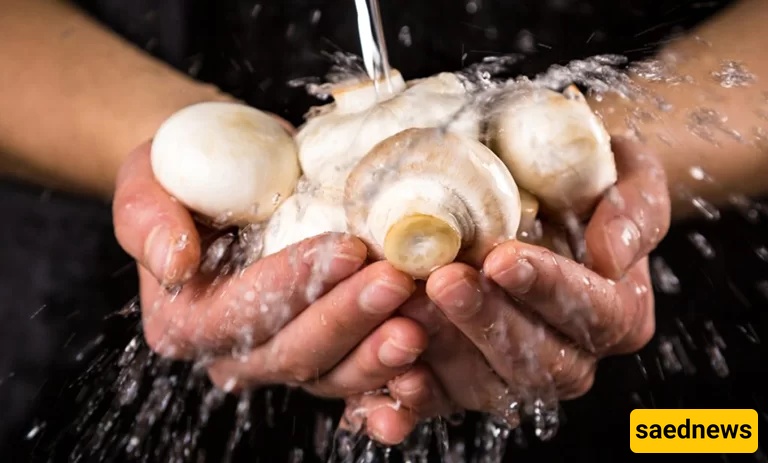
Fresh mushrooms should have a clean, even, and healthy appearance. Brown spots, dark areas, cracks, or a wilted appearance can indicate that the mushrooms are old or have been stored for too long. Yellow or brown discoloration on the surface is also a sign of reduced quality.
In fresh button mushrooms, the underside of the cap is usually closed, so the gills are not visible. If the cap has opened, the mushroom has developed further and is no longer at its freshest stage. For mushrooms with open caps, the gills should still be light-colored and free of spots.
The stem should feel firm and solid and should remain firmly attached to the cap. A loose stem or one that feels soft can indicate that the mushroom is no longer fresh.
Healthy mushrooms have a mild, pleasant, earthy smell. Any unpleasant, sour, or strong odor is a warning sign that the mushrooms may have spoiled and should not be eaten.
When buying packaged mushrooms, always check the expiration date on the label. You should also make sure the package has the required health and production authorization to ensure that the product has been properly approved.
At traditional markets, mushrooms should be displayed at a cool temperature, preferably close to refrigeration conditions. If mushrooms are sitting in a warm environment without adequate cooling, it is better to avoid purchasing them.
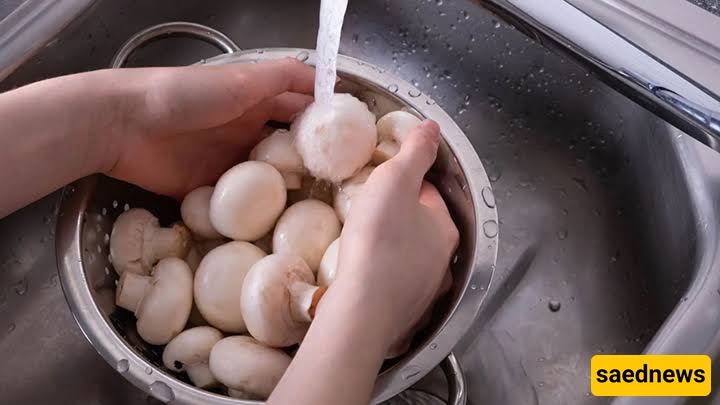
Washing mushrooms is one of the most debated topics in cooking. Some people believe mushrooms should never be washed with water, while others soak them for a long time. Neither approach is ideal. The better method is to clean mushrooms quickly while minimizing their exposure to water.
Mushrooms can absorb water quickly. If you wash them well in advance and then store them, excess moisture can make them soft, slimy, and more likely to spoil.
For the best results, wash mushrooms only a few minutes before cooking or eating them raw.
Soaking mushrooms in water for an extended period is one of the most common preparation mistakes. Prolonged exposure to water can make their texture less pleasant and can interfere with browning during cooking.
Mushrooms should therefore be cleaned quickly, with as little unnecessary contact with water as possible.
To clean mushrooms properly, first remove any damaged portions and trim the ends of the stems if necessary.
Place the mushrooms briefly under cool running water and gently rub them with your hands or use a soft brush to remove dirt and debris from the surface.
Avoid using hot water, as excessive heat can damage the delicate texture of mushrooms.
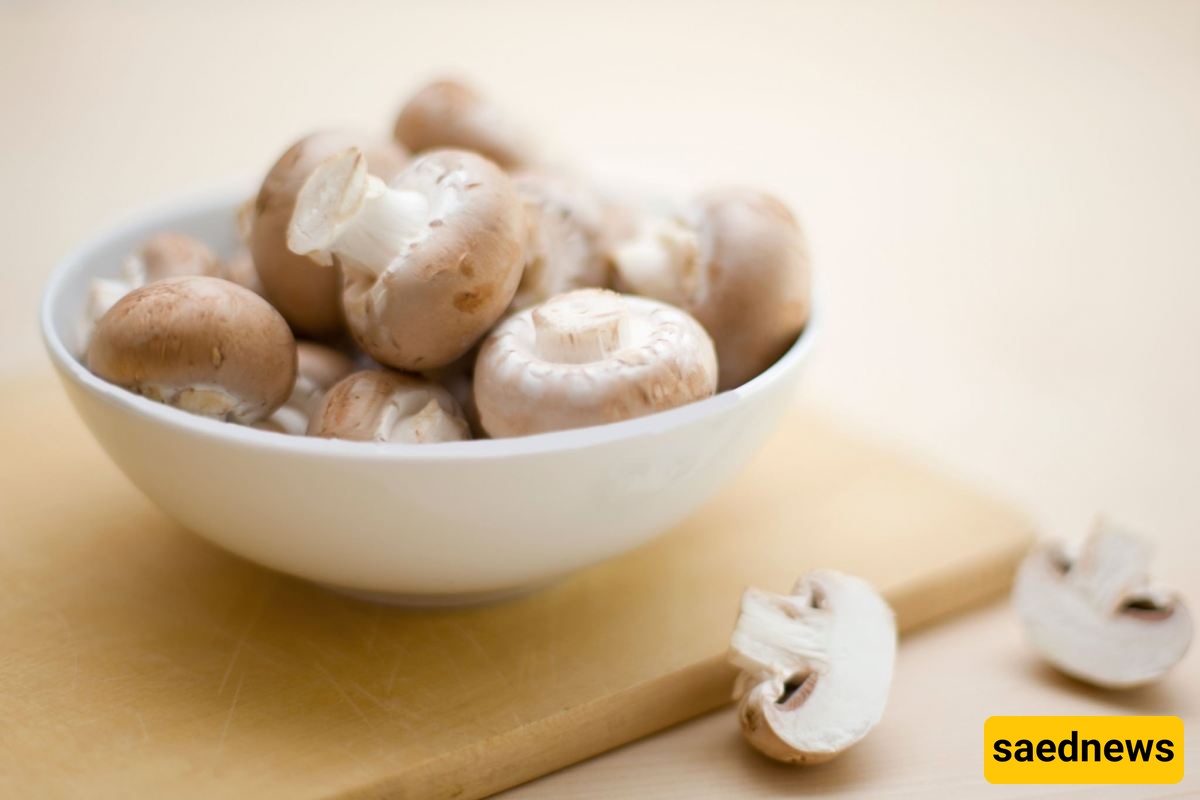
After washing, place the mushrooms immediately on a clean kitchen towel or paper towel and gently pat them dry.
The drier the mushrooms are before cooking, the better they will brown when sautéed, roasted, or grilled. Excess surface moisture can cause mushrooms to release too much water and become soft instead of nicely browned.
If the mushrooms are already relatively clean and only have minor surface dirt, you can wipe them with a slightly damp soft cloth or use a mushroom brush.
This method minimizes contact with water and can help preserve the mushrooms' natural texture.
The thin outer layer of a mushroom does not normally need to be removed. Peeling mushrooms creates unnecessary preparation work and removes part of the edible surface.
Simply clean the mushrooms thoroughly and use them whole, including the outer skin.
Proper storage after purchase is essential for keeping mushrooms fresh and maintaining their quality. Common mistakes, such as storing mushrooms in sealed plastic bags or washing them before refrigeration, can significantly shorten their shelf life.
If you are not planning to use the mushrooms immediately, do not wash them before storing them in the refrigerator.
Excess moisture encourages deterioration and can contribute to mold growth.
Instead of placing mushrooms in a plastic bag, store them in a paper bag. Paper can absorb excess moisture while allowing some airflow around the mushrooms.
If you do not have a paper bag, you can place the mushrooms in a loosely covered or open container lined with a clean paper towel.
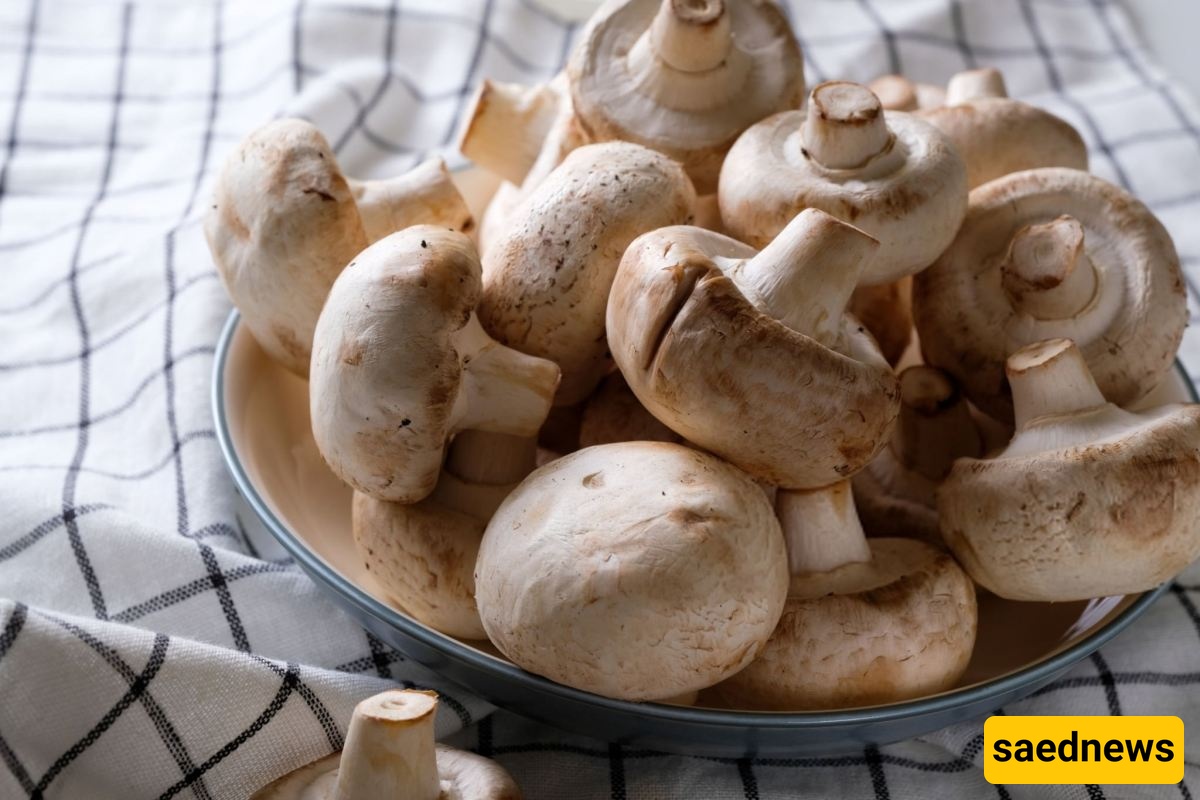
A cool refrigerator is the best environment for storing fresh mushrooms. A temperature of around 1–3°C (34–37°F), close to 0°C (32°F), is generally suitable.
The refrigerator's vegetable drawer can be a convenient place to keep them. Under good storage conditions, mushrooms may remain fresh for approximately 7–10 days.
Although mushrooms can sometimes remain usable for up to about 10 days under ideal conditions, their quality is usually best when they are consumed within a few days of purchase.
The fresher the mushrooms, the better their flavor, texture, and overall quality.
For longer storage, mushrooms can be frozen. First, clean them quickly and dry them thoroughly. If desired, slice them into thin pieces.
Spread the mushrooms in a single layer on a tray and freeze them separately. Once frozen, transfer them to a suitable freezer bag or airtight container.
Frozen mushrooms can generally be kept for up to about six months. However, their texture changes after freezing, so they are best used in cooked dishes rather than eaten raw.
Fresh mushrooms require relatively little preparation. The key is to minimize unnecessary moisture, avoid prolonged soaking, dry them thoroughly before cooking, and store them correctly.
By choosing firm, fresh mushrooms and handling them carefully from the moment you buy them to the moment you cook them, you can preserve their natural flavor, texture, and quality while getting the most out of this versatile ingredient.