SAEDNEWS: Italian-style interior design is known for its luxurious materials, dramatic details and unmistakable sense of grandeur. From traditional gold accents and marble to cleaner modern interpretations, discover the defining features that continue to make this style so distinctive.
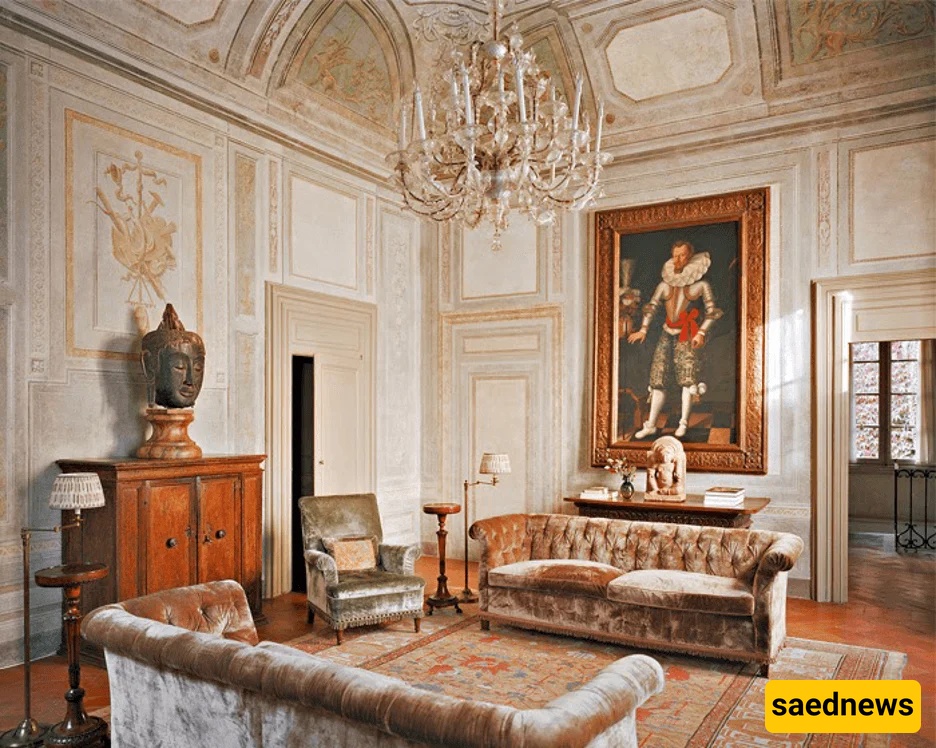
According to SaedNews: Italian-style interior design has long been associated with luxury, elegance and a strong sense of visual drama. Its appeal comes from the way expensive-looking materials, elaborate architectural details and carefully selected decorative pieces work together to create an interior that feels distinctly grand.
At the heart of the traditional approach is a preference for high-quality, luxurious furnishings. Ornate furniture, marble surfaces and gold-colored details are among the elements most closely associated with the style. Sculptures, decorative accessories and valuable-looking objects also play an important role, adding visual richness to rooms and reinforcing the impression of sophistication.
One of the most recognizable features is the use of gold. In Italian-inspired interiors, gold is not limited to a single decorative object. It can appear across furniture, curtains, accessories, sculptures, antiques, chandeliers and even decorative plasterwork on ceilings.
That extensive use of gold helps explain why Italian-style interiors can feel so theatrical. Rather than treating decoration as an afterthought, the style often makes ornamentation part of the architecture itself.
Ceilings and walls can feature elaborate plasterwork, giving rooms a more formal and regal appearance. Black, white and gold are particularly prominent in this aesthetic, creating a palette that combines contrast with luxury.
Windows are another important part of the look. Tall, full-height windows can be paired with heavy, formal curtains, particularly in white and gold. In some interiors, red curtains may also be introduced for a stronger sense of grandeur and drama. Ultimately, the exact combination depends on the homeowner's taste.
Gold has remained one of the defining colors of Italian-style decoration. Its role extends far beyond furniture. It can be incorporated into mirrors, bathroom furnishings, decorative pieces, lighting fixtures and ceiling details.
Even bathrooms can reflect the same luxurious philosophy. White-and-gold combinations, decorative mirrors and gold-colored fixtures contribute to an overall design in which luxury is intended to be visible throughout the home rather than concentrated in one room.
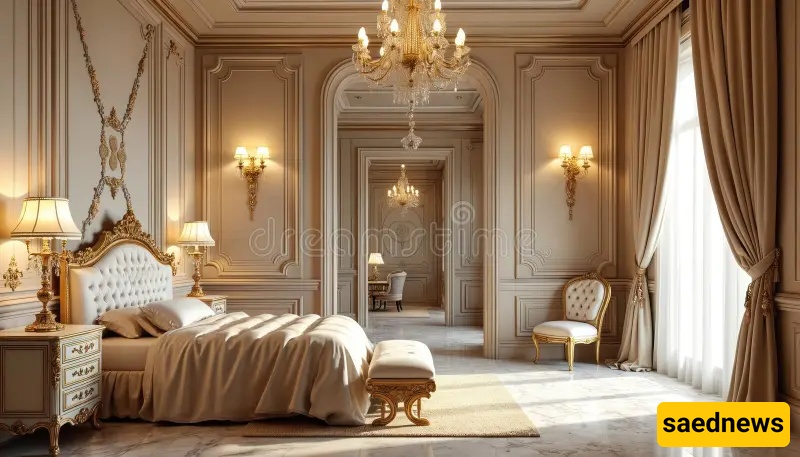
The traditional version of Italian decor takes this concept even further.
In older interpretations of the style, large and highly noticeable chandeliers were often positioned as major focal points beneath elaborately decorated ceilings. The surrounding plasterwork could be just as visually striking as the lighting itself. Chandeliers were also an important source of illumination, making them both functional and decorative features.
Traditional Italian-inspired interiors also favored bright, open-looking colors and used valuable antiques, paintings and decorative carpets to fill otherwise plain walls. The result was a highly decorated environment in which almost every major surface could become part of the visual story.
But Italian design has not remained frozen in the past.
Contemporary interpretations have moved toward a more restrained form of luxury. People who appreciate Italian-inspired interiors today may want the elegance associated with the style without making the home feel overwhelmingly crowded.
Modern Italian decor therefore tends to favor pieces that are simpler in appearance while remaining sophisticated and valuable-looking. The goal is not necessarily to eliminate luxury, but to make it more controlled.
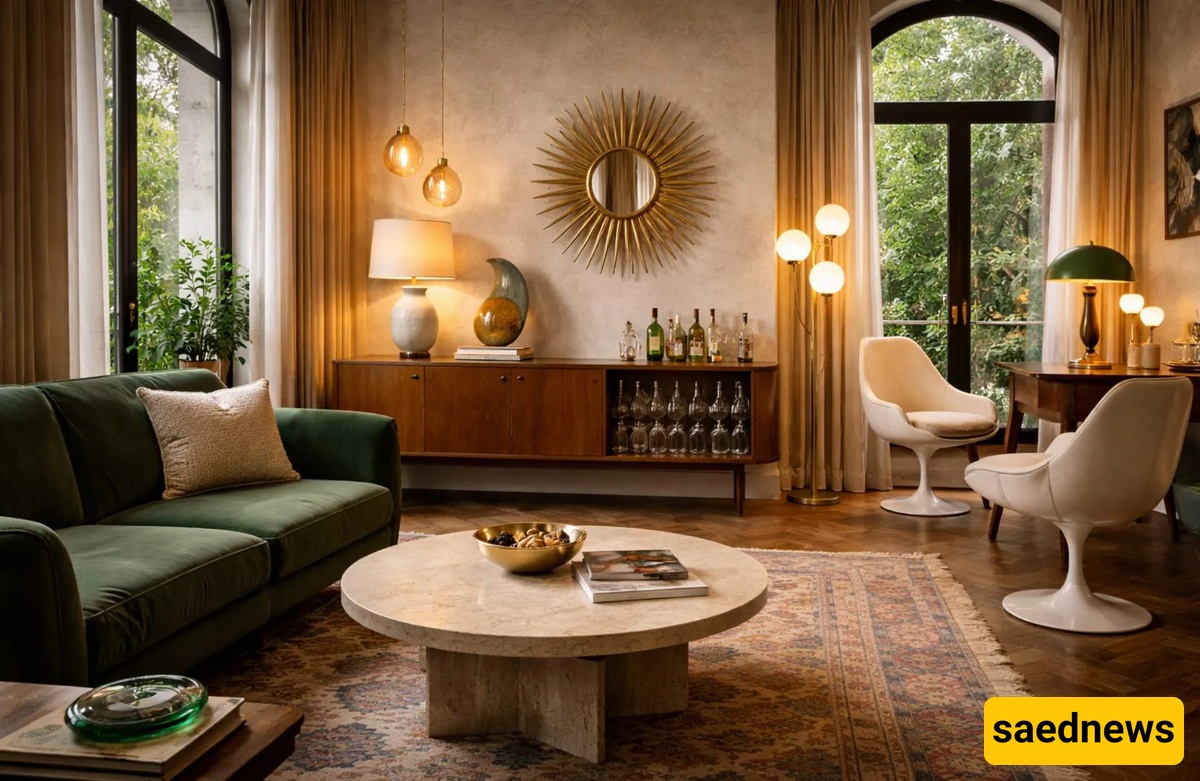
Lighting provides a clear example of this shift. Instead of enormous traditional chandeliers, modern interiors can use medium-sized crystal fixtures that retain a sense of refinement without dominating the entire room.
Silk rugs can also contribute to the polished appearance of the space, while carefully chosen sculptures and accessories add personality without creating excessive visual clutter.
This distinction between old and modern Italian style is important. Traditional interiors celebrate abundance: elaborate ceilings, large chandeliers, antiques, paintings and rich decorative details all compete for attention. The contemporary interpretation is more selective, allowing individual pieces to stand out.
Yet both approaches share the same underlying idea: quality matters.
Italian-style decoration is ultimately about creating a home where materials, furniture, lighting and decorative objects feel intentionally chosen. Whether the result is an elaborate traditional interior filled with gold and ornament or a cleaner modern space built around elegant statement pieces, the style remains closely connected with sophistication and luxury.
That may be the reason Italian-inspired interiors continue to attract attention. The aesthetic can change with the times, but its central attraction—turning the home into a carefully designed expression of elegance—remains remarkably consistent.
For homeowners considering this look, the biggest choice may not be whether to embrace Italian style, but which version fits their personality: the dramatic grandeur of the traditional approach or the quieter sophistication of its modern counterpart.