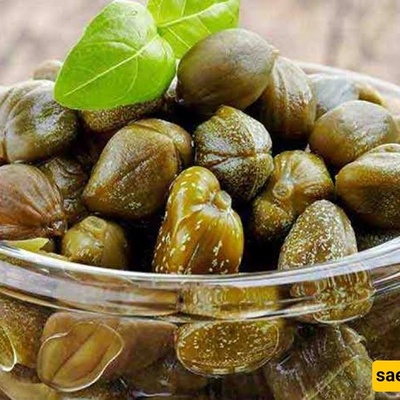
SAEDNEWS: Herbal teas such as chamomile and lavender may naturally help reduce stress and regulate heart rate.
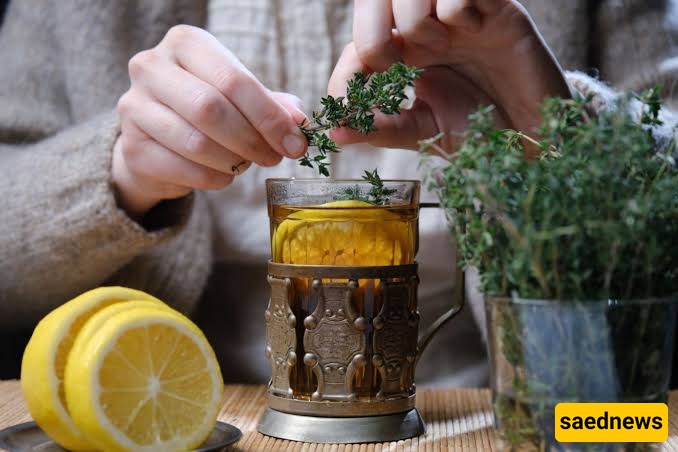
According to Saednews, Heart palpitations and stress are two experiences that often go hand in hand. In today’s busy world, many people experience sudden heart palpitations and feelings of anxiety due to work pressure, everyday worries, or personal difficulties.
These symptoms can affect quality of life and, in some cases, may also be associated with underlying health conditions. Alongside appropriate medical care and professional counseling, herbal teas are often used as a natural and relaxing way to support stress management.
But which herbal teas are commonly used for stress and occasional palpitations? This article explores several popular herbal teas and their potential role in promoting relaxation and supporting a calmer heartbeat.

Before looking at specific herbal teas, it is important to understand how stress can affect the heart.
When you are under stress, your body releases hormones such as adrenaline and cortisol. These hormones can increase heart rate and constrict blood vessels, preparing the body for the “fight-or-flight” response.
This reaction is normal and useful in short-term stressful situations. However, ongoing stress may contribute to frequent palpitations, elevated blood pressure, sleep problems, and other health concerns.
Some herbal teas contain compounds traditionally associated with relaxation and stress relief. They may help create a calming routine, although they should not be considered a substitute for medical evaluation or treatment.
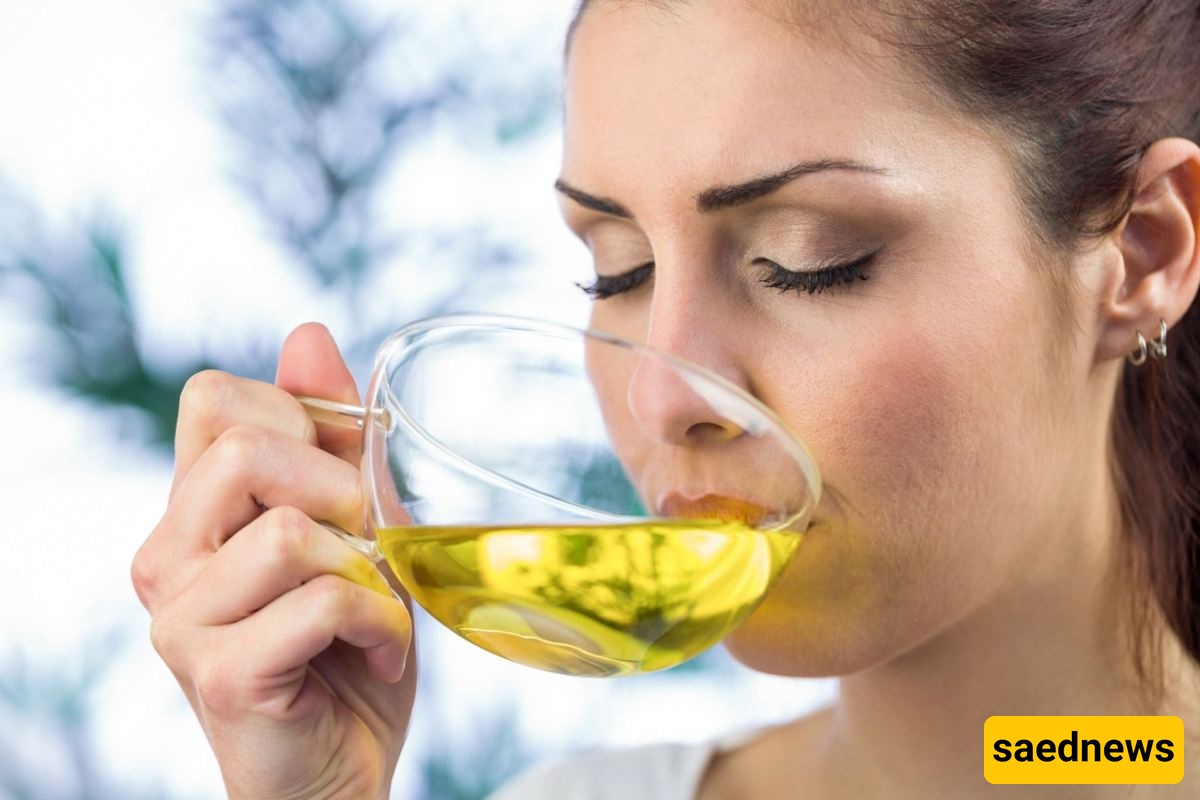
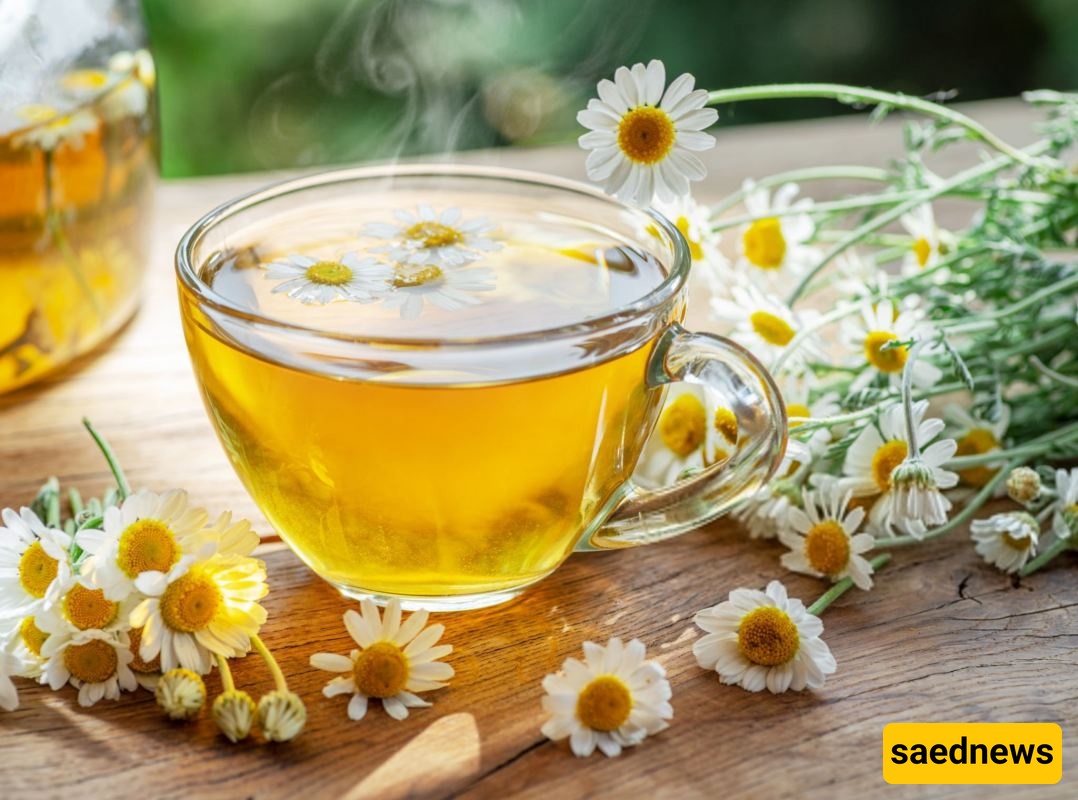
Chamomile is one of the best-known herbs traditionally used to promote relaxation. It contains flavonoids such as apigenin, which may interact with receptors in the brain associated with relaxation and anxiety.
Potential benefits include:
Promoting relaxation and reducing feelings of stress
Supporting healthy sleep
Helping the body unwind after a stressful day
Potentially reducing some physical symptoms associated with anxiety
How to prepare it: Add about one teaspoon of dried chamomile flowers to a cup of hot water and steep for 5–10 minutes.
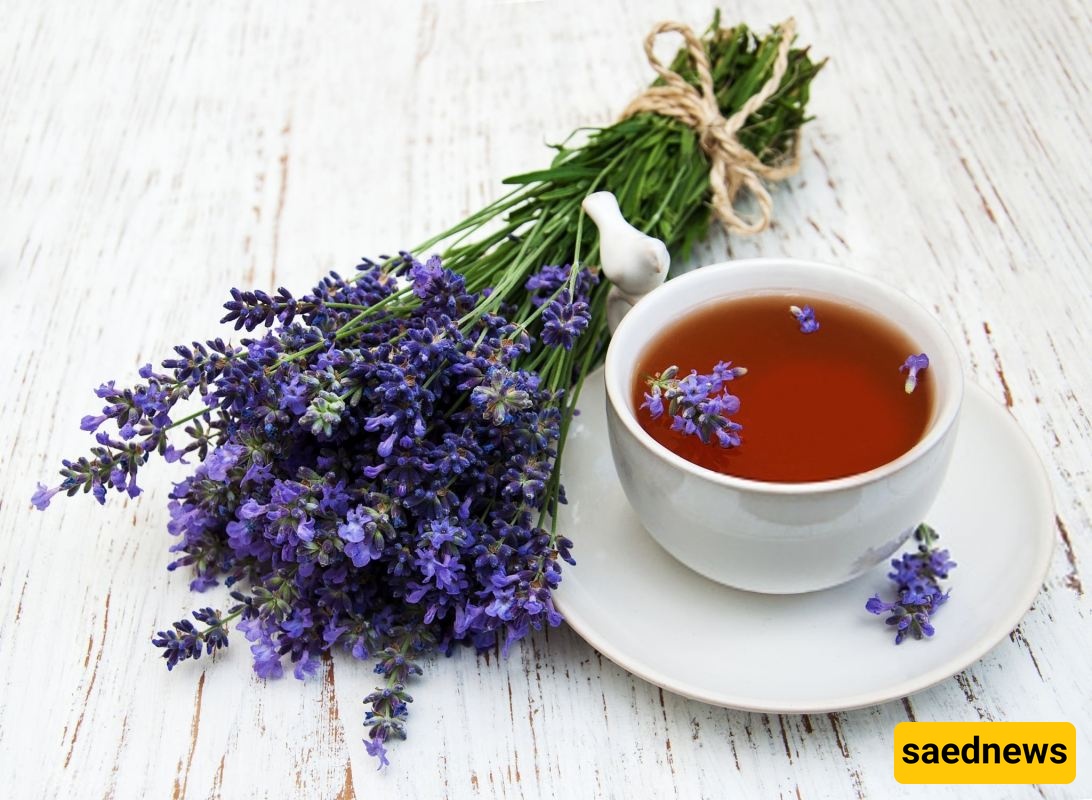
Lavender is well known for its pleasant aroma and traditional use as a calming herb. Its naturally occurring compounds, including linalool and linalyl acetate, have been studied for their potential relaxing effects.
Potential benefits include:
Promoting relaxation in people experiencing stress
Supporting better sleep
Helping reduce feelings of restlessness
Creating a calming bedtime routine
Lavender tea generally does not need a long steeping time. Around 2–3 minutes may be sufficient, depending on the preparation.
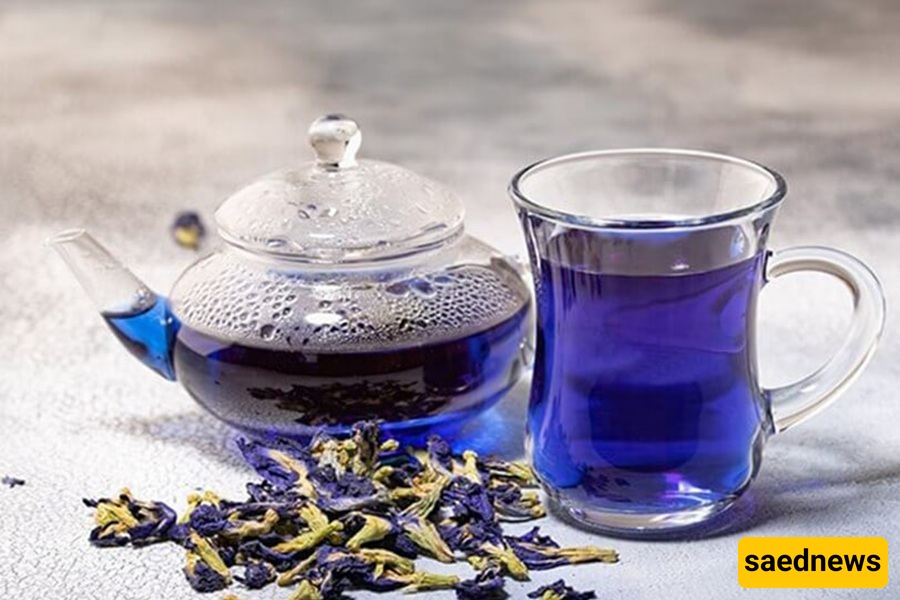
The combination of borage and valerian is traditionally used in Iranian herbal medicine as a calming preparation. Valerian has been studied for its potential effects on relaxation and sleep and may influence the activity of gamma-aminobutyric acid (GABA), a neurotransmitter involved in nervous-system regulation.
Borage has also been traditionally used in herbal preparations for relaxation and general well-being.
Why is this combination popular?
Valerian may support relaxation and sleep
Both herbs have a long history of traditional use
The combination may be particularly appealing as an evening herbal drink
Important: Valerian can cause drowsiness and may interact with sedatives and other medications. Avoid driving or operating machinery if it makes you sleepy. Long-term use should be discussed with a healthcare professional.
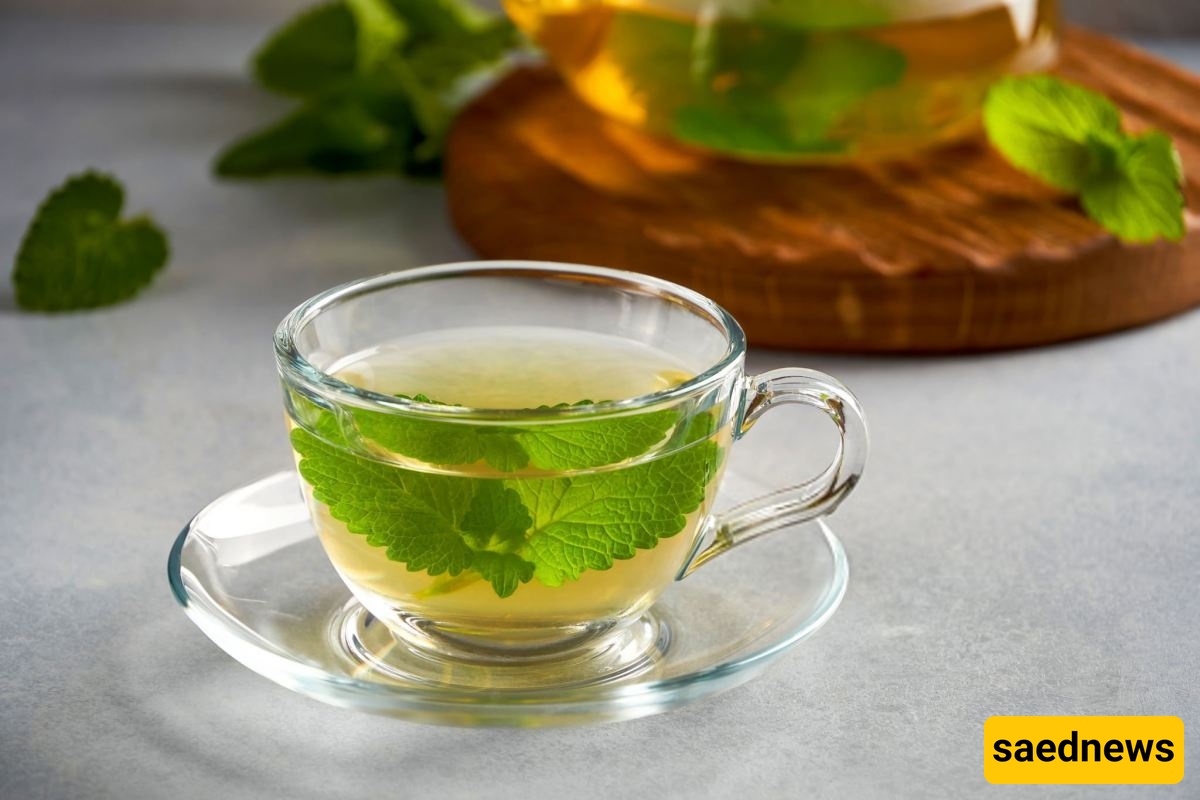
Lemon balm, a member of the mint family, is another popular herb traditionally used for stress and relaxation. Research has examined its potential effects on mood, anxiety, sleep, and cognitive performance during stressful situations.
Potential benefits include:
Supporting relaxation
Helping ease some physical symptoms of stress
Supporting a calmer mood
Making a soothing bedtime beverage
How to prepare it: Steep fresh or dried lemon balm leaves in hot water for approximately 7–10 minutes. A cup in the evening may be a relaxing addition to a bedtime routine.
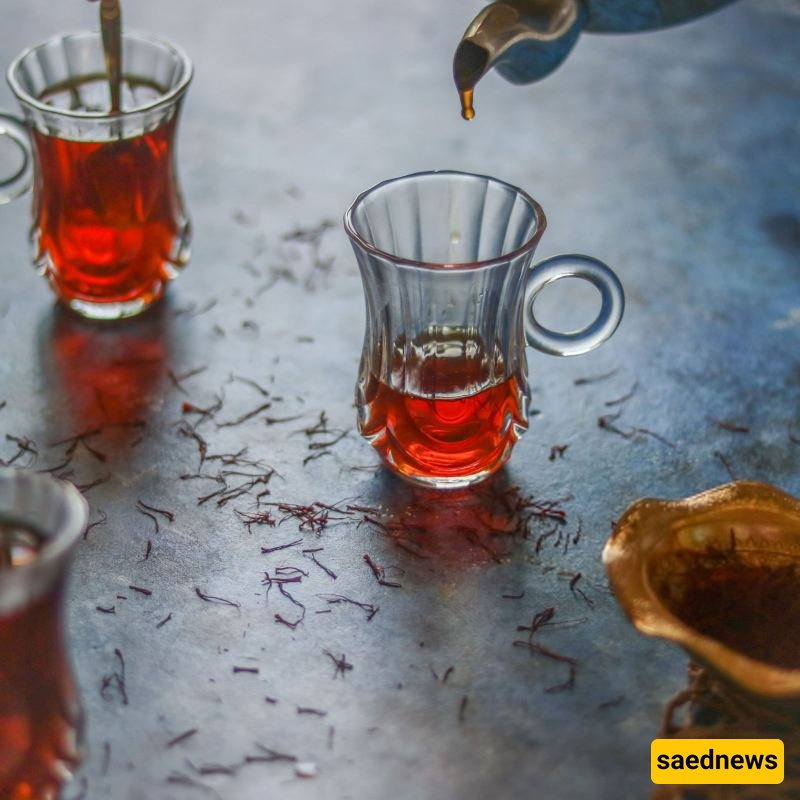
Saffron is a valuable spice that has attracted scientific interest because of its potential mood-supporting and antioxidant properties. Compounds such as crocin and safranal are among the substances being studied for their possible effects on mood and nervous-system function.
Potential benefits include:
Supporting emotional well-being
Providing antioxidant compounds
Potentially supporting cardiovascular health as part of an overall healthy lifestyle
Only a small amount is needed to prepare saffron tea. Excessive saffron consumption can be harmful, so concentrated or high-dose use should be avoided.
Peppermint is particularly well known for its use in digestive discomfort, but its refreshing aroma and menthol content can also make it a pleasant choice when you want to relax.
Potential benefits include:
Helping create a refreshing and calming experience
Supporting comfortable breathing
Providing a cooling sensation
Potentially helping with tension-related discomfort
Peppermint tea can be especially appealing during periods of physical or mental fatigue.
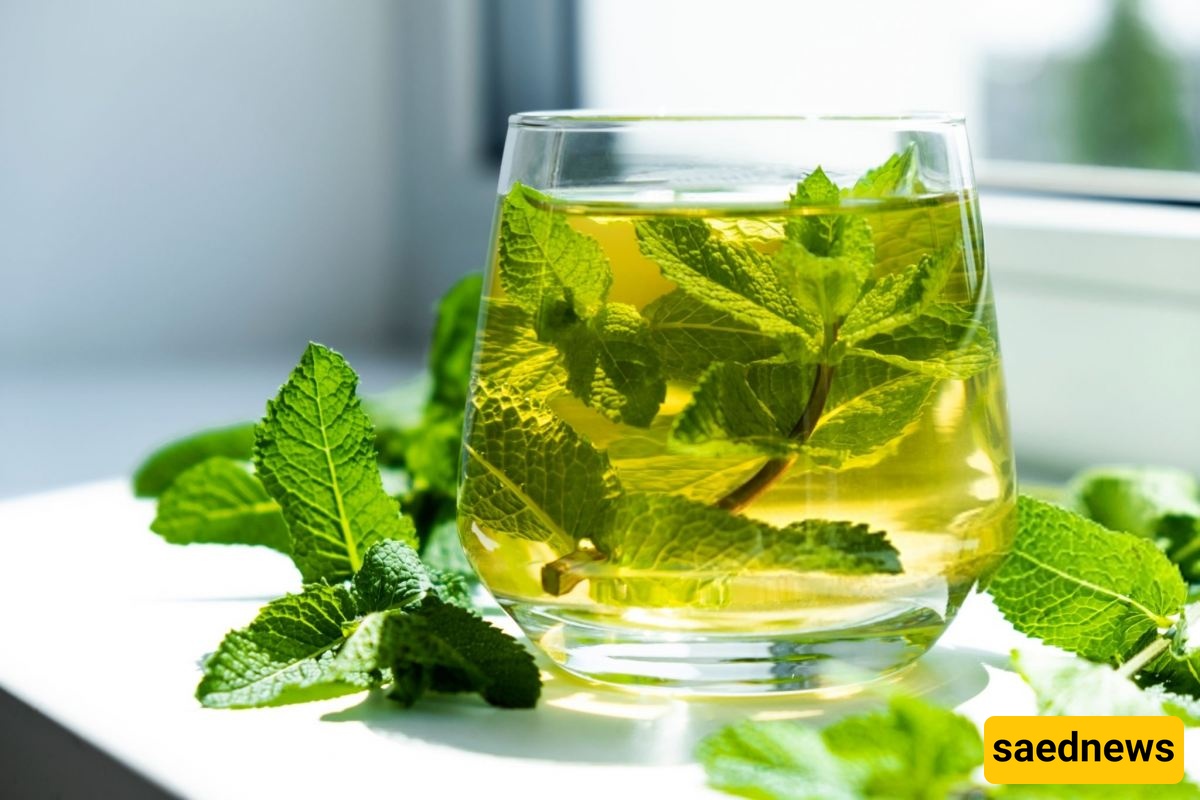
Some people prefer combining several herbs to create a more complex flavor and relaxing experience.
Examples include:
Relaxing blend: Chamomile + lemon balm + borage
Evening blend: Valerian + lavender + peppermint
Bedtime blend: Chamomile + lavender + a small amount of saffron
When combining herbs, remember that their effects and potential interactions can also combine. Start with small amounts and seek professional advice if you regularly take medication.
Heart palpitations should not automatically be attributed to stress. If they are severe, persistent, or occur with chest pain, shortness of breath, fainting, severe dizziness, or other concerning symptoms, seek medical attention promptly.
Herbal teas are not a replacement for medical diagnosis or treatment.
Some herbs, including valerian and borage, may interact with medications such as sedatives, antidepressants, or blood-pressure medicines. If you take prescription or regular medication, consult a healthcare professional before using herbal preparations routinely.
Not every herbal tea is appropriate during pregnancy or breastfeeding. Safety varies by herb, dose, and individual circumstances. In particular, valerian and borage should not be used during these periods without professional medical advice.
Choose reputable, properly stored herbs from reliable sources. Poor-quality or incorrectly identified herbs may have reduced quality or could potentially be unsafe.
Natural products are not automatically risk-free. If you plan to consume a medicinal herbal preparation regularly or for an extended period, discuss it with a qualified healthcare professional.

There is no single herbal tea that works best for everyone experiencing stress or occasional heart palpitations. Chamomile is often a reasonable starting point because it is widely used as a calming tea and is generally well tolerated when consumed appropriately.
For those looking for a stronger evening relaxation routine, valerian-based preparations may be considered, although they require greater attention to possible drowsiness and medication interactions. Lemon balm is another gentle option that can easily be incorporated into a daily relaxation or bedtime routine.
Most importantly, herbal teas work best as part of a broader approach to stress management. Regular physical activity, adequate sleep, balanced nutrition, relaxation techniques, and professional support when needed can all contribute to better overall well-being.
A warm cup of herbal tea can be a simple and comforting part of an evening routine—but persistent or unexplained heart palpitations deserve proper medical attention rather than being treated solely with tea.