SAEDNEWS: Many materials marketed as ceramic, Teflon, and granite cookware are not made from their original substances. Some of these products may contain harmful compounds that can pose health risks, including potential links to cancer and even conditions such as anemia.
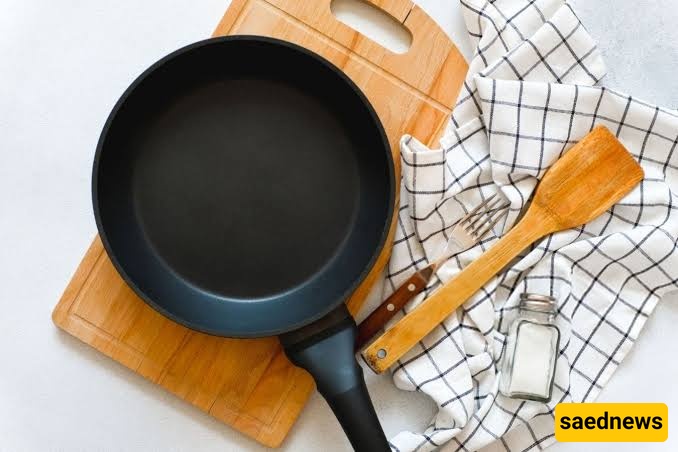
According to Saednews, Teflon non-stick cookware has become a common choice in kitchens worldwide because of its easy cooking experience and simple cleaning process. However, after years of use, the coating can become scratched, peeled, or discolored, reducing the cookware’s performance. At this point, many people consider repairing or recoating their old cookware to avoid the cost of buying new products.
But the important question remains: Is restoring Teflon cookware safe for human health?
Teflon is the brand name for polytetrafluoroethylene (PTFE), a synthetic polymer known for its non-stick properties, chemical resistance, and stability at moderate temperatures. It was discovered in the 1930s by DuPont and later became widely used in kitchen cookware.
However, concerns have been raised regarding its safety:
PTFE begins to break down at temperatures above approximately 260°C (500°F) and may release toxic gases, including perfluoroisobutylene (PFIB) and other fluorinated compounds.
Breathing these fumes can cause a condition known as polymer fume fever, which produces flu-like symptoms such as fever, chills, headache, and respiratory discomfort.
Until 2013, perfluorooctanoic acid (PFOA) was used during some Teflon manufacturing processes. PFOA has been associated with cancer risks and endocrine disruption.
Although PFOA has been removed from modern production, older cookware and improperly restored coatings may still contain related harmful substances.
When Teflon coatings become damaged, small PTFE particles may enter food. These particles are generally not absorbed by the digestive system, but damaged cookware can lose performance and may create concerns when the coating continues to deteriorate.
The restoration process is usually performed by specialized workshops or inexperienced repair shops and generally includes the following steps:
The old Teflon layer is removed using abrasive materials such as sandpaper, blasting methods, or chemical treatments to expose the underlying metal, usually aluminum.
The cookware is cleaned with chemical solvents and dried before applying a new coating.
A new PTFE layer is applied through spraying, dipping, or brushing methods.
The cookware is heated in an industrial oven at approximately 350–450°C (662–842°F) to bond and harden the coating.
The major concern is that many unofficial repair workshops lack proper temperature control equipment and may use low-quality or uncertified coating materials.
The biggest risk of improper restoration is the use of coatings containing PFOA or similar chemicals.
Even if the new coating does not contain PFOA, sanding the old surface may release contaminated particles into the air, exposing workers and consumers.
Poor-quality restored coatings may also have lower heat resistance and could begin breaking down during normal cooking temperatures (around 200–250°C / 392–482°F), releasing harmful compounds such as:
Hydrogen fluoride
Tetrafluoroethylene
Other fluorinated substances
These chemicals may affect the respiratory system and potentially harm organs such as the liver and kidneys.
During restoration, some additives may be used to improve coating adhesion, durability, or color. Poor-quality materials may contain heavy metals such as:
Lead
Cadmium
Mercury
These metals can migrate into food, especially acidic foods such as tomatoes or vinegar-based dishes.
Long-term exposure may contribute to:
Nervous system damage
Kidney problems
Increased cancer risk
Restored coatings often have weaker adhesion compared with factory-made cookware. After repeated use, the coating may peel or flake.
Larger coating fragments may create physical irritation in the digestive system if swallowed.
If the restoration process is not performed under proper hygienic conditions, bacteria or fungi may become trapped beneath the new coating.
These microorganisms can multiply in warm environments and potentially contaminate food.
U.S. Food and Drug Administration (FDA): Damaged non-stick cookware should generally be replaced rather than repaired, especially when the coating is scratched or deteriorated.
Environmental Protection Agency (EPA): Improper handling of fluorinated coatings may contribute to chemical exposure and environmental contamination.
World Health Organization (WHO): PTFE itself is not considered directly carcinogenic when used properly, but concerns remain regarding exposure to related compounds such as PFOA.
Nutrition and toxicology experts: Many specialists recommend replacing damaged non-stick cookware instead of restoring it.
The safety level depends on several factors:
Certified, PFOA-free coatings from reliable manufacturers reduce potential risks.
Professional curing ovens with accurate temperature and time control are necessary for proper coating performance.
Each restoration requires removing the previous coating, which can gradually weaken the cookware body and increase the risk of damage.
Using restored cookware at very high temperatures or with acidic foods may increase potential risks.
If you suspect your cookware has been recoated, look for these signs:
Uneven surface texture with bumps or depressions
Irregular color patterns
Chemical or burnt plastic smell during first heating
Coating peeling after only a few uses
Missing manufacturer logo, model number, or production details
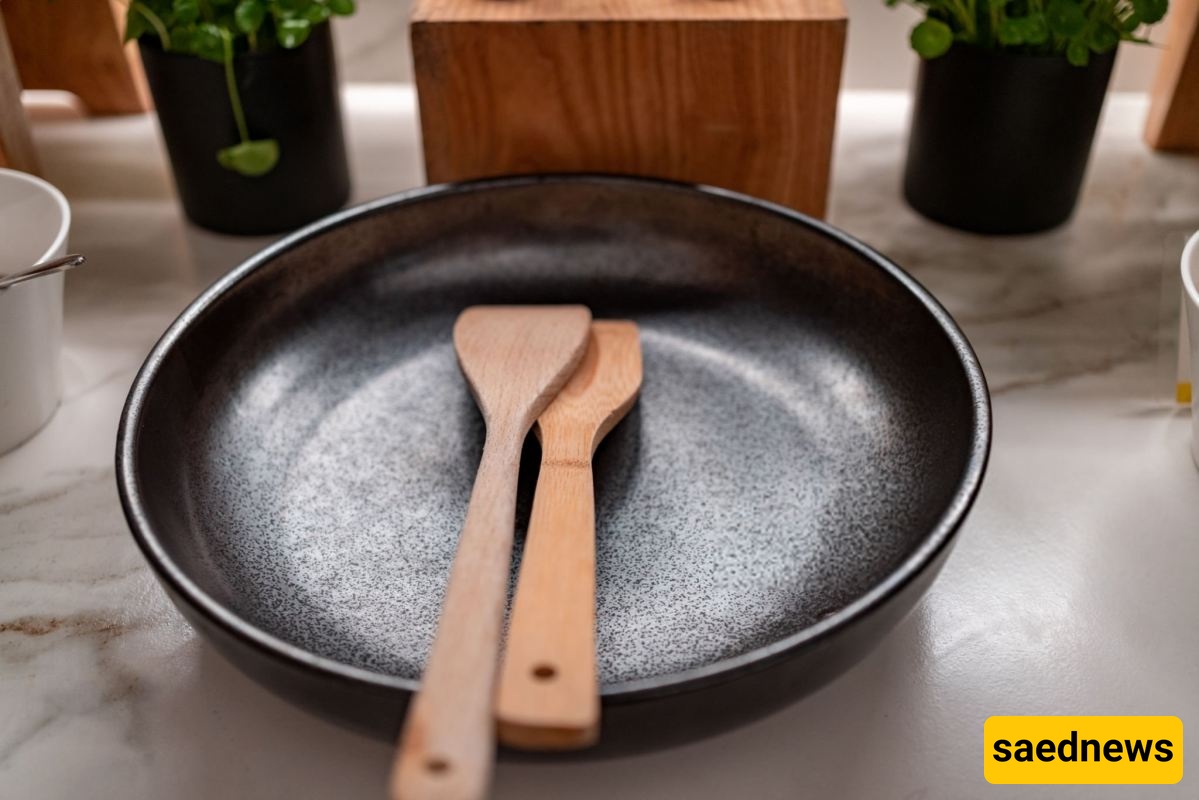
Instead of restoring damaged cookware, replacing it with a new, certified product is generally the safer option.
Recommended alternatives include:
Free from PTFE and PFOA
Good non-stick performance
Heat resistant up to around 400°C
Highly durable
Chemically stable
Safe for long-term use when properly handled
Develops a natural non-stick surface after proper seasoning
Extremely durable
Uses a glass-like coating over metal
Does not require synthetic non-stick chemicals
Features a strong oxidized surface layer
Provides improved durability and moderate non-stick properties
Avoid restoring damaged Teflon cookware unless it is handled by a certified and trustworthy manufacturer.
Replace heavily scratched or peeling non-stick cookware.
Choose new cookware labeled “PFOA-free.”
Cook with medium or low heat when using non-stick pans.
Use wooden or silicone utensils to prevent scratches.
Avoid overheating empty non-stick cookware.
Restoring Teflon cookware, especially through informal workshops or unknown processes, may pose health concerns due to uncertain materials, poor quality control, and possible chemical contamination.
Potential risks include exposure to:
PFOA-related compounds
Heavy metals
Toxic fumes
Unstable coating particles
Health experts generally recommend replacing damaged non-stick cookware rather than restoring it.
Choosing a new, high-quality cookware option—especially ceramic, stainless steel, or cast iron—is a safer long-term investment for protecting your health and your family.
Saving money is important, but no financial benefit is worth compromising your health.