SAEDNEWS: Bird poisoning often occurs accidentally, and its effects are usually less severe than other diseases. However, in our country, limited knowledge and inadequate diagnostic facilities can lead to major losses.
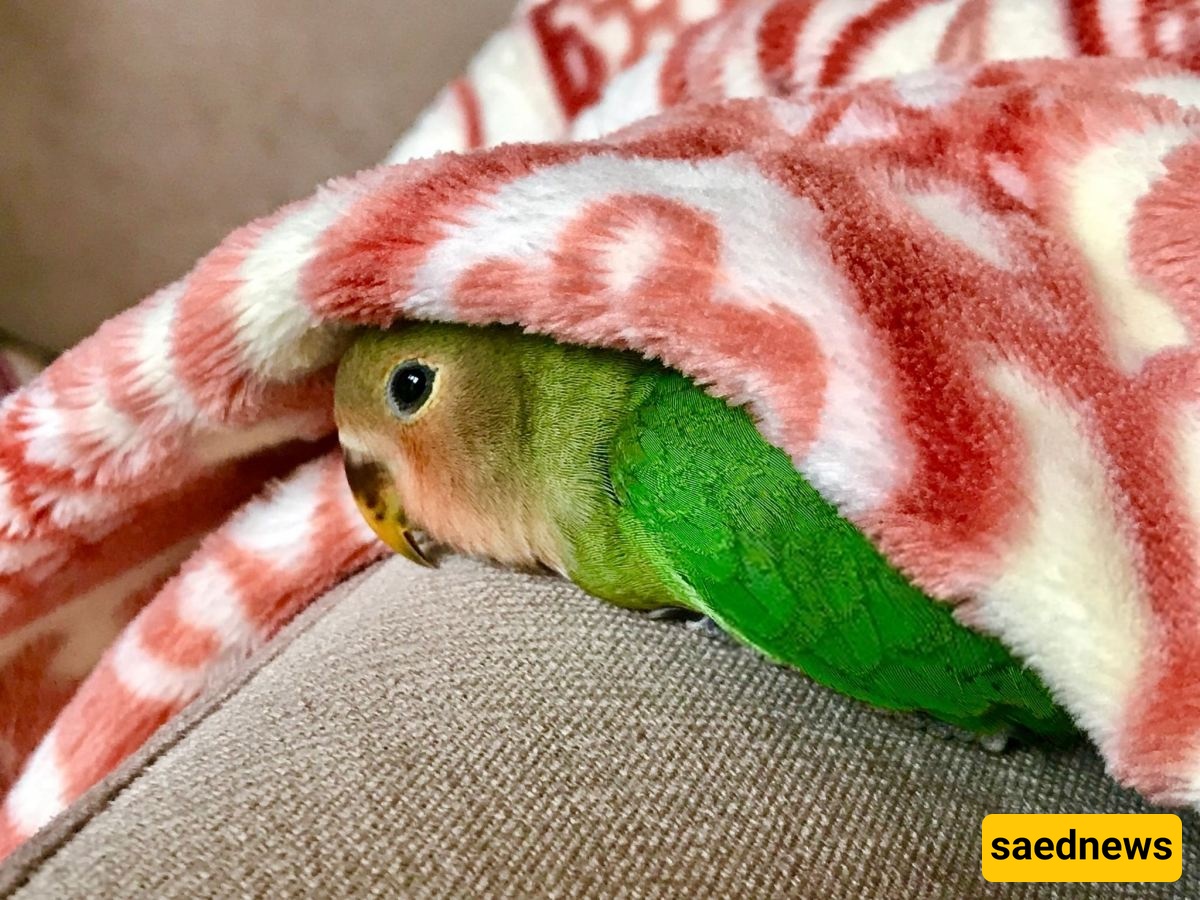
According to Saednews, Birds are social creatures, and many people allow them to share mealtimes with their families. While this interaction can be enjoyable and may positively affect a bird’s mood, many common human foods can be harmful or even fatal to birds. Bird owners should know which foods are safe and which ones may put their pets at risk.
Chocolate may be a delicious treat for humans, but it can be dangerous for birds and may even cause death. Chocolate poisoning initially affects a bird’s digestive system, causing symptoms such as diarrhea and vomiting. If the poisoning continues, the central nervous system can be affected, leading to seizures and eventually death.
Like other fruits with pits and seeds, including cherries, peaches, apricots, and pears, apple seeds contain small amounts of cyanide. Although the flesh of an apple is generally safe for birds, the skin may contain pesticide residues.
Always wash fruits thoroughly before offering them to your bird and remove all seeds and pits to prevent possible health problems.
Responsible bird owners would never intentionally give alcohol to their pets. However, birds that are allowed to roam freely may accidentally consume alcoholic drinks. Alcohol can interfere with a bird’s body functions and may result in serious illness or death.
All living creatures need a controlled amount of sodium, but excessive salt consumption can cause severe thirst, dehydration, kidney problems, and even death in birds. Therefore, salty foods should be carefully limited in a bird’s diet.
The skin and pit of avocado can cause heart-related problems and serious health issues in birds. Although the exact level of avocado toxicity is still debated, it is safer to avoid giving avocado or avocado-containing products to birds.
Mushrooms can cause digestive problems in birds. In some mushroom species, both the cap and stem may lead to liver failure and other serious complications.
Tomatoes belong to the same plant family as potatoes and contain parts that can be harmful to birds. While ripe tomato flesh may occasionally be offered as a treat, the roots, stems, and leaves of the tomato plant are highly toxic.
Before giving tomato to your bird, wash it properly, cut it into small pieces, and remove all green parts. Due to its acidity, tomato is not the best vegetable choice, and other vegetables may be healthier options.
Caffeinated drinks such as soda, coffee, and tea are popular among humans, but they can be extremely dangerous for birds. Caffeine may affect a bird’s heart function, causing irregular heartbeat, increased heart rate, and even cardiac arrest.
Instead, offer fresh fruit or vegetable-based drinks that are safer and more suitable for a bird’s nutritional needs.
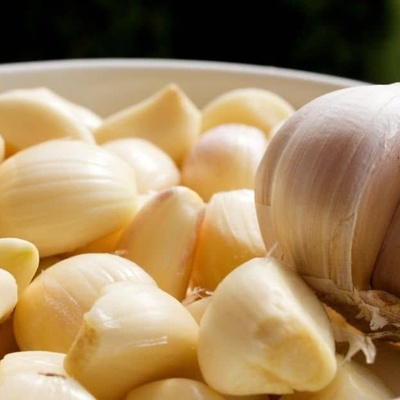
Small amounts of onion or garlic powder used as seasoning may not always cause problems, but large amounts can be dangerous. Excessive onion consumption can lead to diarrhea, vomiting, and digestive issues.
It may also cause blood disorders such as hemolytic anemia, which can result in breathing difficulties and potentially death.
Cooked beans can be a favorite food for many birds, but raw and dried beans are highly dangerous. Raw beans contain a toxin called hemagglutinin, which can be very poisonous to birds.
To prevent poisoning, always cook beans thoroughly before offering them to your bird.
10 Foods That Could Put Your Bird’s Health at Risk
A healthy diet is essential for keeping pet birds safe and active. Avoiding these dangerous foods can help protect your bird from serious illnesses and potentially life-threatening poisoning.