SAEDNEWS: Throughout history, various dangerous events have occurred, and people at those times believed that the world was coming to an end. However, that was not the case. Below, we will mention some of these events.
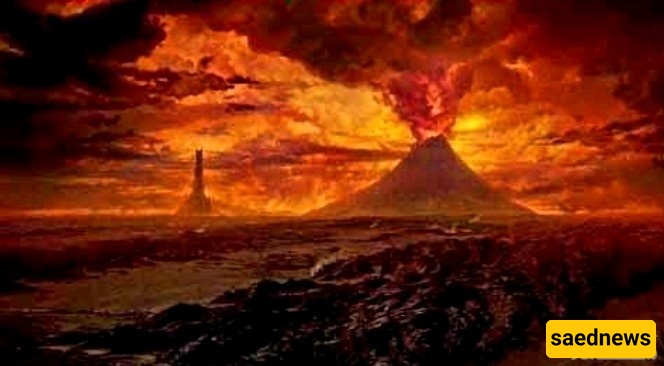
According to Saednews, Throughout history, humans have imagined how the world might end — whether through nuclear war, the spread of a deadly disease, a massive conflict, the disappearance of the Sun, or even a collision with another planet. Many dangerous events have occurred, and people at the time believed they might mark the end of civilization. However, life continued on Earth. Here are some of the most frightening events in history.
In 1918, the deadliest influenza pandemic in history occurred, infecting nearly one-third of the world’s population and killing more than 50 million people. Death could occur only hours after infection. The dangerous virus filled the lungs with fluid, causing victims to suffocate.
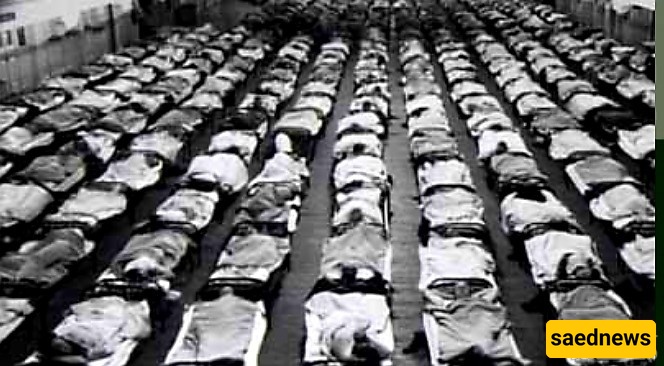
In 2014, a group of researchers created a virus that was 97% similar to the 1918 influenza virus and tested it on mice. The results were alarming: once the virus entered the mice’s bodies, it spread rapidly. Scientists warned that if such a virus appeared again, it could spread across the world like a fire in a dry field and cause enormous destruction.
In the early 1990s, a group of American researchers was studying the Northern Lights phenomenon. During their research, they launched a scientific rocket. However, Russian radar systems mistakenly interpreted the rocket as a possible nuclear attack.
At that time, relations between Russia and the West were tense. The Russian president, Boris Yeltsin, reportedly had only eight minutes to decide whether to respond to the perceived attack. Fortunately, before any decision was made, the rocket fell into the ocean, preventing a potential global disaster.
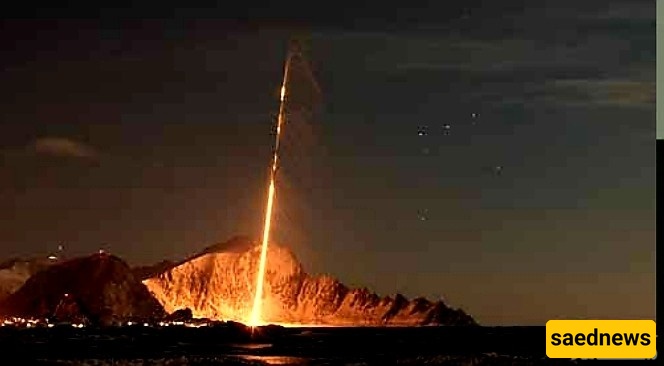
When Mount Tambora in Indonesia erupted in 1815, around 88,000 people died. The eruption released approximately 175 cubic kilometers of rock and volcanic ash.
The explosion caused devastating effects, including tsunamis and powerful storms. Volcanic ash traveled as far as 1,300 kilometers and blocked sunlight from reaching Earth, leading to severe global cooling.
The consequences included famine in North America and widespread disease outbreaks in Europe. Because of these extreme conditions, 1815 became known as “the Year Without a Summer.”
The Black Death in the 14th century killed nearly 75 million people. The plague spread through fleas that lived on rats.
The period between infection and death was sometimes only three days. Victims developed large swellings on their bodies, suffered from fever and bleeding, and eventually died from the illness.
If a similar plague occurred today, the consequences could be catastrophic due to modern global transportation systems and the movement of hundreds of millions of travelers around the world every year.
In 1783, the Laki volcano in Iceland erupted. This was not an ordinary volcanic event; lava and toxic gases continued to spread for eight months, creating serious global consequences.
Sulfuric gases released into the atmosphere lowered global temperatures by about 1.3% for several years. Agricultural production in Europe suffered severe damage, while drought and famine affected regions such as India.
The eruption was linked to millions of deaths over the following years, with estimates reaching around six million people.
In 1859, the most powerful solar storm ever recorded occurred. The explosion released an enormous amount of energy, estimated to be comparable to billions of atomic bombs, creating a massive geomagnetic storm.
The event disrupted telegraph systems around the world. Scientists have warned that if a similar solar storm happened today, the consequences could be far more serious because modern society depends heavily on technology.
Power grids could fail, communication networks and the internet could be disrupted, and essential systems such as banking, transportation, and government services could experience major failures.
Since such a solar storm could reach Earth in only about 20 hours, many experts believe that no country would be fully prepared for the chaos it could create.
Human civilization must understand the dangers posed by asteroid and comet impacts on Earth.
On June 14, 2002, a large object known as MN 2002 was reportedly moving toward Earth at several times the speed of a bullet. It came from behind the Sun, where telescopes could not easily detect it.
Fortunately, its path changed shortly before reaching Earth. If the object had collided with our planet, major cities such as New York and Chicago could have been completely destroyed.
These events show that throughout history, humanity has faced many moments that appeared capable of ending civilization — yet life on Earth has continued.