SAEDNEWS: Creatine is a natural compound produced in the body during protein metabolism. It is also found in certain foods and dietary supplements. Learn what creatine does and how it differs from creatinine.
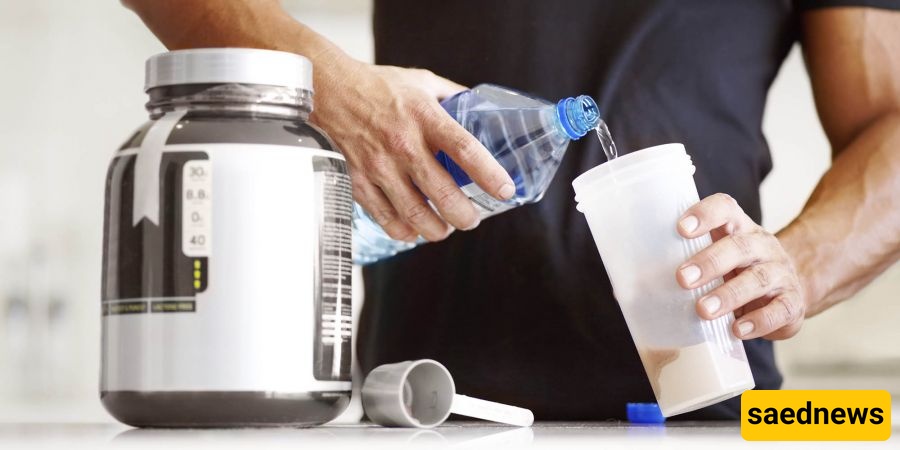
According to Saednews, Creatine is a naturally occurring compound made from three amino acids: arginine, glycine, and methionine. It is produced in the body and is also obtained from foods such as red meat and fish.
Inside the body, creatine is converted into creatine phosphate (phosphocreatine), which serves as a rapid source of stored energy. This energy system is especially important during short, high-intensity activities such as sprinting, jumping, and weightlifting.
Most of the body's creatine is stored in skeletal muscles. For many years, creatine has been one of the most widely used and researched sports supplements.
Creatine phosphate helps regenerate adenosine triphosphate (ATP), the body's primary energy molecule. During explosive exercise, ATP is depleted quickly, and creatine phosphate rapidly restores ATP, allowing muscles to continue producing force.
Because the body's creatine stores are limited, supplementation can increase the amount of creatine available in muscles, potentially improving performance during repeated bouts of high-intensity exercise.
Research suggests that creatine supplementation may provide several performance benefits, including:
Increased muscle strength and power.
Improved performance during short, explosive activities.
Faster recovery of muscle energy between intense training sessions.
Increased lean muscle mass without directly increasing body fat.
Higher anaerobic exercise capacity.
Reduced fatigue during repeated high-intensity exercise.
Enhanced ability to perform repeated sprints or explosive movements.
Some studies have reported that consuming approximately 20 grams of creatine daily for 5–7 days (commonly known as a loading phase) can improve sprint performance by about 1–5% and increase work capacity during repeated high-intensity exercise by as much as 15%.
Longer supplementation over one to two months has also been associated with improvements in:
Speed and power (approximately 5–8%)
Strength (about 5–15%)
Lean body mass (around 1–3%)
However, not every study has found significant improvements, and individual responses to creatine supplementation vary.
Creatine occurs naturally in animal-based foods, especially:
Red meat
Fish
Approximately 1 kilogram of red meat contains about 5 grams of creatine.
Creatine monohydrate is the most common and extensively researched form of creatine. It is used to increase the body's stores of creatine and phosphocreatine, supporting ATP production during intense physical activity.
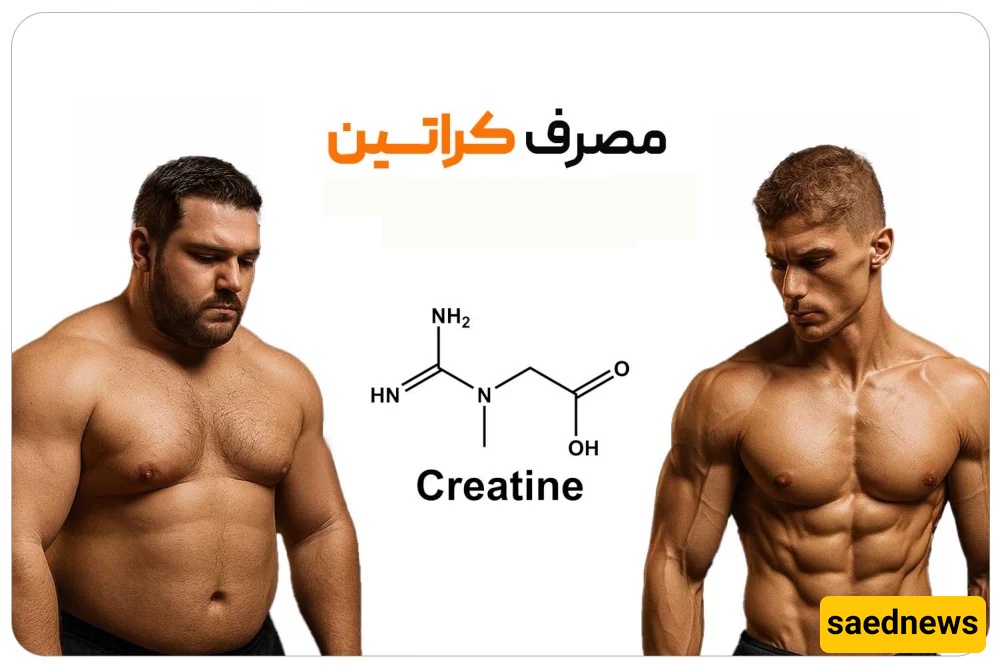
The most commonly reported side effect of creatine supplementation is an increase in body weight, largely due to greater water retention within muscle cells.
Research continues to examine:
Individual differences in response to creatine
Long-term safety
Effects on endurance sports
Possible long-term health outcomes
Current evidence generally supports creatine as a safe supplement for healthy individuals when used as directed.
Although their names are similar, creatine and creatinine are very different substances.
Naturally produced in the body and obtained from food.
Stored primarily in skeletal muscles.
Helps regenerate ATP for rapid energy production.
Commonly used as a sports nutrition supplement.
A waste product formed from the breakdown of creatine.
Produced continuously as muscles use creatine.
Filtered from the blood by the kidneys and excreted in urine.
Blood creatinine levels are commonly measured to evaluate kidney function.
Unlike creatine, creatinine has no performance-enhancing role and serves mainly as a clinical marker of kidney health.
Creatine is relatively unstable in liquid solutions. When left in water or acidic liquids for extended periods, it gradually converts into creatinine.
For this reason, creatine supplements are generally best consumed soon after mixing rather than being left dissolved for long periods, particularly in acidic beverages.
Athletes commonly use creatine to support:
Muscle strength
Explosive power
Sprint performance
High-intensity interval training
Resistance training
Lean muscle growth
Faster recovery between intense exercise sessions
Because creatine helps replenish ATP rapidly, it is particularly effective for sports that require repeated bursts of maximum effort.
Creatine is one of the most thoroughly studied and widely used sports supplements. By increasing muscle creatine stores, it supports rapid ATP regeneration, enhances strength and power, and may improve performance during high-intensity exercise. While creatinine is a natural breakdown product of creatine and an important indicator of kidney function, creatine itself plays a vital role in energy production and athletic performance. Understanding the distinction between these two compounds helps athletes and health-conscious individuals make informed decisions about supplementation and overall health.