SAEDNEWS: Around the world, scientists have observed forests experiencing unusually rapid growth due to rising carbon dioxide levels, climate shifts, and ecological changes, raising concerns about long-term ecosystem stability and carbon balance.

According to SaedNews. forests are often imagined as slow, steady ecosystems—growing quietly over decades, even centuries. But recent scientific observations are revealing something unexpected: in some parts of the world, forests are growing faster than ever recorded in modern ecological history.
And the question scientists are now asking is simple but unsettling—what happens when nature starts growing too fast?
Long-term ecological research networks, including the Smithsonian Forest Global Earth Observatory (ForestGEO), NASA Earth science programs, and studies published in journals such as Nature and Science, have tracked forest growth across continents for decades.
What they found is surprising: many tropical and temperate forests are showing increased biomass accumulation, meaning trees are growing thicker, taller, and faster than in previous decades.
But why would forests suddenly accelerate their growth after millions of years of stability?
One of the most studied regions is the Amazon Basin, where research teams from Brazil’s National Institute for Amazonian Research (INPA) and the University of Leeds have documented increases in tree growth rates in some regions.
In long-term forest plots monitored by ForestGEO, scientists measured tree diameter changes across thousands of individual trees over multiple decades. The results showed that elevated atmospheric carbon dioxide (CO₂) may be acting like a fertilizer, boosting photosynthesis in many species.
But here’s the strange part—why doesn’t this benefit last forever?
Because alongside faster growth, researchers are also detecting higher tree mortality rates in certain areas, suggesting a fragile balance beneath the surface.
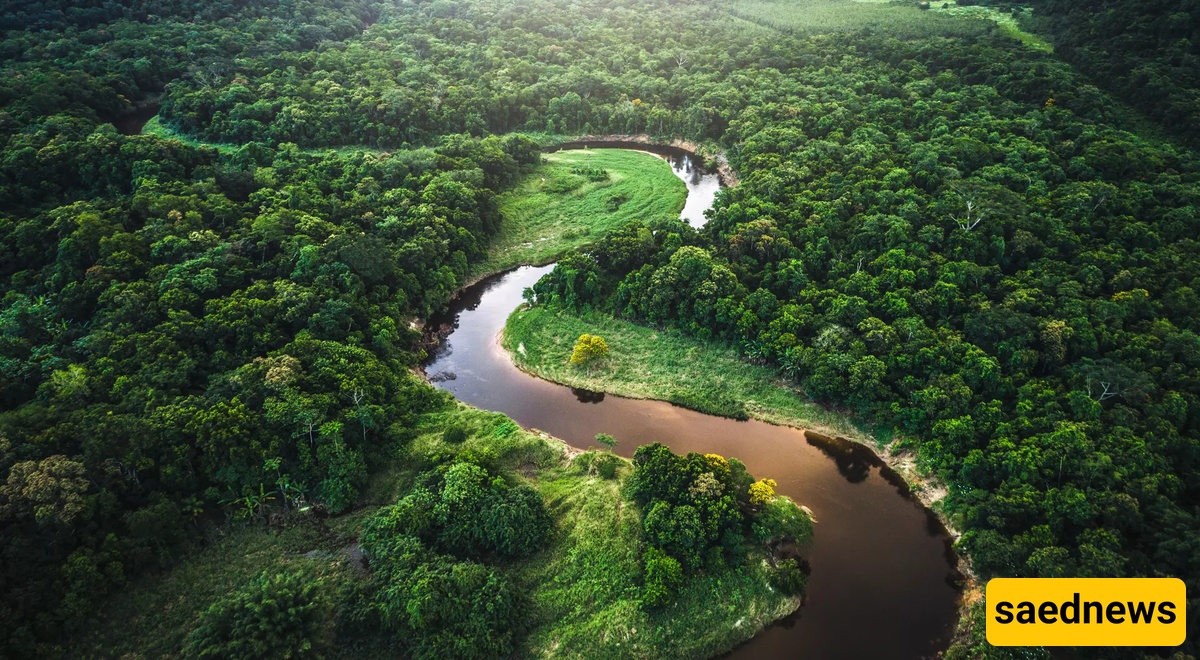
In temperate forests across Europe, including long-term study sites in Germany, France, and Finland, researchers from institutions like the Max Planck Institute for Biogeochemistry have recorded increased forest productivity.
Using satellite-based measurements combined with ground-based tree ring data, scientists found that warmer temperatures and longer growing seasons are contributing to faster biomass accumulation.
But could this rapid growth hide future instability?
Some models suggest that faster growth may also lead to faster ecosystem turnover, meaning forests could age and die more quickly than before.
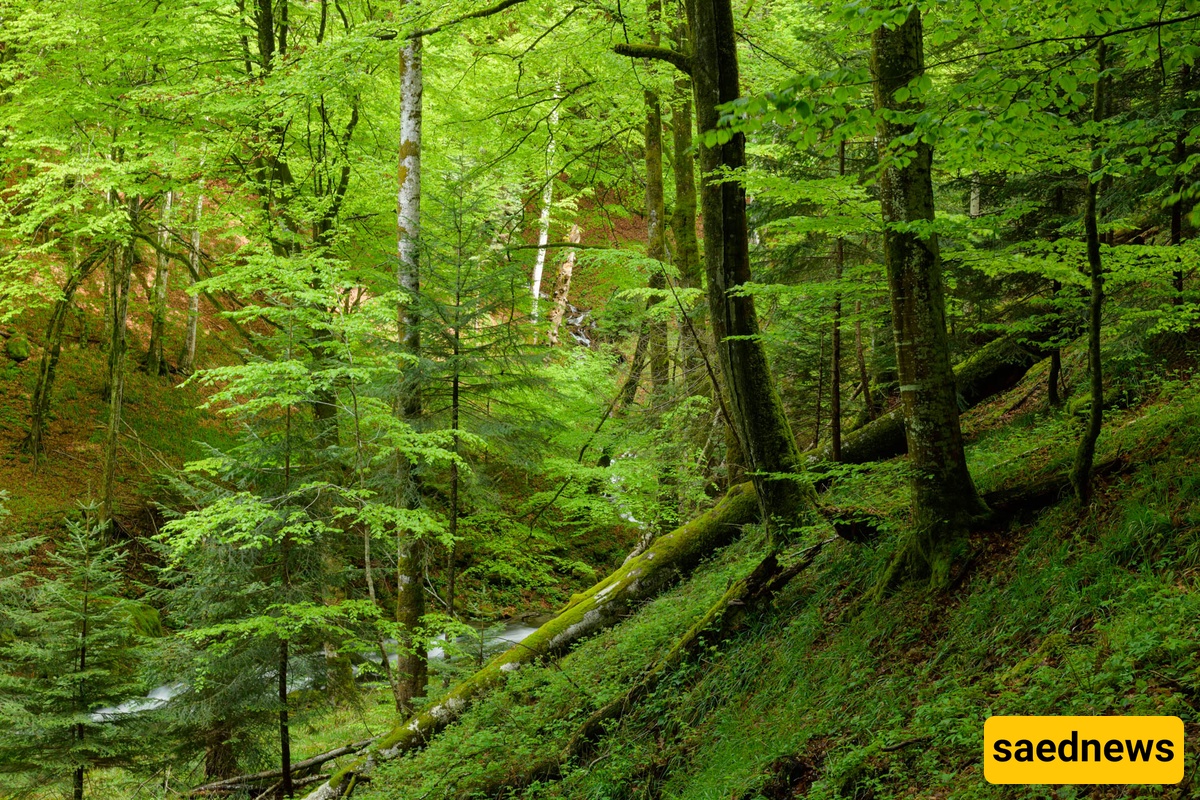
In Canada, Alaska, and Siberia, boreal forests are undergoing dramatic changes. Research led by NASA’s Earth Observing System and Canadian Forest Service scientists shows that rising temperatures are extending the growing season by several weeks in some regions.
Tree ring analysis of species like spruce and pine reveals increased annual growth rates compared to historical averages.
But there’s a catch—warmer conditions also increase wildfire risk, pest outbreaks like bark beetles, and permafrost instability.
So is this growth a sign of strength—or vulnerability?
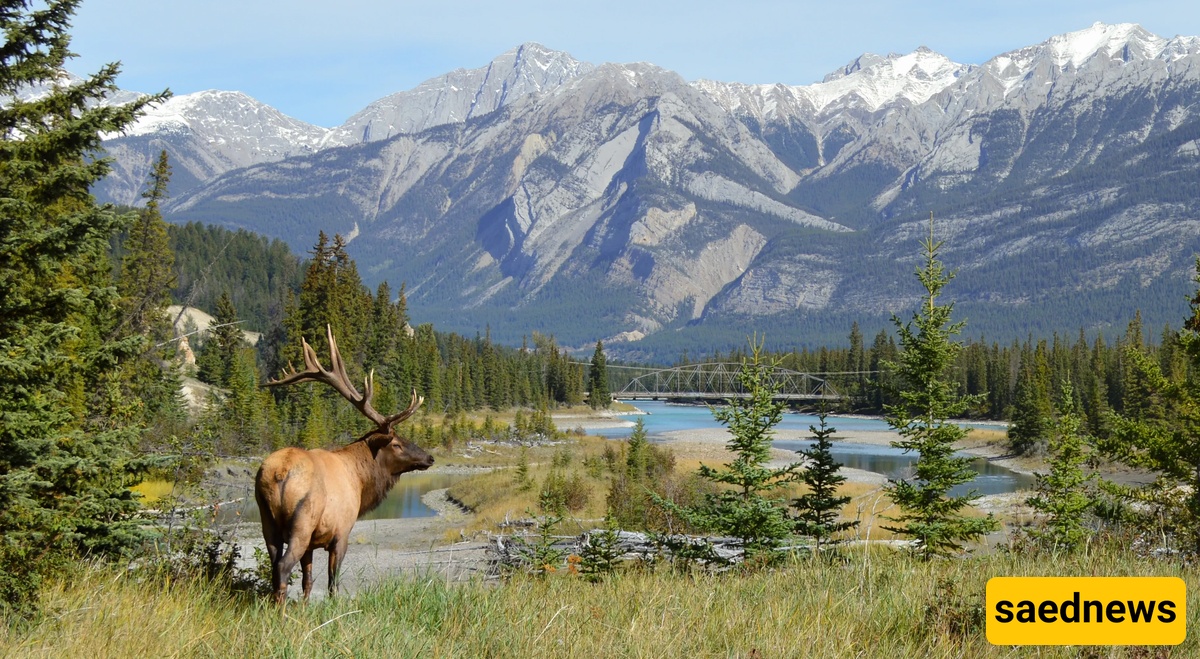
Researchers studying global forest dynamics have identified several key drivers behind accelerated growth:
Increased atmospheric CO₂ enhancing photosynthesis
Rising global temperatures extending growing seasons
Nitrogen deposition from industrial pollution acting as fertilizer
Land-use changes altering competition dynamics
A major synthesis of global forest data published in Nature Climate Change shows that while forest carbon uptake has increased in many regions, it is not evenly distributed and is increasingly unpredictable.
But if forests are absorbing more carbon, why is global warming still accelerating?
Forests are not just collections of trees—they are complex systems balancing carbon, water, and biodiversity. When growth speeds up too quickly, it can disrupt that balance.
Scientists warn that rapid biomass accumulation may lead to:
Reduced species diversity in some ecosystems
Higher susceptibility to disease outbreaks
Increased wildfire intensity in dry regions
So is this “boosted growth” actually a warning sign rather than a benefit?
What makes this phenomenon so intriguing is not just that forests are growing faster—but that they are responding in ways we are still trying to understand.
Satellite observations from NASA’s MODIS and ESA’s Copernicus programs confirm that Earth’s vegetation has generally become greener over the past few decades. But greening does not always mean health.
And this leads to a deeper question: are we witnessing a stronger planet—or a stressed one pushing its limits?
Because when forests begin to grow abnormally fast, it may not be a miracle of nature… but a signal that Earth’s systems are entering a new and uncertain phase.