Saed News: If you want to turn a barren piece of land into a lush forest in a short time and within a limited space, you will likely come across the “Miyawaki method.” This method was developed in the 1970s by Japanese botanist Akira Miyawaki and is now used in many countries around the world to create small urban forests.
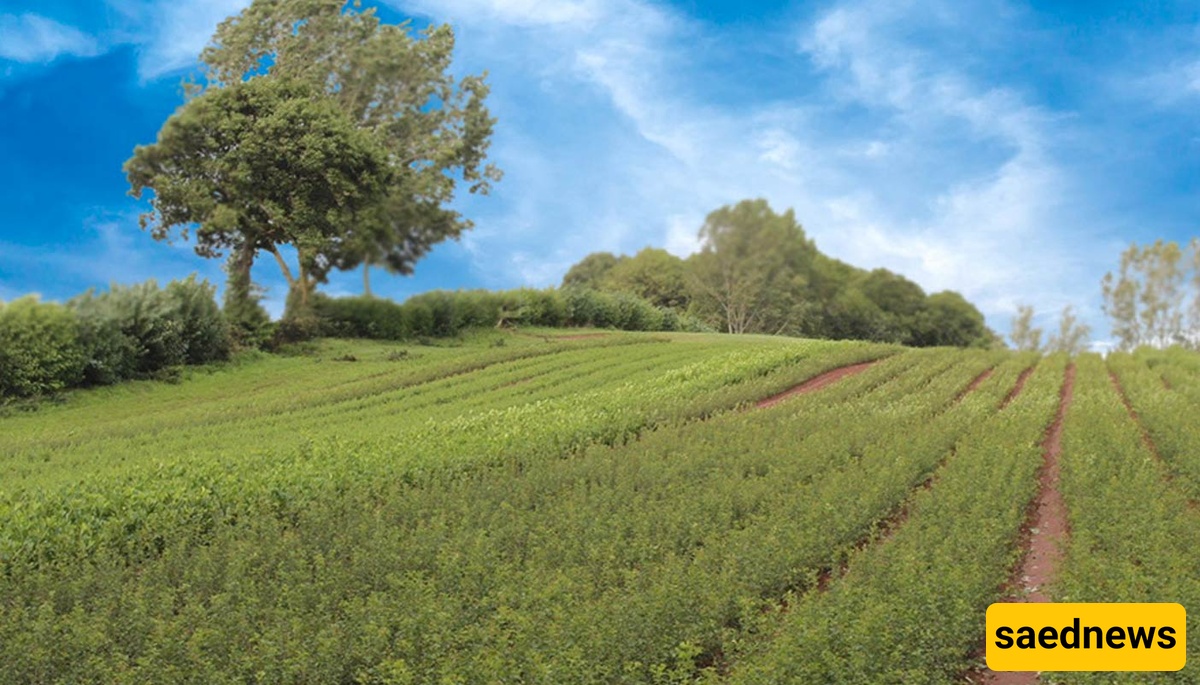
According to SAEDNEWS, Miyawaki was inspired by the ancient forests surrounding Shinto shrines in Japan. He believed that by planting dense clusters of native species, the process of forest formation could be significantly accelerated.
In this method, a large number of seedlings and native plants are planted in a very small area and very close to each other. Typically, three to five plants are placed per square meter. The goal is to make plants compete for light, water, and nutrients, thereby accelerating their growth.
One of the key principles of this approach is the use of native species from each region. Plants are selected that naturally grow together and form a small, balanced ecosystem.
The implementation process involves several steps. First, the local soil is enriched with organic matter and forest debris to introduce beneficial microorganisms and fungi into the soil. Then different native seedlings are planted very close together. In the first few years, regular watering and care are required, but after about three years, nature takes over and human intervention becomes minimal.
Supporters of this method believe that Miyawaki forests can develop into dense, mature vegetation within 20 to 30 years, which is much faster than conventional reforestation methods. For this reason, the method has been used in countries including Japan, India, the UK, the USA, and Jordan.
Miyawaki also believed that expanding native forests could help reduce carbon dioxide emissions and combat climate change. He viewed forests as the source of life and believed that restoring forest cover was essential for humanity’s future.
However, not all scientists agree with the claims made about this method. Some researchers say there is not yet enough scientific evidence to support claims such as forests growing 10 times faster or significantly higher carbon absorption. Reviews of multiple studies have shown that many of the conducted researches are not scientifically comprehensive and lack sufficient data.
Some critics also argue that companies sometimes use Miyawaki forest projects as a form of “greenwashing,” without properly evaluating their real environmental impact.
Despite these criticisms, many experts believe the core principles of the method are valuable: planting more trees, using native species, involving local communities, and respecting nature. Although some of its larger claims still require further scientific investigation, the Miyawaki method remains one of the most interesting approaches to increasing urban green space and restoring natural environments.