SAEDNEWS: Polishing Ceramic Surfaces: One of the Toughest Household Chores Made Easy with Simple Tricks
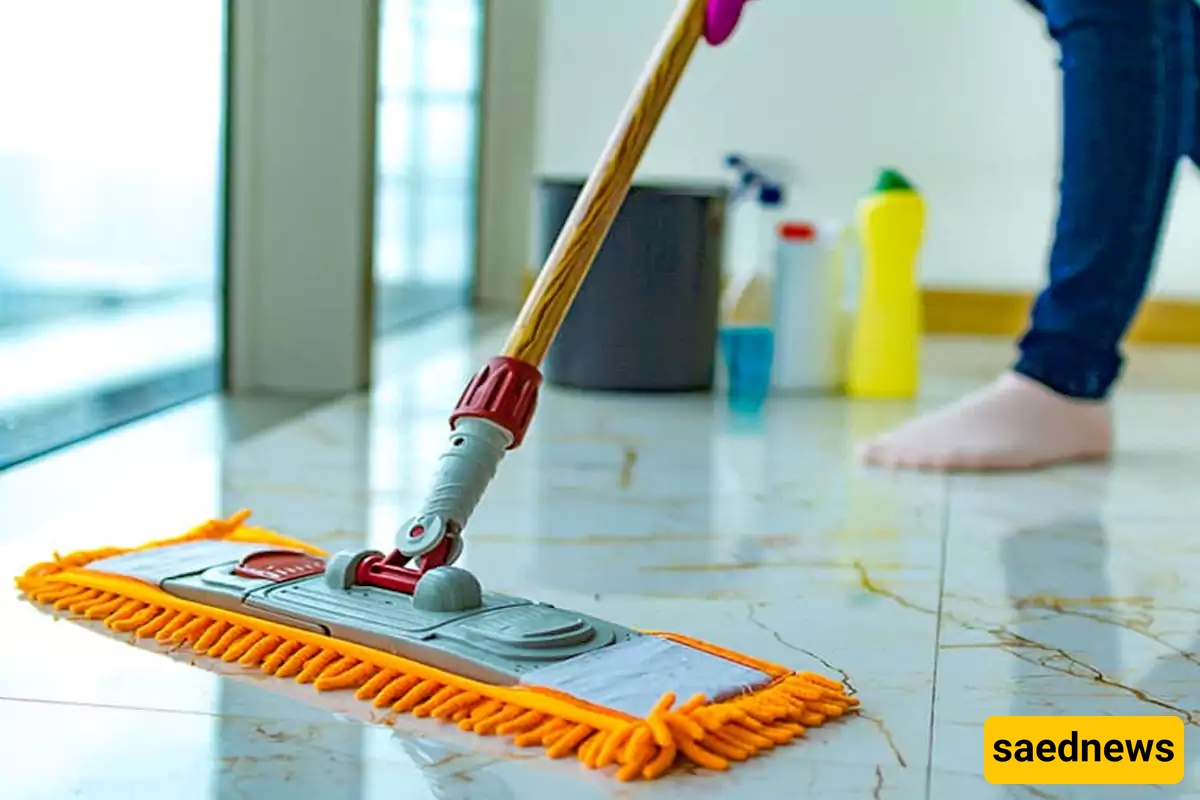
According to Saednews, Most homeowners choose tiles for kitchens, bathrooms, living rooms, and other areas of the home. They look elegant and serve as an easy, durable alternative to carpets. However, over time, floor tiles can develop a layer of dirt and grime that leads to stains and dullness.
The most common reasons for tile discoloration include:
Daily exposure to water, dust, and other liquid spills
High humidity and poor ventilation, which encourage mold and mildew growth
Grout lines that easily absorb dirt
Soap buildup from washing or bathing

Regular cleaning is important, but it is often not enough to prevent dull or dirty-looking tiles. Floor tiles require extra care to maintain their shine.
To keep tiles in good condition:
Clean spills immediately to prevent discoloration
Sweep floors regularly to avoid dirt buildup
Rinse tiles with clean water after using detergents to remove residue
Avoid harsh chemicals like bleach, which can damage grout
In bathrooms, rinse tiles frequently to prevent soap residue, mold, and mildew
Kitchens, in particular, tend to get greasy and messy over time because of cooking activities. Since the kitchen is one of the most frequently used spaces in a home, keeping it clean and organized is essential.
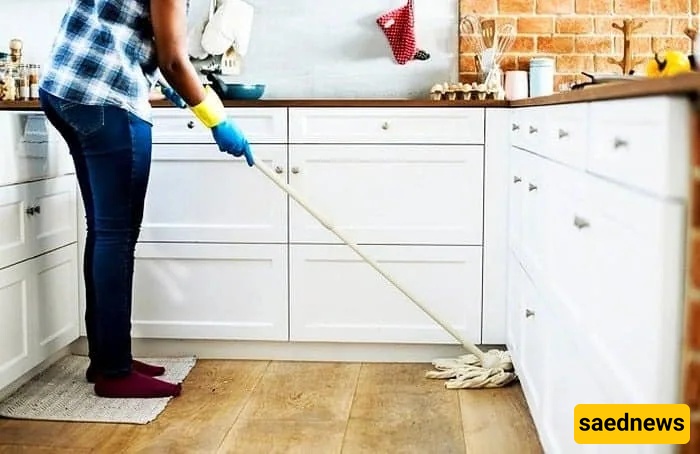
White vinegar is an excellent natural cleaner for kitchen tiles. It helps remove grease, disinfect surfaces, and eliminates odors. It is also effective against smoke stains. A mixture of water and vinegar can be used regularly to clean kitchen walls and floors.
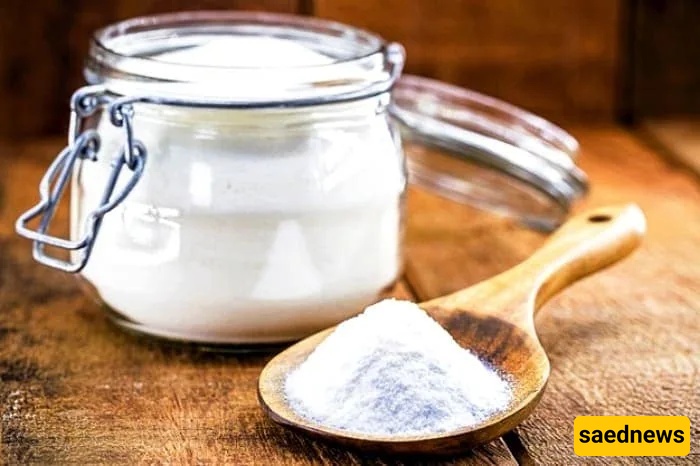
Baking soda is a powerful solution for removing grease and stains. Apply it gently with a sponge, scrub lightly, and then wipe with a clean damp cloth to remove residue.
Although it may sound unusual, vegetable oil can help remove greasy stains (“oil dissolves oil” method). Apply a small amount on a paper towel and gently wipe greasy surfaces.
Sprinkle salt over greasy stains to absorb oil. Then clean the area with vinegar or a borax solution, followed by wiping with a damp cloth.
Borax mixed with lemon juice creates an effective paste for cleaning stained areas. Apply it, let it sit for a while, then scrub and wipe clean.
A mixture of white vinegar, alcohol, water, a small amount of dishwashing liquid, and a few drops of mint essential oil can be used in a spray bottle to clean kitchen tiles effectively.
A mixture of equal parts lemon juice and baking soda can help remove mold and mildew. Apply the mixture, leave it for a few hours, then rinse thoroughly.
A diluted mouthwash solution mixed with warm water can help kill bacteria and freshen tile surfaces. It works well on floors and walls but should not be used on wood.
Cleaning floor tiles can sometimes be messy and time-consuming. If deep cleaning is needed, professional cleaning services may be a helpful option to restore shine and cleanliness.