SAEDNEWS: Mushrooms often spoil fast in the fridge and turn black within a day. This is usually not due to poor quality, but improper storage—especially keeping them in a sealed plastic bag that traps moisture.
According to the housekeeping service of the Saed News website, mushrooms are one of the most widely used ingredients in the kitchen, but at the same time, they are among the products that lose their quality very quickly. Many people think that extending the shelf life of mushrooms requires complex methods or special equipment, while in reality the process is much simpler. The main secret to storing mushrooms lies in controlling humidity and maintaining the right temperature. If these two factors are properly managed, mushrooms can be kept fresh and usable for several days up to even more than a year.
Mushrooms are made up of 85–90% water. This high moisture content, combined with the proteins in their structure, creates an ideal environment for the growth of bacteria and mold. In addition, the natural enzymes in mushrooms begin breaking down their structure immediately after harvest, gradually causing discoloration, softness, and quality loss.
At room temperature, fresh mushrooms usually last no more than two days, but in the refrigerator they can remain fresh for a week or more. Exposure to extra moisture, improper packaging, crushing, and storage near certain fruits and vegetables can also speed up spoilage.
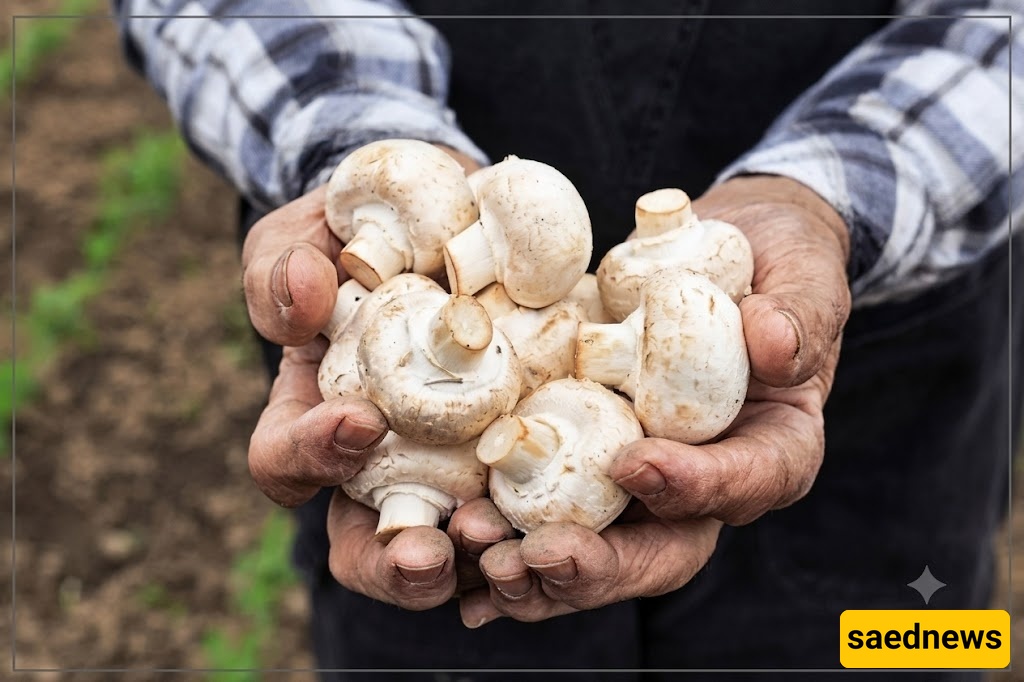
Proper storage begins at the time of purchase. Fresh mushrooms should have a firm texture, a uniform white or cream color, and a mild natural smell. Dark spots, bruising, excessive softness, or damage indicate reduced quality.
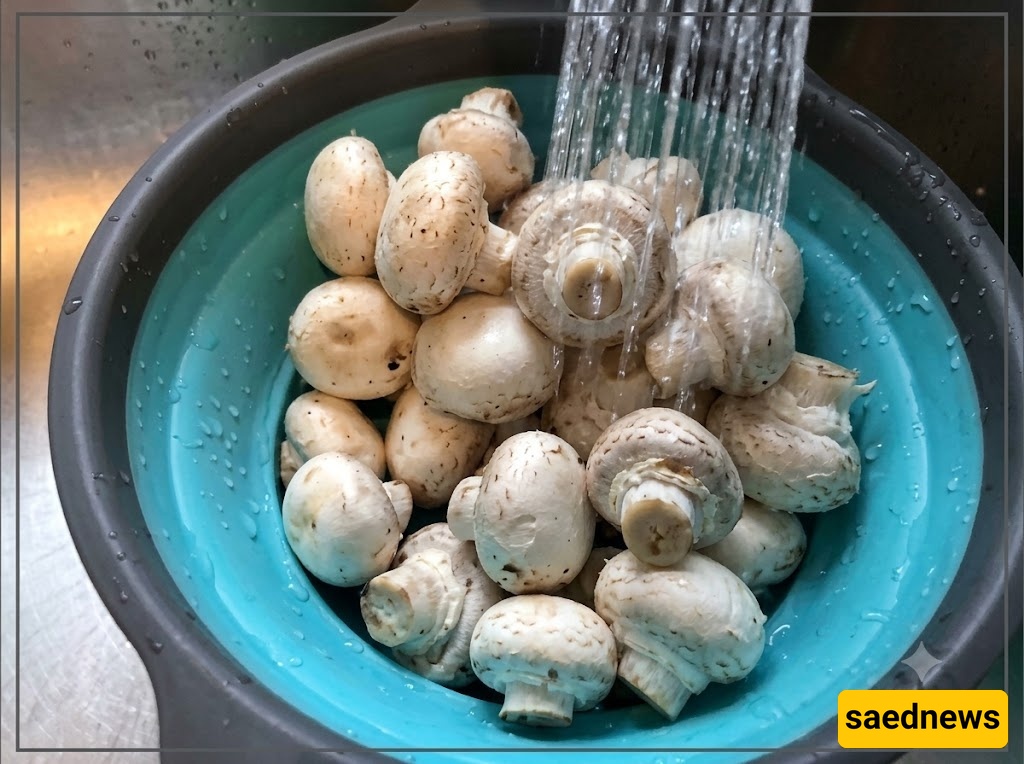
Washing mushrooms before storing them is one of the most common mistakes. Mushrooms act like sponges and absorb any extra moisture; wet mushrooms create exactly the conditions bacteria need to grow.
Mushrooms should only be washed right before use. If washing is necessary before storage, they must be thoroughly dried with a cloth.
Method 1: Paper Bag (Best Option)
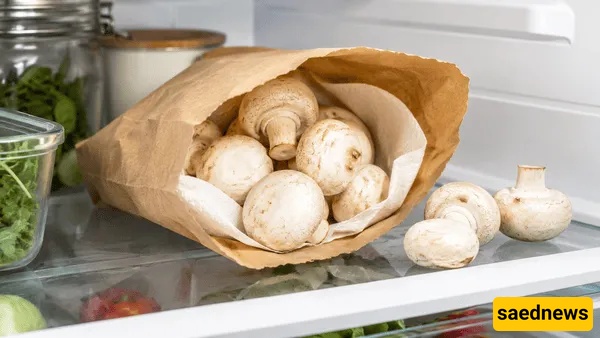
For daily or weekly use, the refrigerator is the best choice. Among different methods, storing mushrooms in a paper bag is the most effective. The paper absorbs excess moisture while allowing airflow—both essential for keeping mushrooms fresh.
Method 2: Paper Towels
If a paper bag is not available, mushrooms can be wrapped in paper towels and placed in a ventilated container. Fully sealed plastic bags or airtight containers are not recommended, as moisture buildup causes mushrooms to become slimy and spoil quickly.
Method 3: Ventilated Plastic or Glass Container
When using a container, small holes should be made in the lid to release moisture. Placing a small rack at the bottom also prevents mushrooms from sitting in moisture.
Fully sealed containers are not recommended, as trapped humidity quickly damages mushrooms.
Cooked mushrooms last longer than raw ones—about 3 to 5 days in a sealed container in the refrigerator. Heat deactivates spoilage enzymes and reduces surface bacteria.
Mushrooms should be completely cooled before refrigeration. Reheating in a pan with a little butter gives better results than using a microwave.
If mushrooms will not be used within a week, freezing is the best option.
Method 1: Freezing Raw Mushrooms
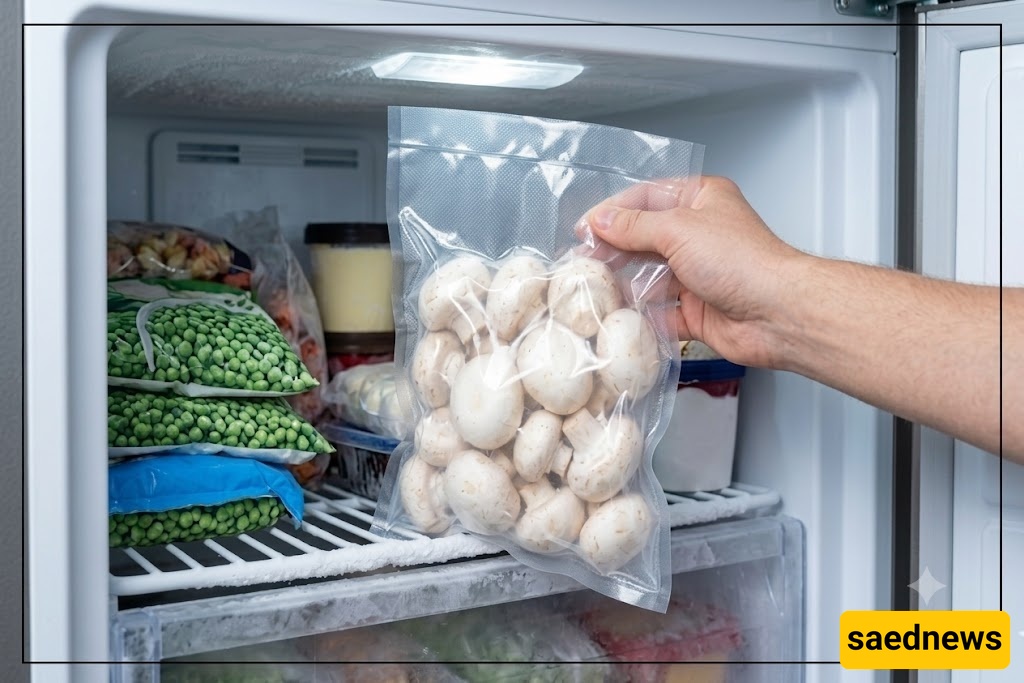
Clean, dry, and slice or leave mushrooms whole. Place them in freezer bags, remove air, seal, and freeze. Shelf life is 1–2 months. However, frozen raw mushrooms become softer, darker, and watery after thawing, making them better for soups and stews than frying.
Method 2: Blanching Before Freezing
Blanching means briefly boiling mushrooms and then immediately placing them in cold water. This stops enzyme activity that causes discoloration and texture loss.
Method 3: Freezing Sautéed Mushrooms
Sauté mushrooms with a little oil or butter until they release moisture and soften. After cooling, store in small containers and freeze. This method keeps them usable for up to 3 months and allows direct use in cooking.
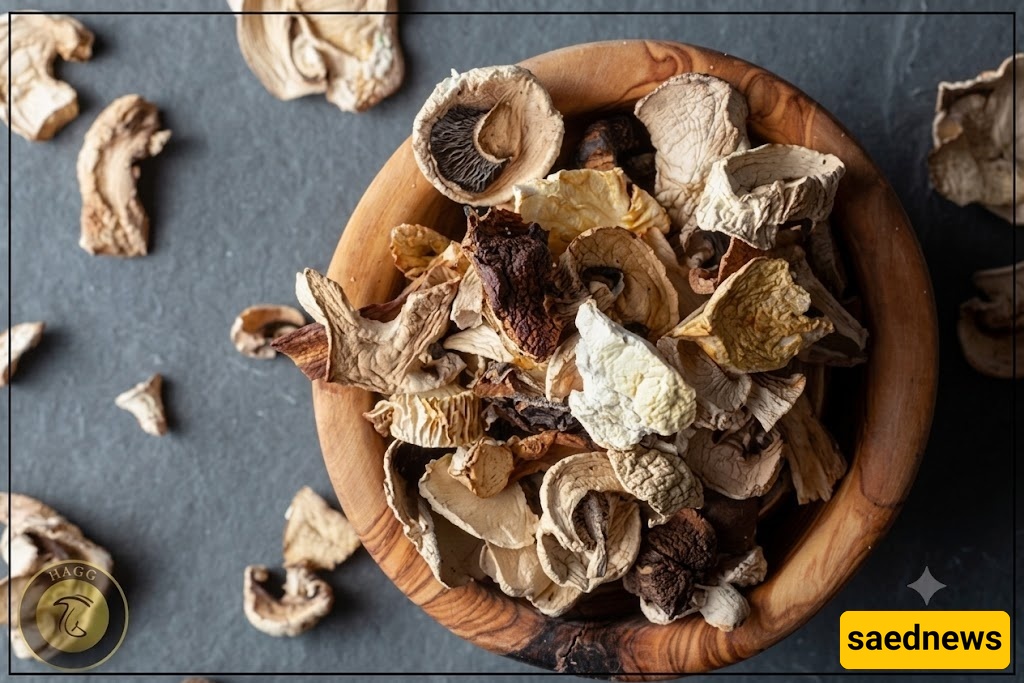
One of the oldest and most effective methods is drying mushrooms. By reducing moisture to below 10%, bacterial and mold growth stops, allowing mushrooms to last for months.
Drying can be done using sunlight, an oven, or a food dehydrator. After drying, mushrooms should be stored in sealed glass containers in a cool, dry place. In these conditions, dried mushrooms can last over a year.
Besides freezing and drying, salting and canning are also effective long-term storage methods.
Salting is a traditional method where mushrooms are layered with salt in a glass container and stored in the refrigerator. They must be rinsed before use to remove excess salt.
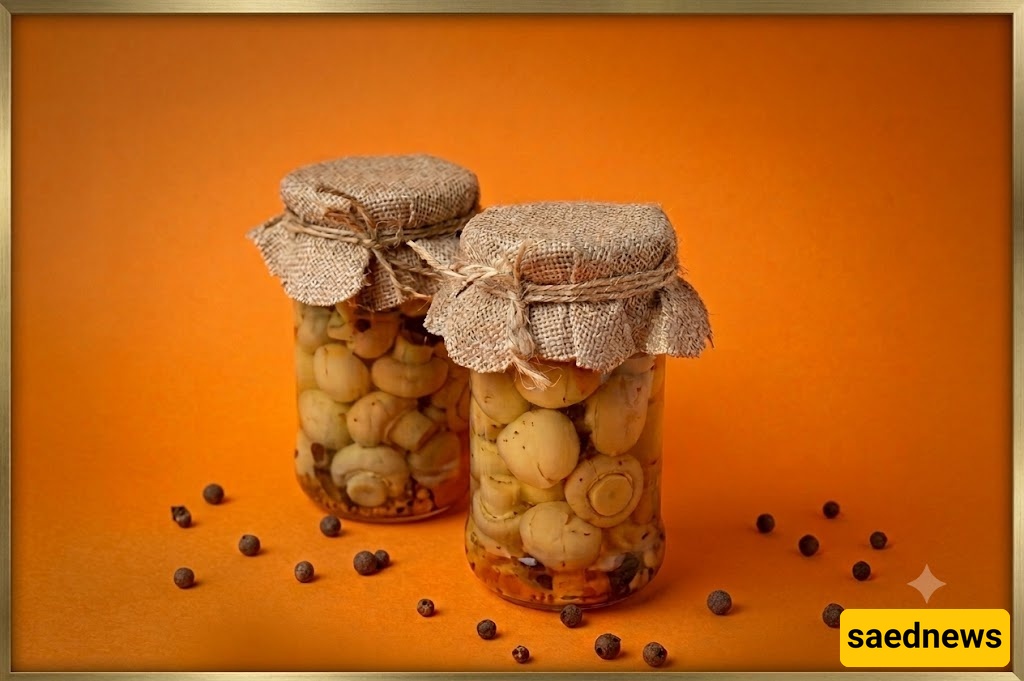
Canning is suitable for storing large quantities. Cooked mushrooms are placed in sterilized jars and processed for long shelf life (over a year). Ready-made canned mushrooms are also a convenient option and should be refrigerated after opening.
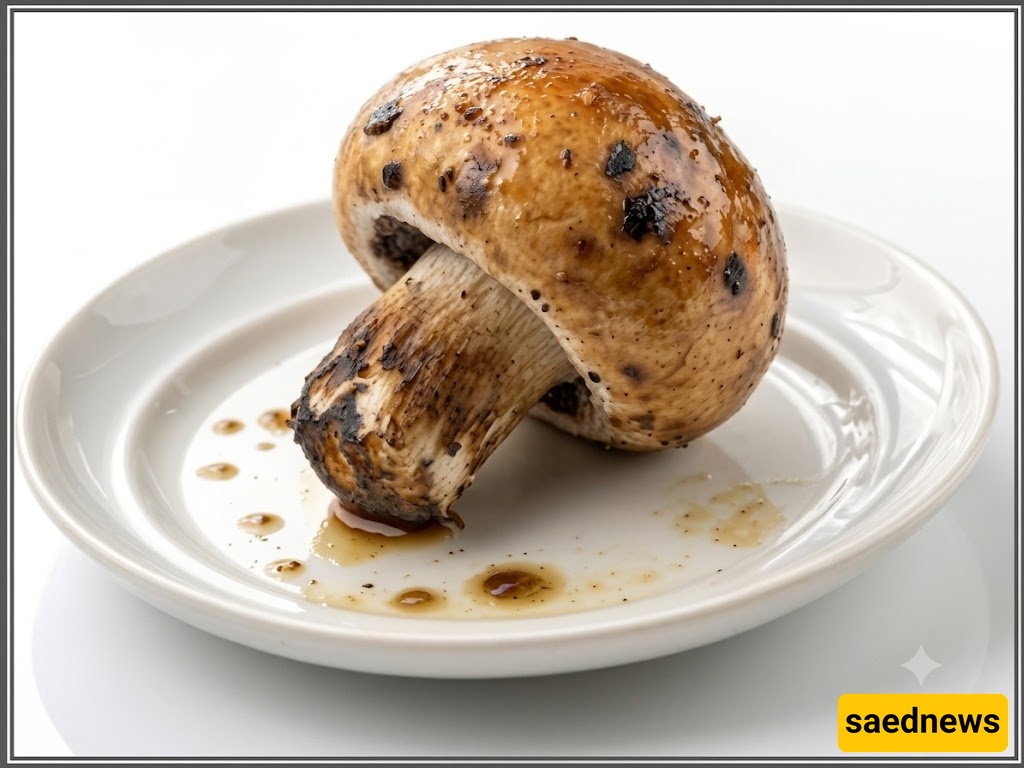
Before use, always check mushrooms carefully. Slimy texture, sour or unpleasant smell, severe discoloration, mold growth, and soft mushy texture are key signs of spoilage. If any of these appear, mushrooms should not be consumed.
Importantly, cooking spoiled mushrooms does not make them safe, as some toxins are heat-resistant.
Storing mushrooms is not as difficult as many people think. The key principles are controlling moisture and maintaining proper temperature. For short-term use, a paper bag in the refrigerator works best; for months of storage, freezing—especially after blanching—is recommended; and for long-term storage, drying or canning provides the longest shelf life. By following these simple methods, waste can be reduced and mushrooms can be enjoyed for a much longer time.