SAEDNEWS: Medlar: A Yellow Fruit Rich in Nutrients and Vitamins with Significant Health Benefits
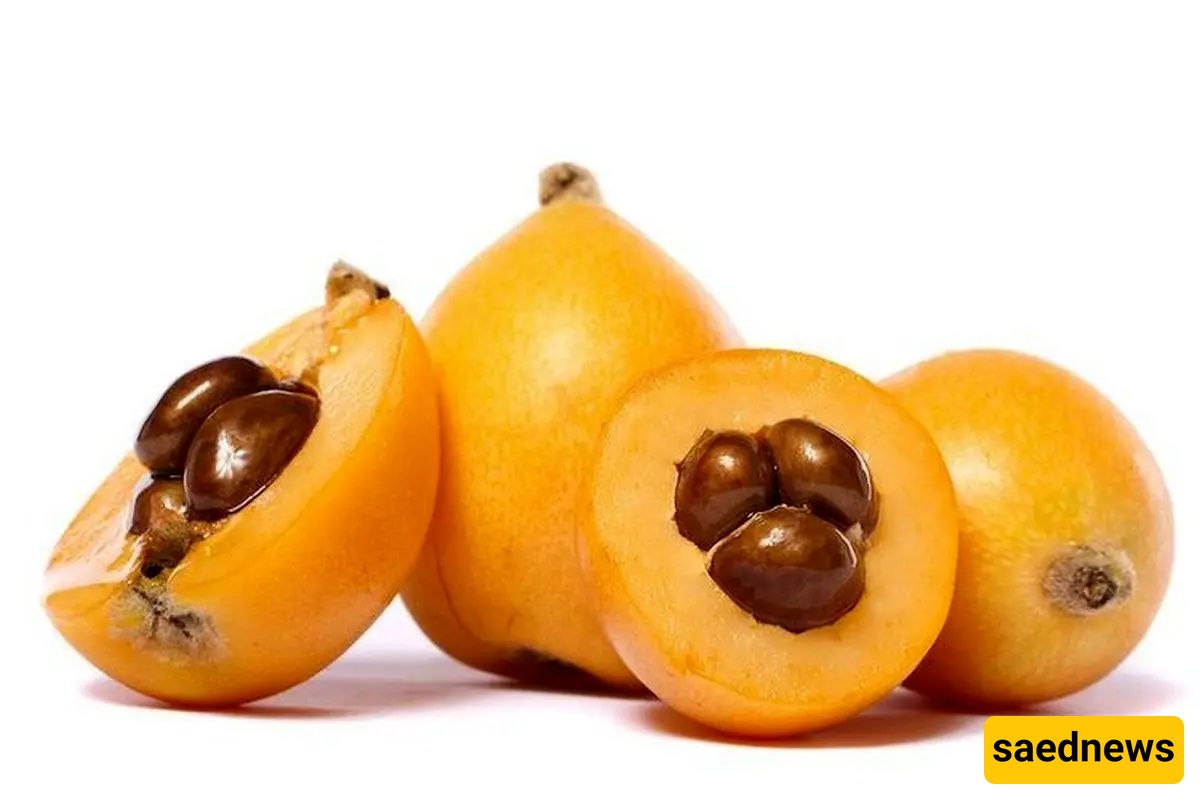
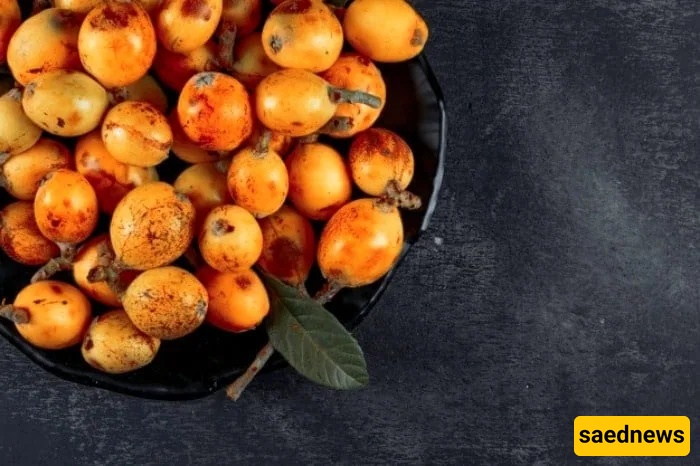
According to Saednews, Loquat is a pear-shaped fruit slightly larger than a plum. It has a yellow to orange skin, sometimes with reddish patches. The fruit has a pleasant taste, often described as a blend between mango and peach. It can be eaten fresh or dried.

Loquat is rich in nutrients that support overall health. It contains significant amounts of vitamins A, C, B1, and B2. It also includes plant compounds such as tannins, pectin, organic acids, proteins, and small amounts of carbohydrates.
Minerals found in loquat include calcium, potassium, iron, and magnesium, all of which contribute to immune system support and overall body function.
In traditional medicine sources, loquat is considered to have a cold and dry nature. It is often recommended for individuals with a warm and moist temperament. People with a cold and dry constitution may experience discomfort if they consume it in excess and are advised to eat it with honey as a corrective agent.
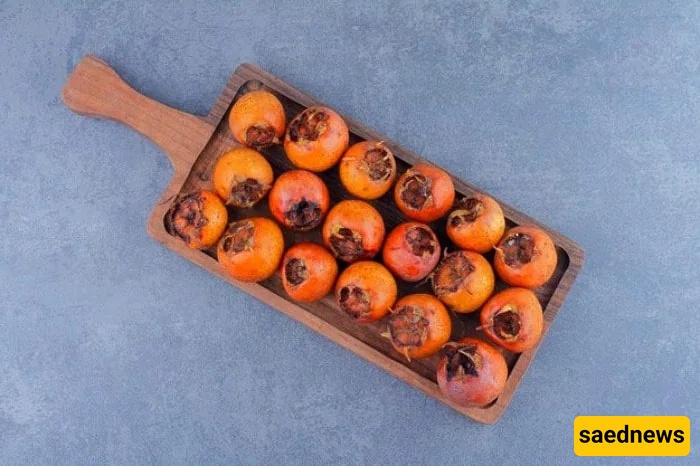
Loquat contains iron, which is essential for hemoglobin production. Hemoglobin helps transport oxygen throughout the body and prevents anemia. It may be especially beneficial for individuals with iron deficiency or those experiencing blood loss, such as during menstruation.
Iron contributes to proper muscle function by supporting oxygen delivery to muscle tissues. Adequate iron levels help maintain muscle strength and prevent weakness associated with anemia.
Iron and oxygen supply to the brain play a key role in cognitive performance. Sufficient intake may support memory, focus, and neurological function, and may help reduce the risk of cognitive decline.
Due to its iron content, loquat may help reduce chronic fatigue by improving oxygen transport and energy metabolism in the body.
The vitamins and minerals in loquat help strengthen the immune system and support the body’s ability to fight infections and recover from illness.
Loquat is rich in dietary fiber and pectin, which support healthy digestion, improve bowel movement, and help relieve constipation.
Its fiber content may help reduce cholesterol levels and support cardiovascular health by improving blood vessel function.
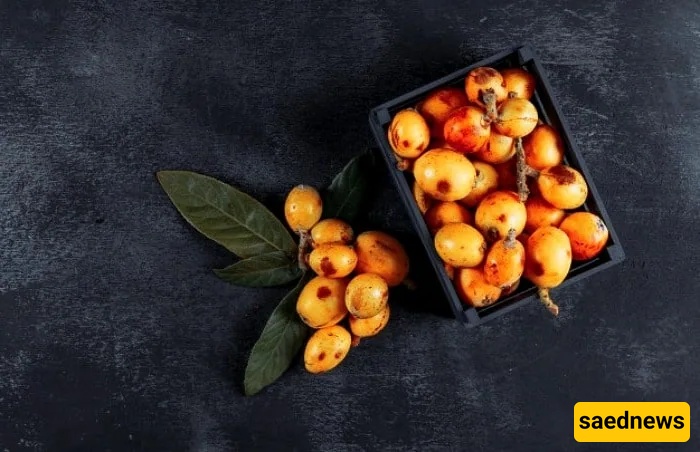
Loquat is low in calories and contains fiber that increases satiety, helping reduce overeating and supporting weight control.
Vitamin C and antioxidants in loquat contribute to skin rejuvenation, improved elasticity, and reduced wrinkles. Minerals like iron, zinc, and copper may also help strengthen hair roots and reduce hair loss.
Loquat contains antioxidants that help protect cells from oxidative stress, slow aging, and reduce cellular damage caused by free radicals.
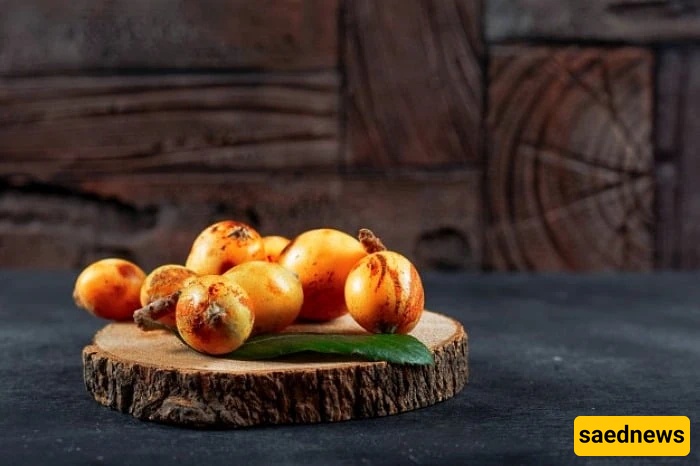
In traditional herbal practices, different parts of the loquat plant (fruit, leaves, seeds, and bark) have been used for various purposes:
Relief of digestive disorders such as diarrhea
Detoxification and liver cleansing
Support for respiratory and throat infections
Reduction of inflammation
Support for kidney and urinary tract health
Use as a natural sedative and calming agent
Aid in reducing fever and internal inflammation
Loquat leaves are sometimes used to prepare herbal tea, which is believed to have antioxidant and anti-inflammatory properties.

Loquat can be consumed in several ways:
Fresh consumption
Dried fruit
Jam, jelly, marmalade, and syrup
Mixed with cheese as a dessert
Pickled when unripe with sugar and vinegar
Herbal tea made from unripe fruit or leaves
Due to its high pectin content, it is especially suitable for making jams and jellies.
Diabetes: Contains natural sugars in moderate amounts and may be suitable in controlled portions.
Pregnancy: May help prevent anemia and constipation, but medical consultation is recommended before consumption.
Children: Supports growth due to its vitamins and minerals and may help with digestive issues like constipation.
Excessive consumption of loquat may cause:
Nausea
Stomach cramps
Diarrhea
Digestive discomfort
People with allergies to similar fruits should avoid it. Overconsumption may also affect mineral balance or cause issues in sensitive individuals.
Loquat is a nutrient-rich fruit with a wide range of traditional and modern health associations. It supports blood health, digestion, immunity, and skin vitality. However, like many fruits, it should be consumed in moderation to avoid potential side effects.