SAEDNEWS: The Washington Post reports that frustration and distrust toward Donald Trump are deepening among U.S. Gulf allies as the war with Iran continues. Despite their continued reliance on Washington, Saudi Arabia, the UAE, Qatar, Kuwait and Bahrain are increasingly considering broader security partnerships.
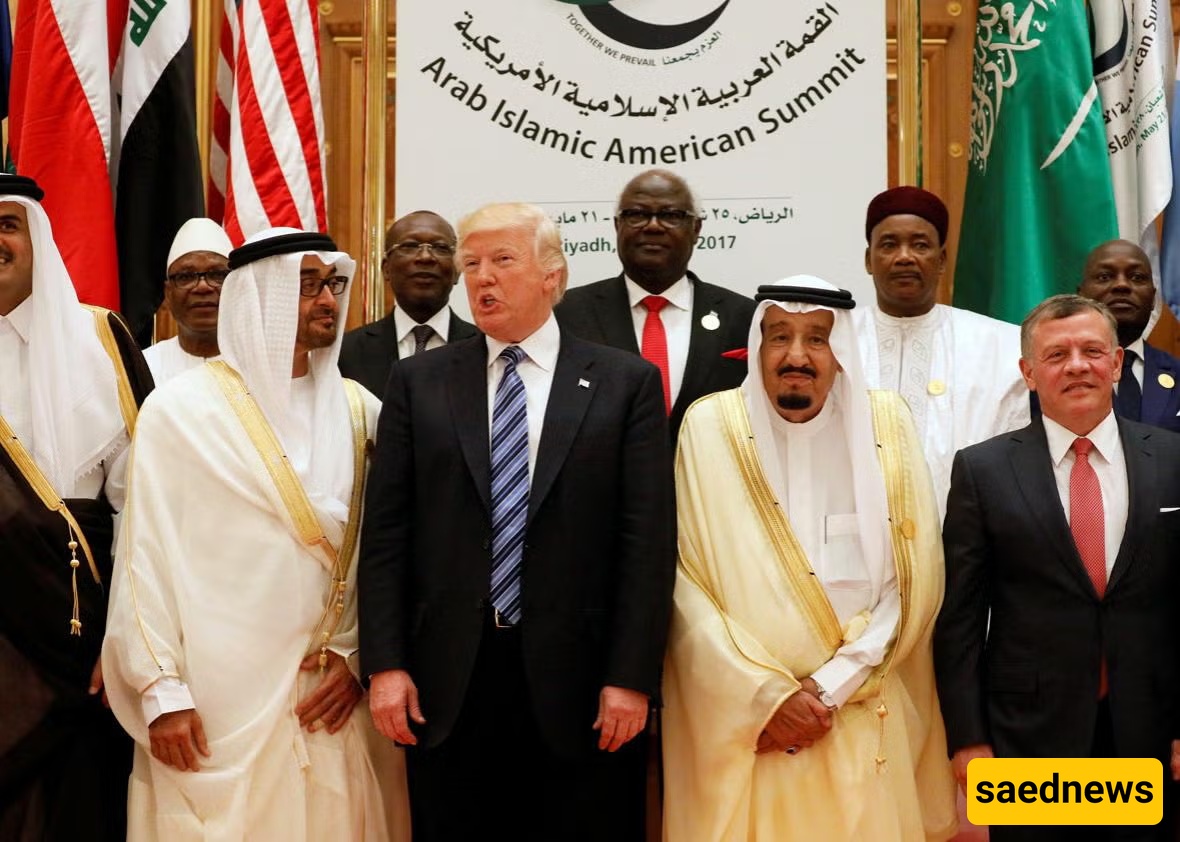
According to SaedNews: The Washington Post has reported growing anger and disappointment among U.S. allies in the Persian Gulf over Donald Trump’s handling of the war with Iran, with regional governments increasingly concerned that his administration may struggle to manage diplomacy aimed at ending the conflict.
Saudi Arabia, the United Arab Emirates, Qatar, Kuwait and Bahrain have reportedly developed a shared concern after months of fighting and continued Iranian and Axis of Resistance missile and drone attacks. One Gulf official, speaking anonymously, said, “Trump started this war and we are paying the price.” He added that regional anger toward Washington has reached its highest level since the joint U.S.-Israeli attack on Iran in February.
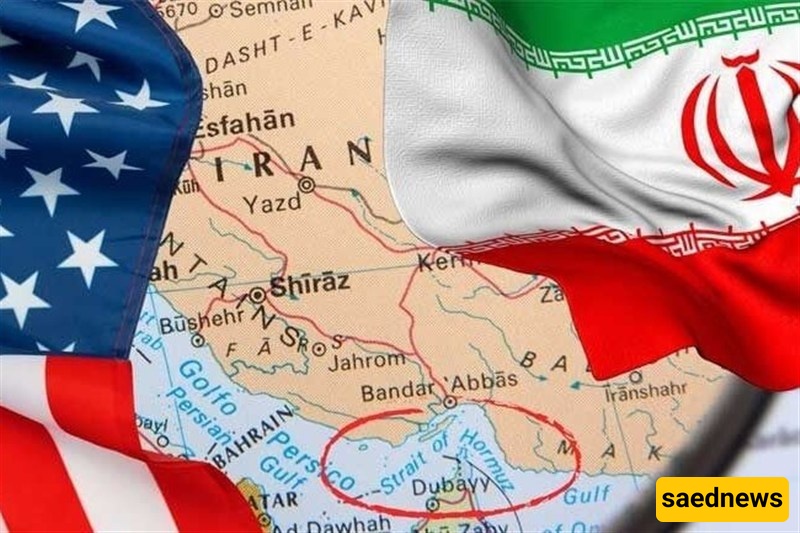
Trump has repeatedly threatened Iran in recent weeks before backing away from some of those threats while simultaneously claiming that negotiations are advancing. The contradictory approach has prompted some Gulf states to question whether they should continue hosting major U.S. military bases.
Analysts say these developments are unlikely to fundamentally alter the regional security order in the short term, but there are signs that Gulf countries are seeking to diversify their security partners. A recent mutual defense agreement involving Saudi Arabia, Turkey and Pakistan was described by a senior European official as “a message to America.” He said the three powerful Sunni states are broadening their defense and security partnerships because, in their view, “America is no longer enough.”
The White House said Trump has “excellent relationships with all our Gulf partners” and that Washington had remained in contact with regional allies before the operation began. Representatives of Saudi Arabia, the UAE, Qatar, Kuwait and Bahrain, however, did not respond to requests for comment.
Analysts have also acknowledged rising Gulf frustration. Firas Maksad of Eurasia Group said Gulf allies believe they were “unnecessarily” drawn into a war that Trump is now struggling to end. Anna Jacobs of the Arab Gulf States Institute in Washington described U.S. policy toward Iran as “unpredictable and unstable” and said trust in America has declined since the war began, with allies feeling that U.S. actions have made them less secure rather than safer.
The Gulf states still regard the United States as their principal security partner and a major arms supplier, while Qatar and Bahrain host large U.S. military bases. Yet the economic pressure caused by the closure of the Strait of Hormuz, Houthi attacks on Saudi energy infrastructure and the prolonged conflict has intensified their concerns.
Gulf Arab officials initially hoped the war would end quickly, but they are now calling for the fighting to stop as soon as possible. The Washington Post notes that they currently have no immediate and reliable substitute for their security partnership with the United States and therefore remain tied to the alliance, even as dissatisfaction and distrust toward Washington continue to grow.
Earlier, the Israeli newspaper Haaretz, in an article titled “Gulf countries do not trust America and have opened a parallel path with Iran,” examined the crisis between Washington and Arab states after the latest regional war. It said Trump was working to convince others that his agreement with Iran represented a new order created by the United States and amounted to Iran’s “unconditional surrender.” The newspaper added that Gulf states had lost confidence in America and were considering cooperation with Iran.
The Wall Street Journal had also reported that Gulf countries felt betrayed by the United States, believing Trump was indifferent to Iranian attacks on American bases in the region for his own interests, a development that had raised alarm across the Gulf.
Meanwhile, CNN reported that as the war entered its sixth month, the U.S. government’s list of objectives had noticeably narrowed. Recent comments by Vice President J.D. Vance were described as the latest indication that the Trump administration may accept a more limited agreement.
The Trump administration has gradually moved away from its original maximalist aims, which initially included Iran’s complete surrender, political regime change, permanently preventing Tehran from obtaining nuclear weapons, and ending Iranian support for allied groups in the Middle East, including Hezbollah.