SAEDNEWS: The US Strategic Petroleum Reserve has fallen below 300 million barrels for the first time since its completion in the early 1980s, reaching 298.7 million barrels. Experts warn that continued rapid withdrawals could place pressure on the underground salt caverns and pumping infrastructure that hold the emergency stockpile.
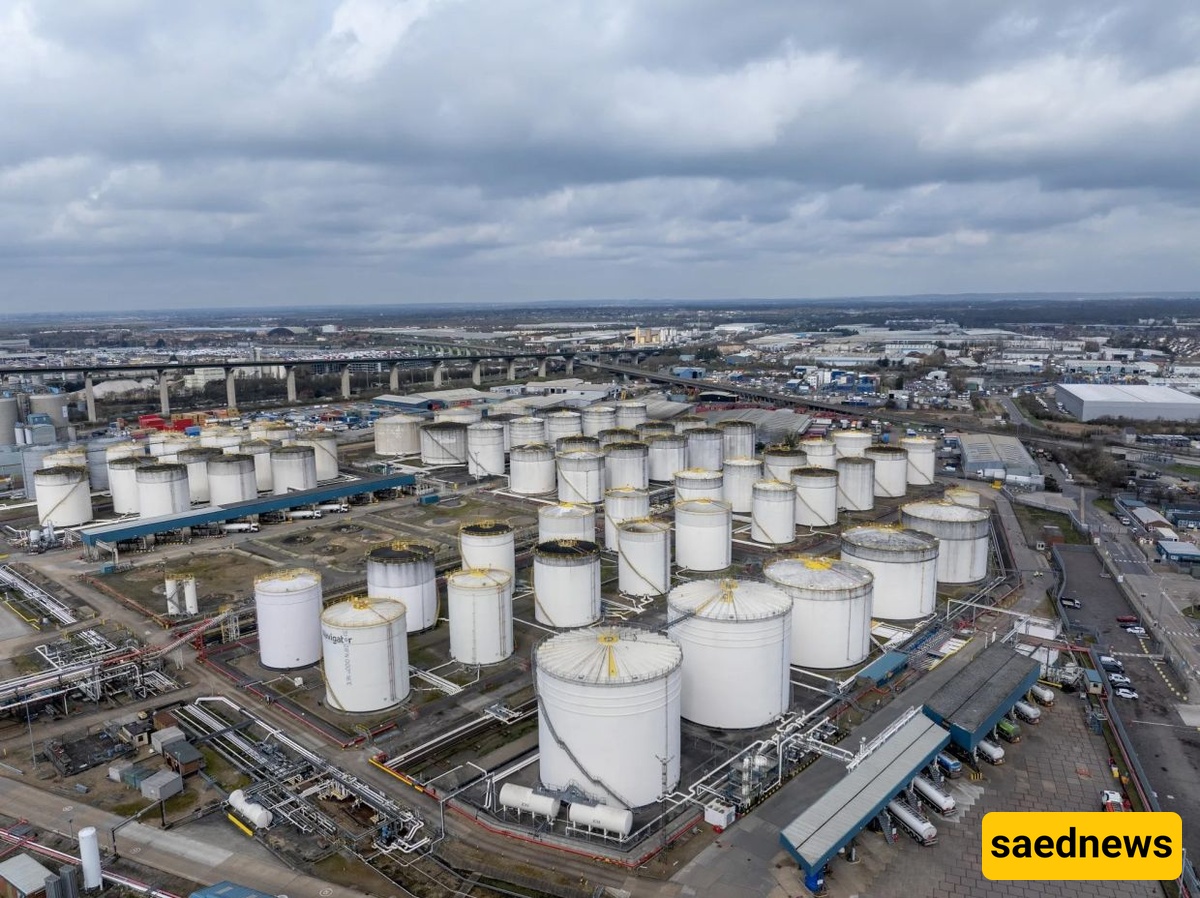
According to SaedNews: The United States’ Strategic Petroleum Reserve has dropped below 300 million barrels for the first time since the reserve was completed in the early 1980s, prompting warnings that continued large-scale withdrawals could affect the underground facilities used to store the oil.
The latest figures show that the reserve fell by 6.1 million barrels in the week ending August 9, reaching 298.7 million barrels, its lowest level since January 1983. Washington has also announced plans to release another 172 million barrels, which would reduce the stockpile to roughly 243 million barrels once the process is completed.
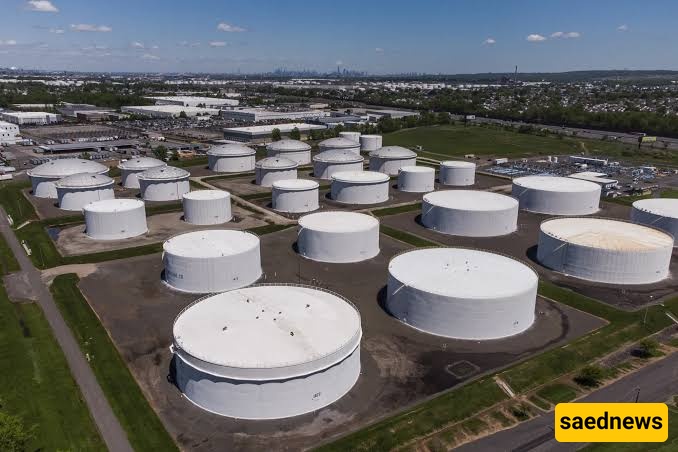
The reserve is held in 60 salt caverns located several thousand feet underground at four major sites along the Gulf Coast in Louisiana and Texas. Experts have warned that drawing oil too quickly and on a large scale could affect the structural integrity of the caverns and pumping systems, potentially creating difficulties for future operations. Analysts at Rapidan Energy estimate that the reserve’s minimum operational level is around 170 million barrels, after which cavern and pumping-system limitations could prevent further withdrawals. US Energy Department officials, however, have rejected claims that the caverns are at risk of collapse.
The historic decline followed supply disruptions linked to the war against Iran. In March, Donald Trump ordered the release of 172 million barrels after Iran disrupted oil exports through the Strait of Hormuz. The move was coordinated with the International Energy Agency, whose members collectively released 400 million barrels from emergency reserves. US officials say they plan to replenish about 200 million barrels over the next year.
At the same time, oil prices have risen. Brent and WTI gained more than 4% on some days, climbing above $85 and $80 per barrel, respectively. The emergency stockpile has fallen to these levels as consumers face the highest gasoline pump prices seen in mid-August.