SAEDNEWS: Discover the benefits of calendula tea, including its anti-inflammatory, immune-supporting, skin, and digestive properties, plus how to prepare it and what precautions to consider.
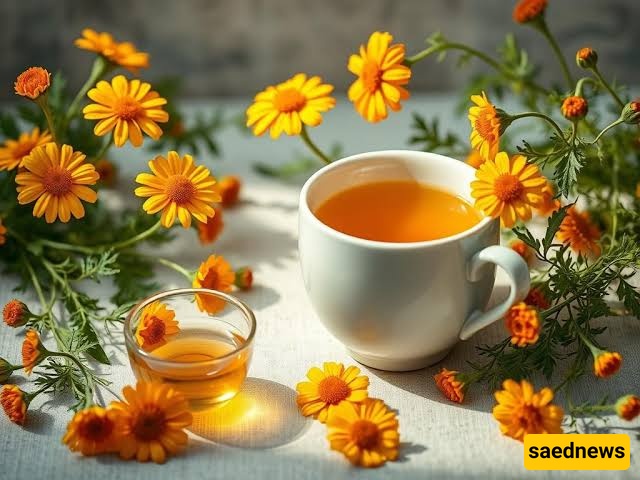
According to Saednews, In today’s fast-paced world, interest in traditional medicine and herbal remedies has become an increasingly popular approach to supporting overall well-being. Among the many herbal teas available, calendula tea holds a special place. Known scientifically as Calendula officinalis, calendula is recognized for its vibrant yellow and orange petals and its long history of traditional use. Beyond its ornamental appeal, the plant contains a variety of bioactive compounds that have been studied for their potential health benefits.
Calendula has been used in both Iranian and European traditional medicine for centuries. Today, calendula tea is enjoyed as a natural herbal beverage and is also widely used in pharmaceutical, cosmetic, and personal-care products.
Calendula is an annual herb belonging to the Asteraceae family and is native to the Mediterranean region. It can produce flowers continuously throughout its growing season, which is why it is commonly associated with the name “marigold” or “pot marigold.”
Its flowers range from bright yellow to orange and sometimes reddish-orange, with a mild and pleasant aroma. Calendula has traditionally been used for supporting wound healing, soothing skin inflammation, and addressing certain digestive complaints.
The medicinal use of calendula dates back centuries. Ancient Roman and Greek traditions used the plant for wounds, fever, and skin conditions. During the Middle Ages, calendula was regarded in Europe as a protective herb and was also associated with heart health. Modern research has investigated several of these traditional applications, and calendula extracts are now commonly incorporated into herbal, pharmaceutical, and cosmetic products.
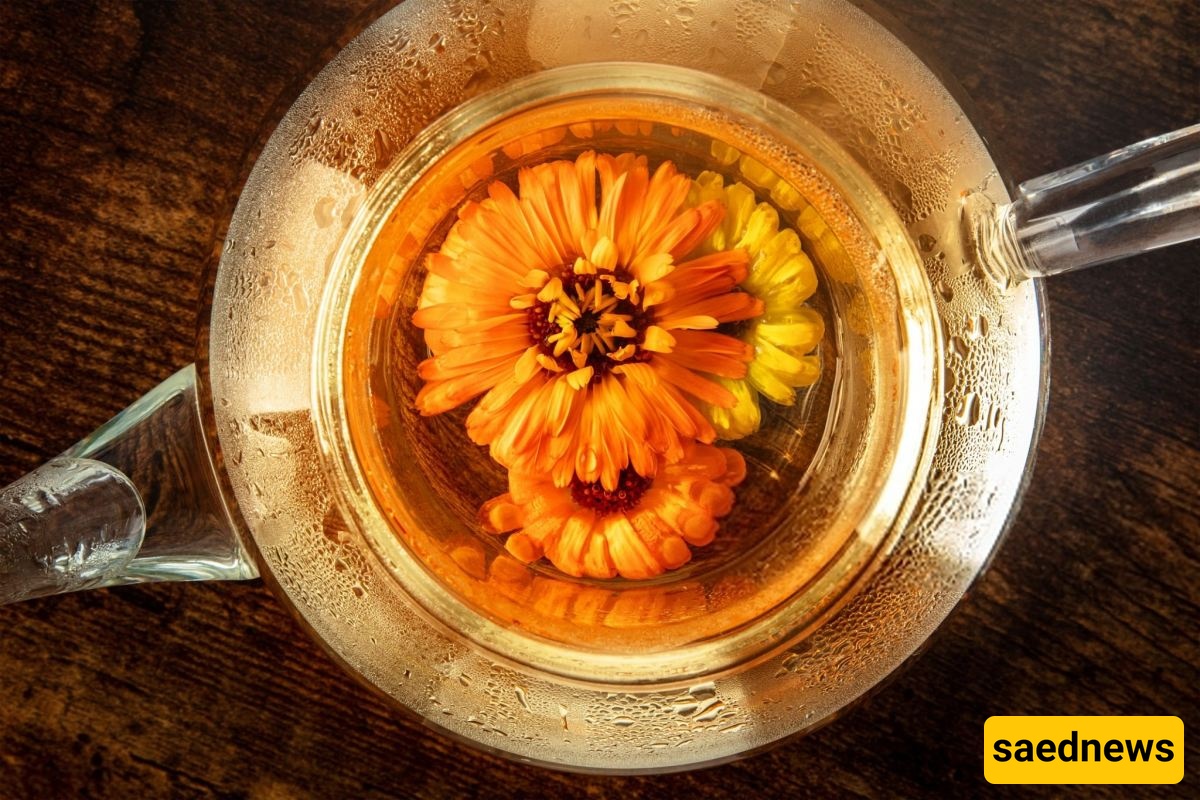
The potential benefits of calendula tea are associated with several naturally occurring bioactive compounds, including:
Flavonoids: Such as quercetin, luteolin, and rutin, which have antioxidant and anti-inflammatory properties.
Carotenoids: Including lycopene and beta-carotene, compounds associated with vitamin A activity and eye and skin health.
Triterpenoid saponins: Compounds studied for their anti-inflammatory, antifungal, and immune-modulating properties.
Volatile oils: Including monoterpenes and sesquiterpenes, which contribute to the plant’s aroma and may have antimicrobial activity.
Mucilage: A gelatinous substance that may help soothe the lining of the stomach and intestines.
Tannins: Astringent compounds traditionally associated with skin health and wound care.
Together, these compounds may contribute to the broad range of traditional uses associated with calendula.
Potential Health Benefits of Calendula Tea
Regular consumption of calendula tea may provide several potential wellness benefits. However, it should be viewed as a complementary herbal beverage rather than a replacement for medical treatment.
One of the traditionally recognized characteristics of calendula is its potential immune-supporting activity. Laboratory research has investigated compounds in calendula extracts for their effects on immune cells, including macrophages and lymphocytes.
Because these cells play important roles in the body’s defense system, calendula has attracted interest as a natural source of immune-supportive compounds. Its antioxidant components may also help protect cells from oxidative stress.
However, evidence that calendula tea itself can prevent colds, influenza, or other infections in humans remains limited.
Calendula tea has traditionally been used for digestive discomfort, including bloating, indigestion, and stomach irritation.
Its soothing and anti-inflammatory properties may help support the digestive tract, while the plant’s mucilage content may provide a gentle protective effect on mucous membranes. Calendula has also traditionally been used as a mild antispasmodic herb for digestive discomfort.
Although calendula is sometimes recommended for conditions such as irritable bowel syndrome (IBS), stronger clinical evidence is still needed before it can be considered an established treatment.
Calendula contains flavonoids and triterpenoid compounds that have demonstrated anti-inflammatory activity in laboratory and animal studies.
These compounds have been investigated for their ability to influence inflammatory pathways, including enzymes involved in the production of inflammatory mediators.
As a result, calendula may have potential as a complementary herb for general inflammatory conditions. Claims that calendula tea can specifically treat rheumatoid arthritis or osteoarthritis, however, should be interpreted cautiously because human clinical evidence remains limited.
Calendula is particularly well known for its topical applications in creams, ointments, and other skin-care products.
Its antioxidant compounds may help protect cells from oxidative stress, while its traditionally recognized soothing properties make it popular in products designed for irritated or damaged skin.
Calendula is also being investigated for antimicrobial and wound-supporting effects. However, topical calendula preparations and calendula tea are not equivalent, and evidence for skin benefits from drinking the tea is much less established.
Calendula has a long history of traditional use in women's health. It has sometimes been used traditionally for menstrual discomfort and other symptoms associated with the menstrual cycle.
However, claims that calendula can regulate estrogen and progesterone levels, relieve PMS, or reduce menopausal hot flashes require more high-quality human research.
Because herbal products may interact with medications or have effects during pregnancy, pregnant women and people receiving hormone-related treatment should consult a healthcare professional before using calendula medicinally.
Preparing calendula tea at home is straightforward. The quality of the flowers, water temperature, and steeping time can all influence the flavor of the finished drink.
Dried calendula petals: 1–2 tablespoons (approximately 5–10 grams)
Boiling water: 1 cup (250 ml)
Honey or rock sugar: Optional, according to taste
Fresh lemon juice: Optional
If using fresh calendula flowers, approximately 3–4 whole flowers can be used, provided they are clean and suitable for culinary use.
1. Prepare the flowers
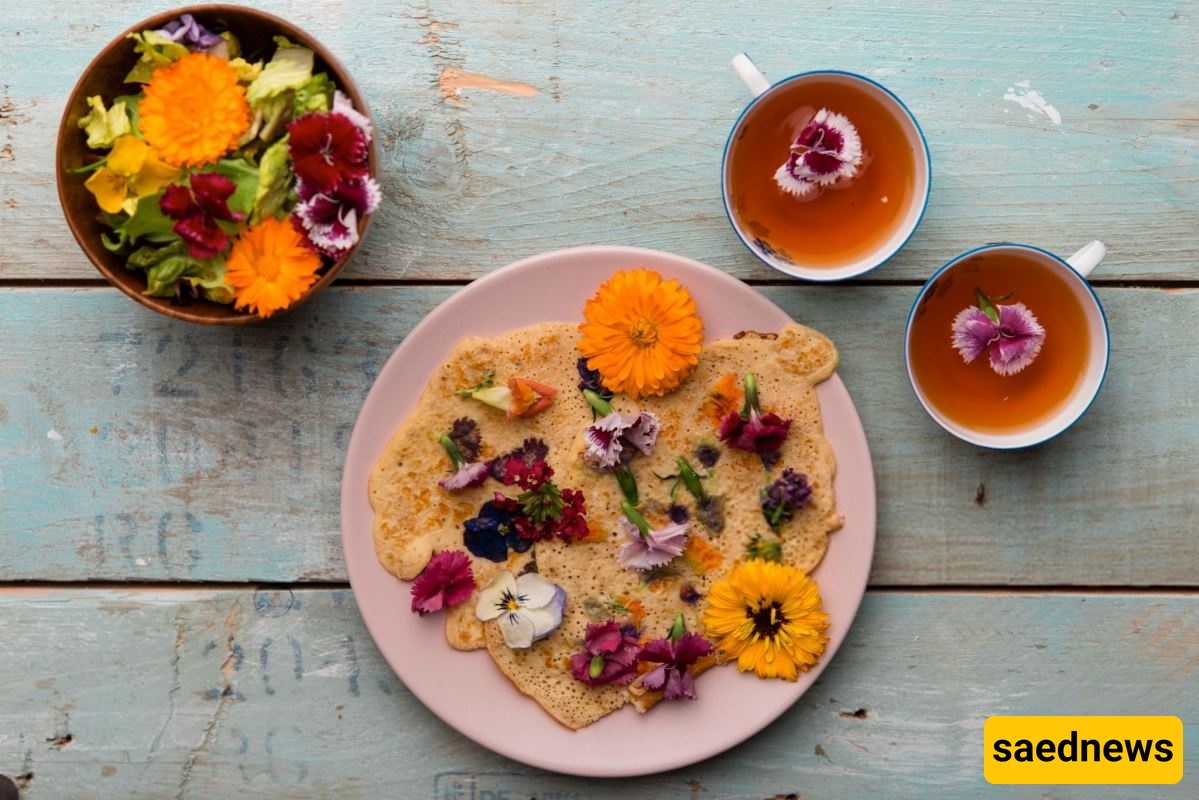
If using dried flowers, make sure they are clean and free from contaminants. Fresh flowers should be gently rinsed with cool water and allowed to dry. Separate the petals from the flower base, particularly when using fresh flowers, and avoid unnecessary green plant material.
2. Heat the water
Bring the water to a boil and allow it to cool briefly for around 30–45 seconds. Water at approximately 90–95°C (194–203°F) is suitable for steeping.
3. Steep the calendula
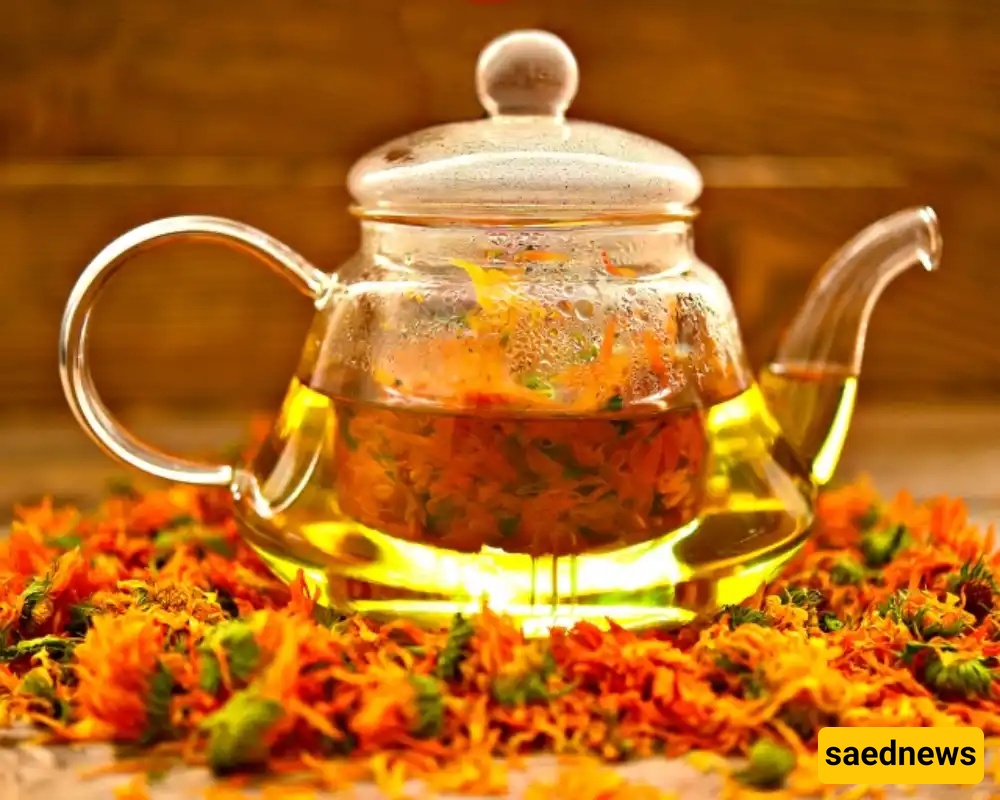
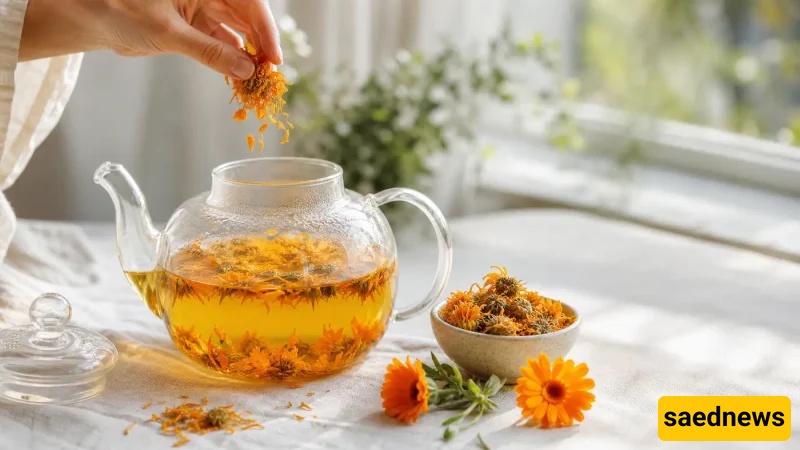
Place the petals in a teapot or heat-resistant glass. Pour the hot water over the flowers and immediately cover the container to help retain the aromatic volatile compounds.
4. Allow it to steep
Let the tea steep for approximately 10–15 minutes. A shorter steep of around 7 minutes can be used if preferred, although the flavor and strength may be lighter.
5. Strain and serve
Strain the tea through a tea strainer or clean filter and serve warm.
How to Improve the Flavor
Calendula tea can have a mildly bitter and earthy flavor. Honey or another sweetener can make it more pleasant. Allow the tea to cool somewhat before adding honey if you want to avoid exposing the honey to high temperatures.
A few drops of fresh lemon juice can brighten the flavor and add acidity to the drink.
Calendula can be combined with other herbal ingredients for a different flavor profile. Popular combinations include:
Chamomile for a calming herbal blend
Peppermint for a refreshing taste
Rose petals for a floral aroma
Keep the total quantity of dried herbs moderate when preparing a single cup.
Calendula can also be enjoyed as a refreshing iced tea during warmer weather.
Add 2 tablespoons of dried calendula to 1 cup of hot water.
Steep for approximately 15 minutes.
Strain the tea and transfer it to a pitcher.
Add cold water and ice.
Sweeten with honey if desired.
Add a few lemon slices for extra flavor.
For presentation, edible calendula petals can also be frozen into ice cubes.
Choose quality flowers: Store dried calendula in a cool, dry place away from direct sunlight. The flowers should retain a noticeable color and aroma.
Keep the container covered: Covering the teapot while steeping helps retain volatile aromatic compounds.
Avoid using aggressively boiling water: Allow freshly boiled water to cool slightly before pouring it over the flowers.
Use suitable cookware: Heat-resistant glass or ceramic is generally preferable for preparing herbal infusions.
Recommended Amount
For general herbal-tea use, 1–2 cups per day is a commonly suggested amount. Some traditional practices recommend avoiding more than 3 cups daily.
There is no universally established therapeutic dosage for calendula tea, so medicinal use should be discussed with a qualified healthcare professional, particularly when treating a specific condition.
Although calendula is commonly used as an herbal ingredient, it is not suitable for everyone.
Pregnancy: Medicinal use of calendula during pregnancy should be avoided unless specifically recommended by a healthcare professional because safety data are insufficient.
Allergies: People allergic to plants in the Asteraceae family, including chamomile, chrysanthemums, daisies, or sunflowers, may be more likely to experience an allergic reaction to calendula.
Medications: If you take blood-thinning medicines, sedatives, or other regular medications, consult your doctor or pharmacist before using calendula medicinally.
Before surgery: Because of possible interactions with medications and uncertainty about its effects on bleeding and sedation, discuss calendula use with your healthcare provider before surgery and follow their instructions about when to stop herbal products.
Calendula tea is a traditional herbal infusion with a long history of use and a range of naturally occurring compounds, including flavonoids, carotenoids, triterpenoids, tannins, and volatile oils. Its traditional applications include digestive comfort, inflammation, immune support, and skin health.
While laboratory and traditional evidence is promising in several areas, not all claimed benefits of drinking calendula tea have been confirmed through high-quality human clinical trials. For this reason, calendula tea is best considered a complementary wellness beverage rather than a substitute for professional medical care.