SAEDNEWS: A deficiency in some important and essential vitamins in the body can lead to problems with our teeth. For this reason, it is important to maintain these vitamins at an appropriate level in the body.

According to Saednews, Fortunately, you can maintain healthier teeth and gums by following certain practices. Brushing and flossing are essential habits that should always be followed, but providing your body with the necessary vitamins and minerals is also a highly effective way to support oral health. Below are the key nutrients essential for healthy teeth and gums.
Vitamin A is found in foods like carrots and is well known for supporting vision, but more importantly, it helps produce saliva. Saliva helps cleanse the mouth and gums, removing debris and protecting teeth from acidic foods and harmful bacteria.
Sources of Vitamin A include carrots, oranges, bell peppers, sweet potatoes, spinach, egg yolks, and fish.

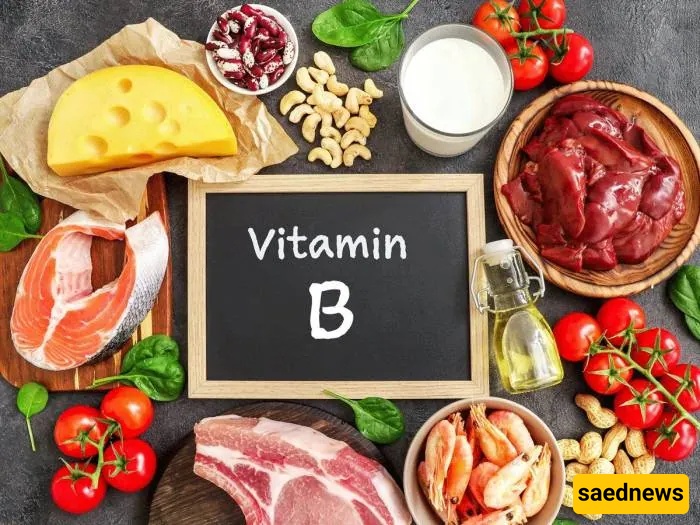
B vitamins regulate cellular metabolism and help reduce issues such as mouth irritation and inflammation. They also support gum health and help reduce gum inflammation.
Key B vitamins include niacin and riboflavin, found in foods such as almonds, dairy products, fish, red meat, and spinach.
Vitamin C is essential for strengthening connective tissues around the gums. A deficiency can lead to loose teeth, gum bleeding, and an increased risk of periodontal disease.
Sources include citrus fruits, broccoli, lemons, oranges, potatoes, and strawberries.

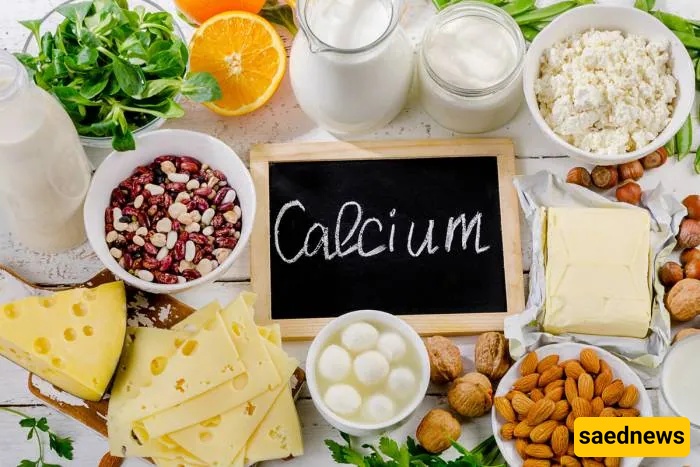
Calcium is a vital mineral that strengthens bones. About 99% of the body’s calcium is stored in bones and teeth, making it essential for dental health.
Good sources include leafy green vegetables, unsweetened dairy products, and nuts.
Phosphorus helps the body absorb calcium. Without it, calcium cannot effectively support healthy teeth and gums.
It is found in dairy products as well as red meat, lentils, beans, nuts, and whole grains.

Vitamin D is one of the most important vitamins for the body as it helps absorb calcium and phosphorus more effectively.
It is found in dairy products, fatty fish such as salmon, and fish oil. The body can also produce vitamin D through about 15 minutes of direct sunlight exposure.

Vitamin E is a powerful antioxidant that helps fight periodontal disease and prevents inflammation in the mouth.
It is found in avocados, fish, nuts, seeds, vegetable oils, and wheat.

Iron helps maintain healthy red blood cell levels and strengthens the immune system, which helps fight infections affecting oral health.
Sources include seafood, whole grain bread, leafy greens, and red meat.

Potassium supports oral and bone health and helps prevent weakening of the jawbone. It also plays a role in controlling bleeding, including gum bleeding.
It is found in foods such as mushrooms, leafy vegetables, yogurt, bananas, and avocados.

Fluoride helps prevent plaque buildup and protects against tooth decay. It is one of the most effective elements for dental protection.
It is commonly found in drinking water, black tea, and seafood.

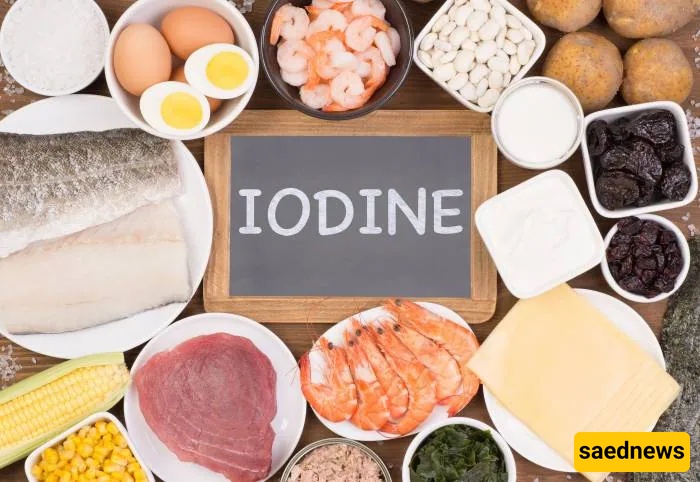
Iodine is needed in small amounts in the body. Along with phosphorus and vitamin D, it helps improve calcium absorption and supports thyroid function, which regulates metabolism.
It is found in seafood and garlic.
Zinc is naturally present in saliva and helps fight bacteria and plaque in the mouth. It also helps prevent tooth decay and gum disease.
Sources include tree nuts, dark chocolate, and various vegetables.