SAEDNEWS: Healthy seedlings have strong stems, healthy roots, and clean foliage. Checking these features before purchase can improve the chances of successful establishment after planting.
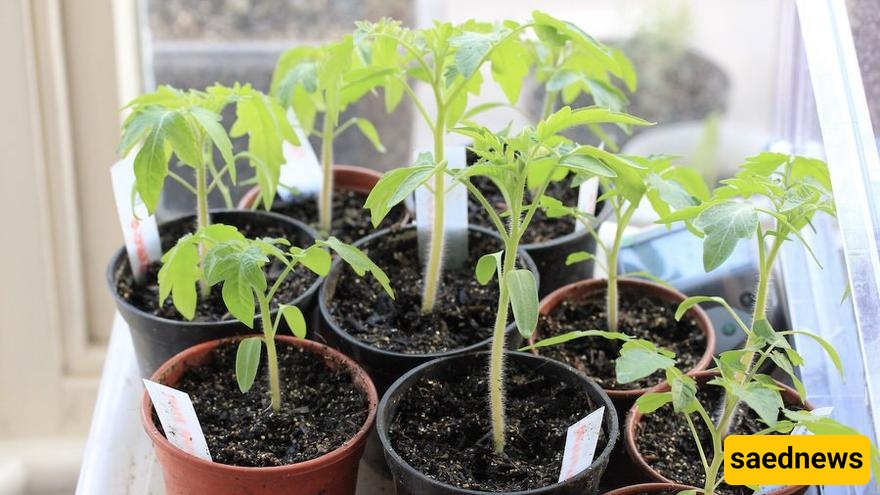
According to SAEDNEWS, choosing a healthy seedling starts with a careful inspection rather than simply selecting the largest or most attractive plant. A good seedling should have balanced growth, firm stems, healthy leaves, and a root system appropriate for its container.
Start by examining the stem and foliage. The stem should be sturdy enough to support the plant without appearing unusually thin, weak, or damaged. Leaves should generally have a healthy appearance for the species, without extensive yellowing, wilting, holes, or unexplained spots.
Pay particular attention to signs that may indicate pests or disease. Look underneath the leaves and around the stems for insects, webbing, sticky residue, unusual discoloration, or visible lesions. Avoid seedlings with significant damage or obvious signs of infestation, especially if they would be planted near other plants.
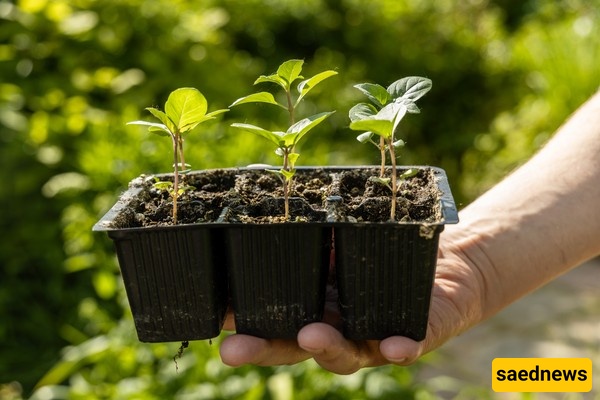
The root system can reveal problems that are not visible from above. If the nursery allows inspection, roots should appear healthy and reasonably well distributed through the growing medium. Avoid plants with roots that are dark, soft, unpleasant-smelling, or visibly decaying.
A seedling that has been in a container for too long may also have severely circling or densely tangled roots. Some degree of root growth around a container can be normal, but an extremely congested root system may require careful handling when planting.
Before buying, use this quick checklist:
Strong stem: Firm and well developed for the plant's size.
Healthy foliage: Leaves show normal color and development for the species.
No major pest damage: Check both the upper and lower leaf surfaces.
No obvious disease symptoms: Avoid extensive spots, rot, or abnormal growth.
Healthy roots: Look for firm, living roots rather than widespread decay.
Balanced shape: Prefer naturally developed plants over unusually stretched or weak growth.
Suitable size: A larger seedling is not automatically a better choice.
The condition of the nursery or garden center can also provide useful clues. Plants should be appropriately watered and maintained, while containers and growing areas should appear reasonably clean and organized. Seedlings showing widespread stress, wilting, or disease across a group deserve extra caution.
Finally, choose a seedling that matches the planting site. Consider the species' requirements for sunlight, soil, temperature, and available space before purchasing. A healthy plant can still struggle if it is placed in conditions that do not suit its needs.