SAEDNEWS: Snake plants are generally easy to care for, but improper watering, poor lighting, and unsuitable soil can still cause problems. Avoiding a few common care mistakes can help keep the plant healthy and attractive.
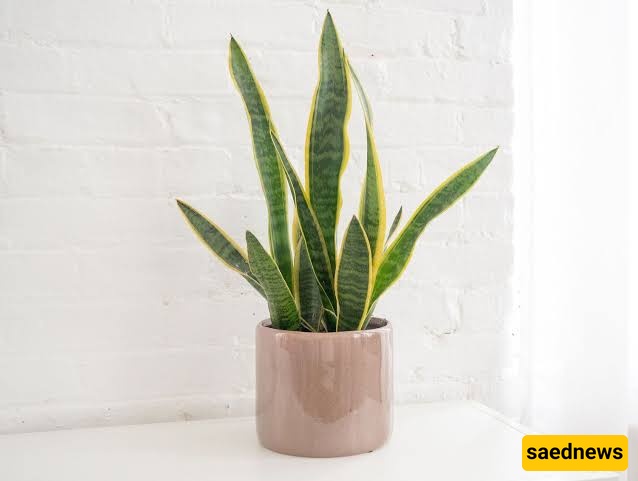
According to SAEDNEWS, snake plants (Dracaena trifasciata) are known for tolerating a range of indoor conditions, but their reputation as low-maintenance plants does not mean they can thrive under every type of care. Most problems develop when basic needs such as watering, light, drainage, and temperature are overlooked.
One of the most common mistakes is treating a snake plant like a plant that needs frequent watering. Its thick leaves and rhizomes allow it to store water, so constantly moist soil can create unfavorable conditions for the roots.
Instead of following a fixed watering schedule, check the soil first. Allow the soil to dry substantially between waterings, and make sure excess water can drain freely from the pot.
A decorative container without drainage holes can allow water to collect around the roots. Even if the plant is watered carefully, trapped moisture can remain in the lower part of the container.
A suitable pot should:
Have drainage holes at the bottom
Allow excess water to escape
Be appropriately sized for the plant
Not leave the roots sitting in collected water
Snake plants can tolerate relatively low indoor light, but tolerance is not the same as ideal growth conditions. Extremely dark locations may result in slower growth, while some variegated varieties may show less pronounced coloration.
A spot with suitable indirect light can support healthier growth. If the plant has been kept in a very dark area, move it gradually toward a brighter location rather than exposing it suddenly to intense direct sunlight.
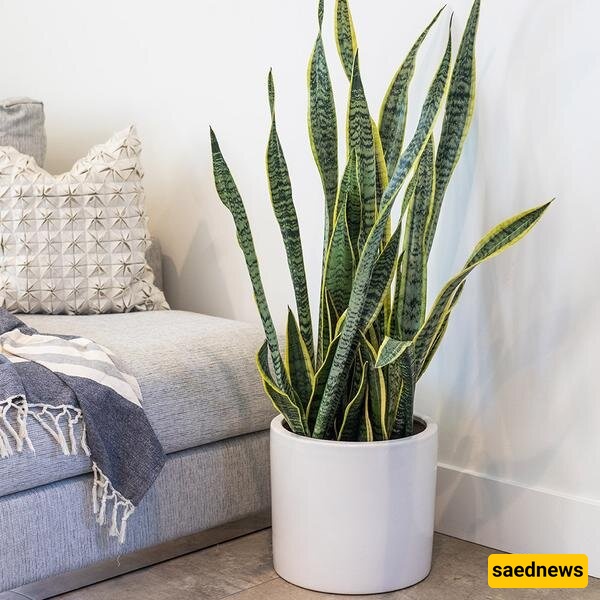
Dense soil that stays wet for long periods can make watering more difficult to manage. Snake plants generally benefit from a well-draining growing medium that does not remain saturated after watering.
The container and growing medium should work together to allow excess moisture to move away from the roots.
Snake plants are indoor plants that generally prefer stable, moderate conditions. Placing them directly beside cold drafts, heating vents, or other sources of sudden temperature changes can put unnecessary stress on the plant.
Keep the pot away from locations where temperatures fluctuate sharply, particularly during colder months.
A change in leaf color should be considered alongside the plant's overall condition. Yellowing leaves can occur for different reasons, and automatically adding more water may make the underlying problem worse if excess moisture is already involved.
Look at several factors together, including:
Soil moisture
Drainage
Light exposure
Recent watering
The condition of the leaves and roots
Rather than relying on frequent intervention, snake plants usually benefit from a simple routine: provide suitable light, use well-draining soil and a container with drainage, and check the soil before watering. Regular observation is more useful than following a rigid watering calendar because indoor conditions can vary considerably.
With these basic adjustments, many of the most common care problems can be avoided without complicated maintenance.