SAEDNEWS: Yellowing leaves, weak growth, and leaning stems can indicate that a houseplant is receiving too little light.
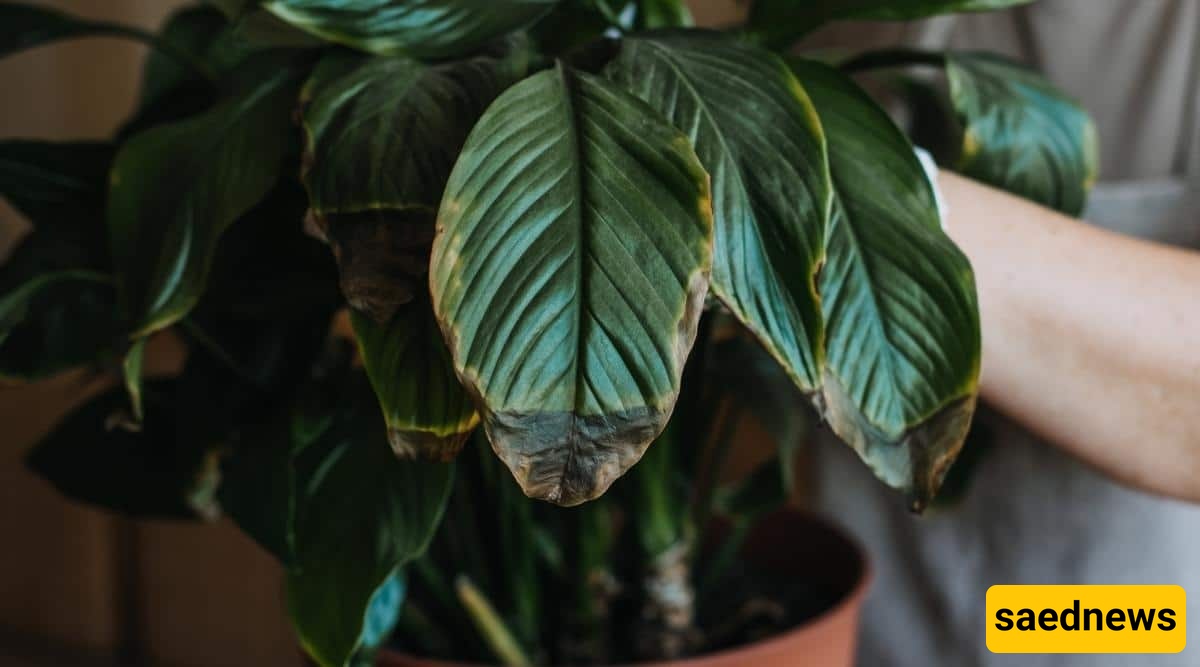
According to SAEDNEWS, light is essential for photosynthesis, so inadequate light can gradually affect a plant’s growth, leaf color, and overall appearance. While the exact requirements vary among species, several visible changes can suggest that a plant is struggling to get enough light.
Look for these changes, particularly when they appear together:
Slow or limited new growth
Long, thin stems
Large gaps between leaves
Leaves becoming smaller than usual
The plant leaning toward a window or another light source
Loss of normal leaf color
Older leaves turning yellow or dropping
One of the clearest signs is elongated, sparse growth, often called etiolation. When light is insufficient, some plants produce longer stems as they grow toward a stronger light source. The result can be a plant that looks unusually stretched rather than compact and full.
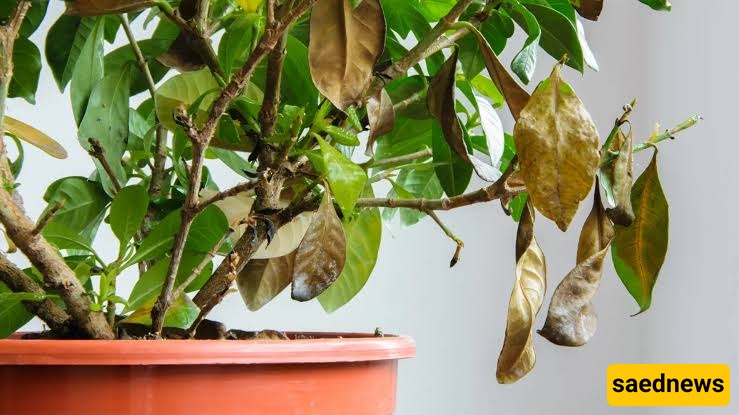
Low light can also affect the appearance of foliage. A plant may produce smaller leaves or develop less dense growth than expected. In variegated plants, insufficient light can sometimes contribute to reduced expression of variegated patterns because the plant needs adequate light to maintain active growth.
Yellow leaves, however, should not automatically be blamed on low light. Overwatering, poor drainage, nutrient problems, aging leaves, and other environmental stresses can produce similar symptoms. Looking at several signs together is more useful than relying on a single change.
A noticeable lean toward a window is another useful clue. Plants naturally respond to the direction of available light, and a strong directional light source can cause stems and leaves to orient toward it. If the plant is consistently reaching toward one side of the room while growth remains sparse, its lighting conditions may need attention.
Before moving the plant, consider three factors:
Species requirements: Some plants naturally tolerate lower light, while others require much brighter conditions.
Distance from the window: Light intensity generally decreases as a plant is moved farther from a light source.
Obstructions: Curtains, nearby buildings, trees, or other objects can reduce the amount of usable light reaching the leaves.
If the plant appears to be receiving inadequate light, gradually move it to a brighter location that matches its species requirements rather than placing every plant directly in intense sunlight. Sudden changes can also stress some plants.
A useful approach is to monitor new growth after adjusting the lighting. Existing stretched stems or damaged leaves may not immediately return to their previous appearance, but healthier new growth can provide a better indication of whether the new conditions are suitable.