SAEDNEWS: The piano is considered one of the earliest technological inventions and one of the oldest musical instruments still in use today.
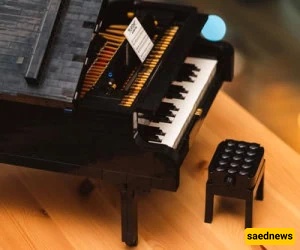
According to Saednews, The history of the piano began in late medieval Italy with the earliest stringed instruments that were played using a keyboard. This invention captured the imagination of European instrument makers, who quickly developed it into one of the world’s most beloved musical instruments—the modern piano.
The timeline of the piano can be traced back more than 2,500 years, evolving from early hammered string instruments such as the dulcimer. These simple instruments became the main inspiration for Italian musical innovators, who, over the past 600 years, transformed them into the piano and revolutionized the world of music.
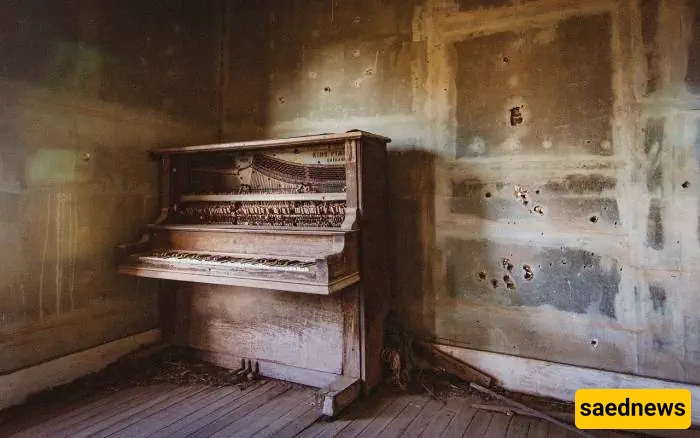
The piano’s origins are closely linked to earlier keyboard instruments such as the clavichord and the harpsichord, which existed around the 15th century. While these instruments shared similarities with the piano, they lacked its dynamic range and expressive capability.
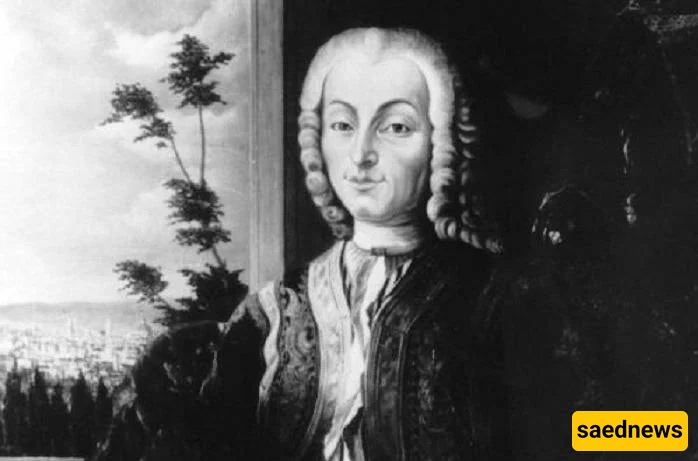
The modern piano was invented by Bartolomeo di Francesco Cristofori, an Italian instrument maker. Born in 1655 and passing away in 1731, Cristofori is widely recognized as the true inventor of the piano. He designed the earliest version of the “pianoforte,” an instrument capable of producing both soft and loud sounds depending on how the keys were pressed.
Around the year 1700, the first known piano was discovered in a noble Italian household, suggesting that Cristofori likely developed the instrument around 1698. He built several early pianos, some of which still exist today and date back to around 1727.
Early pianos were quite different from modern instruments. They had a simpler structure and limited sound control. Unlike the harpsichord, however, Cristofori’s invention allowed musicians to control volume and expression, making music more emotional and dynamic.
Over the following centuries, the piano underwent significant improvements:
In the early 19th century, instrument makers such as Sébastien Érard improved the action mechanism, allowing faster note repetition and greater technical capability.
Henry Pape introduced stronger construction materials and leather-covered components, expanding the dynamic range of the instrument.
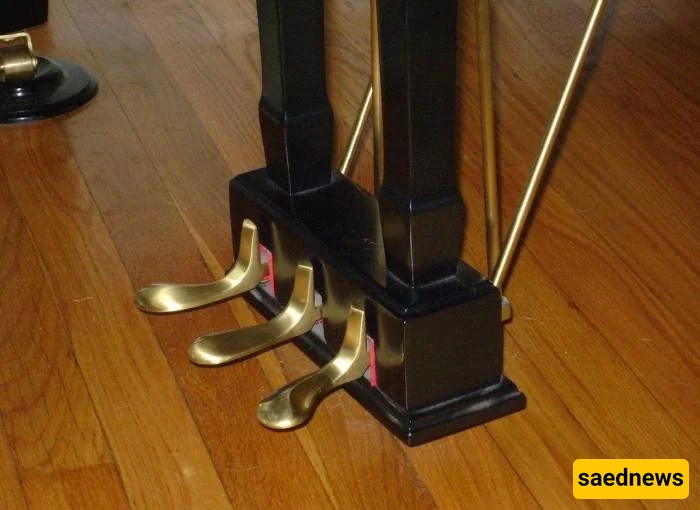
In 1844, Jean-Louis Boisselot developed the piano pedal system, which became essential in modern piano performance.
Other innovations also emerged, including early movable-keyboard pianos in 1801 and self-playing mechanisms in the 19th century. Upright pianos were first developed in the 18th century and later refined into the modern vertical piano design.
Although Cristofori is credited as the inventor of the piano, many inventors contributed to its evolution over time. The instrument we know today is the result of centuries of innovation, refinement, and artistic inspiration, making the piano one of the most important and influential instruments in music history.