SAEDNEWS: This comprehensive article explores some of the best natural beverages that may help reduce symptoms of depression and anxiety, from herbal teas and green tea to golden milk. It also highlights drinks that may be best avoided for better mental well-being.
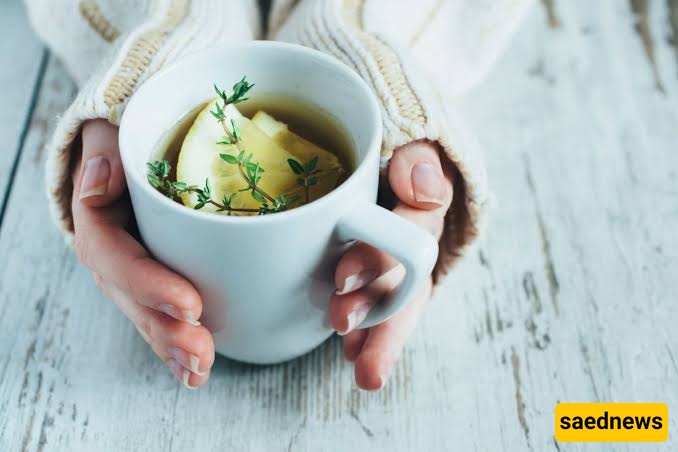
According to Saednews, The human brain is made up of approximately 75–80% water and requires adequate hydration to function properly. Even mild dehydration—around 1–2%—may contribute to reduced concentration, fatigue, headaches, and worsening symptoms of depression and anxiety. Beyond water itself, certain compounds found in beverages, including antioxidants, amino acids, vitamins, and minerals, may influence neurotransmitters such as serotonin, dopamine, and gamma-aminobutyric acid (GABA).
For people experiencing anxiety or depression, beverages containing compounds that may support relaxation, help regulate the body's stress response, and contribute to healthy neurotransmitter function can be useful additions to a balanced lifestyle. Here are some options worth considering.
Chamomile is one of the best-known herbs traditionally used to promote relaxation. Some research suggests that chamomile may help reduce symptoms of generalized anxiety. One of its active compounds, apigenin, interacts with receptors in the brain associated with relaxation.
Chamomile may also support better sleep, which is particularly important for people experiencing depression or anxiety. Drinking a cup about 30 minutes before bedtime may be a relaxing part of an evening routine.
Lavender is known for its pleasant aroma and calming properties. Some studies suggest that lavender preparations may help reduce anxiety and support a more balanced mood.
Lavender tea can be enjoyed in the evening as part of a relaxing routine. However, concentrated lavender products or large amounts should not be used for extended periods without professional medical advice, particularly because lavender may cause drowsiness in some people.
Lemon balm, also known as melissa, is another herb traditionally used to promote calmness. It may influence GABA activity in the brain, a neurotransmitter involved in reducing nervous-system excitability.
Lemon balm may be particularly helpful for people who experience restlessness or mental tension associated with anxiety. It can be a suitable afternoon beverage when mental fatigue or irritability begins to appear.
Valerian root has been traditionally used for centuries to support relaxation and sleep. Its effects are thought to be related, in part, to its influence on GABA activity.
For people whose anxiety or depression is accompanied by sleep difficulties, valerian may be worth discussing with a healthcare professional. Its effects can vary from person to person, and it may interact with certain medications or cause drowsiness.
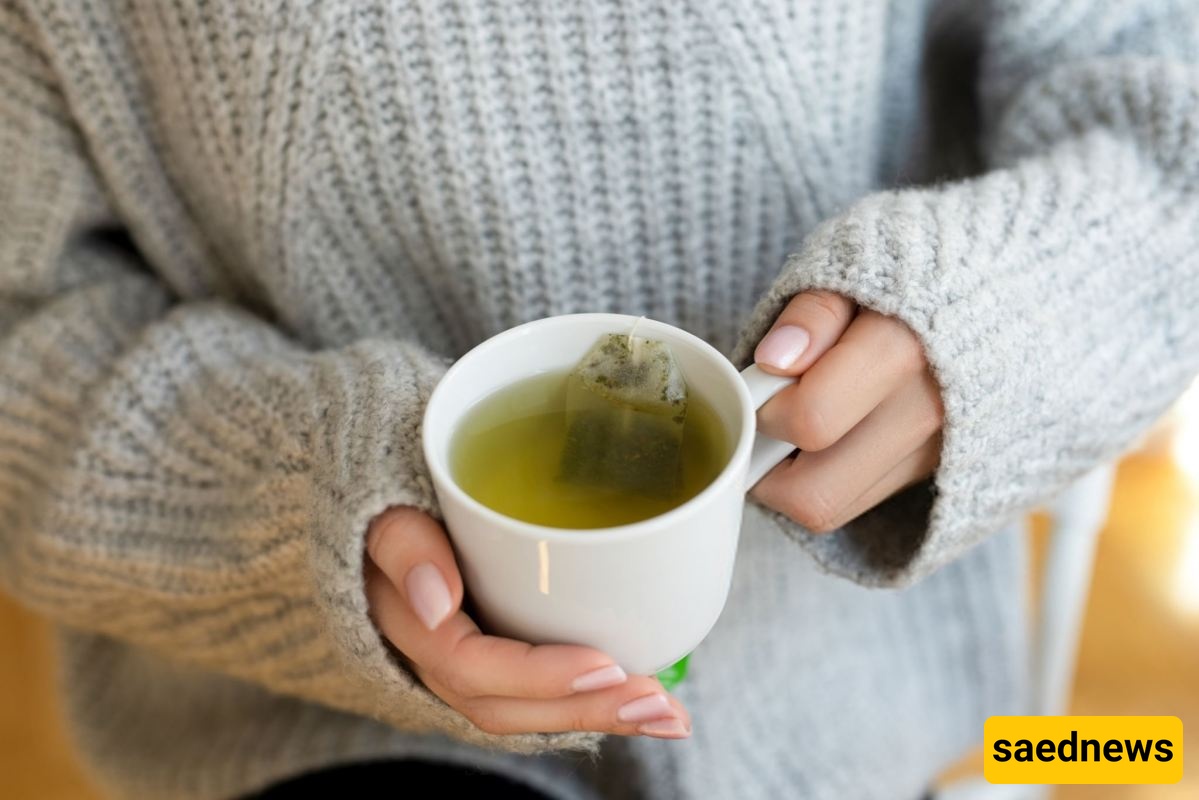
Green tea can be a reasonable beverage choice for some people with anxiety or low mood when consumed in moderation. Its distinctive combination of caffeine and the amino acid L-theanine may promote alertness while supporting a calmer state of mind.
L-theanine has been associated with relaxed mental alertness, while the caffeine in green tea can improve attention and energy. Green tea also contains antioxidants, including epigallocatechin gallate (EGCG), which help protect cells from oxidative stress.
However, people who are particularly sensitive to caffeine may experience increased anxiety, restlessness, or difficulty sleeping. In such cases, caffeine intake should be reduced.
A warm drink made with unsweetened cocoa can be an enjoyable option for supporting overall well-being. Cocoa contains several compounds that may influence mood and brain function, including tryptophan and various polyphenols.
For the greatest nutritional benefit, choose unsweetened cocoa or dark chocolate with a high cocoa content rather than heavily sweetened chocolate drinks. Excessive added sugar can cause rapid fluctuations in blood glucose and may negatively affect energy and mood.
Warm milk has long been used as a comforting bedtime drink. Milk provides nutrients such as protein, calcium, and tryptophan, which are involved in various processes related to normal brain and nervous-system function.
Another option is "golden milk," traditionally made with milk or a plant-based alternative, turmeric, and a small amount of black pepper. Turmeric contains curcumin, a compound with anti-inflammatory and antioxidant properties.
Although some research has investigated curcumin as a potential supportive approach for depression, it should not be considered a replacement for established treatments such as psychotherapy or prescribed medication.
Adequate hydration is one of the simplest ways to support both physical and mental functioning. Dehydration can contribute to symptoms such as headaches, tiredness, difficulty concentrating, and general discomfort, which may sometimes feel similar to or worsen anxiety symptoms.
Regularly drinking water throughout the day is therefore important. Individual fluid needs vary depending on factors such as body size, activity level, climate, diet, and medical conditions.
Natural coconut water is another option because it contains electrolytes such as potassium and magnesium. However, it should be viewed as one possible source of fluids and electrolytes rather than a special treatment for anxiety or depression.
Homemade smoothies can provide a convenient combination of nutrients that support overall health. A balanced smoothie might include:
Bananas: A source of vitamin B6 and other nutrients involved in normal neurotransmitter metabolism.
Nuts and seeds: Foods such as walnuts and pumpkin seeds provide magnesium, zinc, healthy fats, and other nutrients.
Probiotic yogurt: Fermented dairy products can support a healthy gut microbiome, which is connected to the brain through the gut-brain axis.
Spinach: A good source of folate and other micronutrients.
Blending these ingredients with milk or water can create a nutritious drink, particularly on days when low mood or lack of appetite makes it difficult to eat a full meal.
Just as some beverages can fit into a healthy lifestyle, others may aggravate symptoms in certain people.
Coffee, energy drinks, and other highly caffeinated beverages can temporarily increase alertness, but excessive caffeine may trigger or worsen anxiety, rapid heartbeat, trembling, and restlessness in sensitive individuals.
A commonly cited upper limit for healthy adults is about 400 mg of caffeine per day, although people with anxiety, certain medical conditions, pregnancy, or caffeine sensitivity may need considerably less.
Soft drinks and other beverages high in added sugar can cause rapid changes in blood glucose levels. Frequent consumption of large amounts of added sugar may also negatively affect overall health and energy levels.
Choosing water, unsweetened tea, or other low-sugar alternatives can be a better everyday option.

Using alcohol as a way to calm anxiety can be counterproductive. Although alcohol may initially create a feeling of relaxation, it can interfere with sleep, affect mood, and contribute to problems with anxiety over time.
Alcohol can also interact dangerously with many antidepressants, anti-anxiety medications, sleeping pills, and other medicines. Anyone taking psychiatric medication should discuss alcohol use with their healthcare professional.
Black tea and other caffeinated beverages can also increase alertness. While they may contain less caffeine than some types of coffee, they can still cause anxiety or interfere with sleep in sensitive individuals.
Avoiding caffeine later in the day may help people who struggle with insomnia or nighttime anxiety.
Supporting mental health involves more than medication or appointments with a mental-health professional. Everyday habits—including hydration, nutrition, sleep, physical activity, and beverage choices—can also contribute to overall well-being.
Herbal teas such as chamomile, lavender, lemon balm, and valerian can be incorporated into a relaxing routine. Green tea may provide a combination of moderate caffeine and L-theanine, while unsweetened cocoa, nutritious smoothies, and adequate water can provide valuable nutrients and hydration.
At the same time, excessive caffeine, heavily sweetened beverages, and alcohol are best limited, particularly when they worsen anxiety, sleep problems, or mood.
It is important to remember that these beverages are not treatments or cures for depression or anxiety. They may complement a healthy lifestyle, but they should not replace professional medical care, prescribed medication, or psychotherapy.
If you are experiencing persistent depression or anxiety, speak with a qualified healthcare professional. Small lifestyle changes can be helpful, but appropriate treatment and support remain essential.
Sometimes, something as simple as a warm cup of caffeine-free herbal tea can become a comforting part of a healthier daily routine—but lasting mental well-being requires a broader approach that includes proper care, patience, sleep, nutrition, and emotional support.