SAEDNEWS: Steaming is a healthy cooking method, but different vegetables require different steaming times. Adjusting the cooking method for each type helps preserve flavor, texture, color, and nutrients.
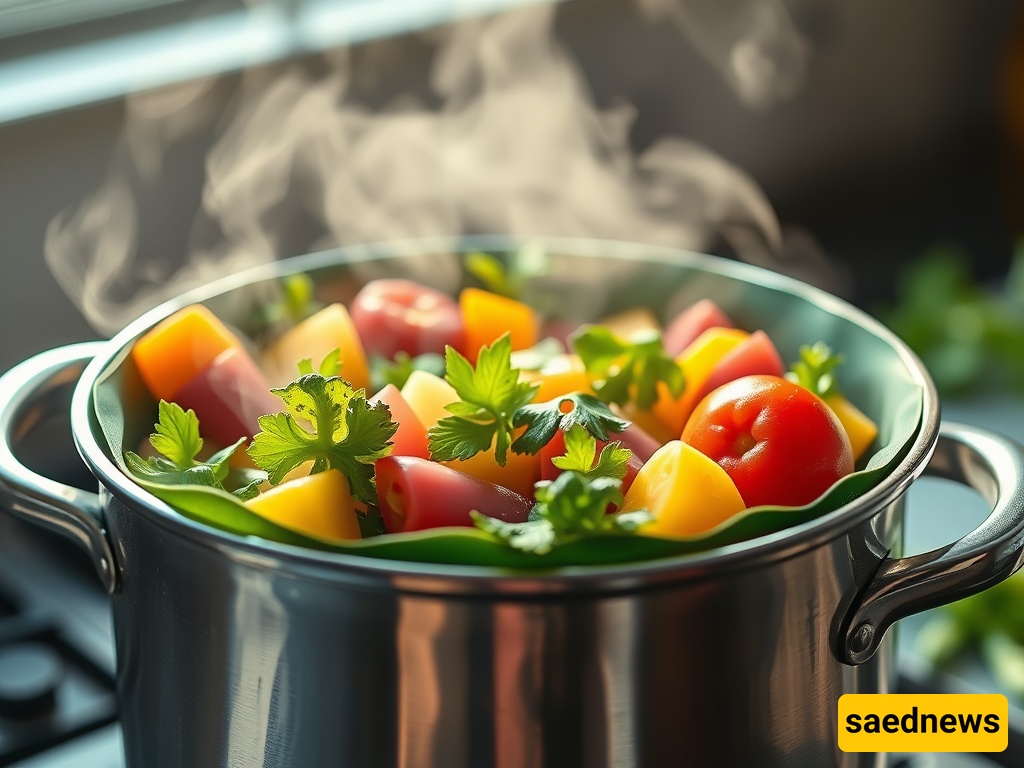
According to SAEDNEWS, vegetables are not all built the same. Dense vegetables such as carrots, sweet potatoes, and cauliflower require more time to soften because of their firm cell structure. In contrast, delicate vegetables like spinach, zucchini, and asparagus cook much faster. Using one steaming method for every vegetable often results in some becoming overcooked while others remain too firm.
Water-soluble vitamins, particularly vitamin C and certain B vitamins, are sensitive to heat. Over-steaming delicate vegetables can reduce their nutritional value, while under-steaming tougher vegetables may leave them difficult to digest. Adjusting cooking times helps retain more nutrients and ensures every vegetable reaches its ideal texture.
Each vegetable develops its best taste when steamed correctly. Broccoli becomes bright green and slightly crisp with a short steaming time, while green beans remain fresh and flavorful when they are not overcooked. Root vegetables need longer steaming to become naturally sweet and tender. Matching the cooking time to the vegetable creates a more enjoyable eating experience.
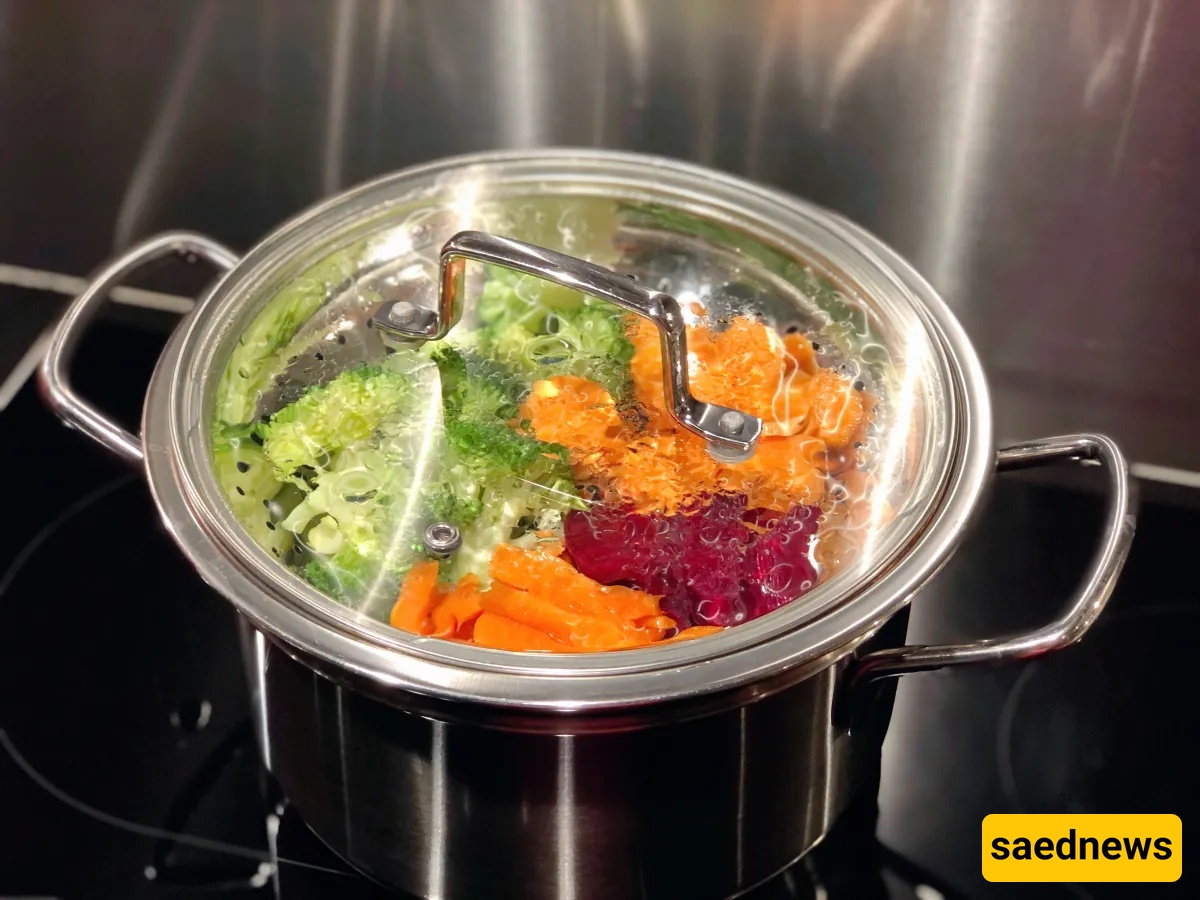
If you want to steam several vegetables together, add the firmest vegetables to the steamer first. After a few minutes, add medium-density vegetables, followed by leafy greens or other delicate vegetables near the end. This simple technique allows every ingredient to finish cooking at the same time without sacrificing quality.
Steaming is most successful when you consider the unique characteristics of each vegetable instead of treating them all alike. Group vegetables by density, cut them into similar-sized pieces, and monitor cooking times carefully. With these small adjustments, you can preserve vibrant colors, maintain appealing textures, and enjoy vegetables that are both nutritious and delicious.