SAEDNEWS: A city shaped by centuries of Spanish and Arab influence, Granada combines a rich historical heritage with distinctive architecture. This unique blend of cultures and history has made Granada one of the most fascinating travel destinations in Spain and around the world.
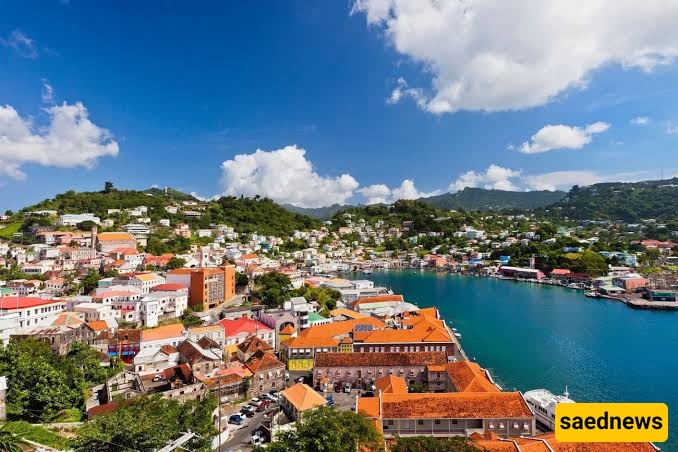
According to Saednews, Granada is one of Spain’s most historically significant and popular tourist cities, known for its remarkable monuments and distinctive cultural heritage. Until 1492, the city was under Muslim rule as part of Al-Andalus, the name used by Muslims for parts of the Iberian Peninsula, particularly areas of present-day southern Spain and southeastern Portugal. The influence of that period can still be seen today in Granada’s blend of Arab and Spanish traditions.
Long before the arrival of Muslim rulers, Granada was also influenced by Roman civilization. As a result, the city offers an unusual combination of historical periods, from pre-Islamic Europe and the centuries of Muslim rule to the Middle Ages and the Renaissance. This rich historical background has had a profound influence on Granada’s architecture and helped make the city one of Spain’s most notable cultural destinations.
The use of reddish earth and clay in many traditional buildings is often associated with Granada’s name, which is commonly linked to the Spanish word for “pomegranate.” Throughout its history, Granada also held considerable geopolitical importance. Its position within the territories of powerful empires made it an important political and strategic center.
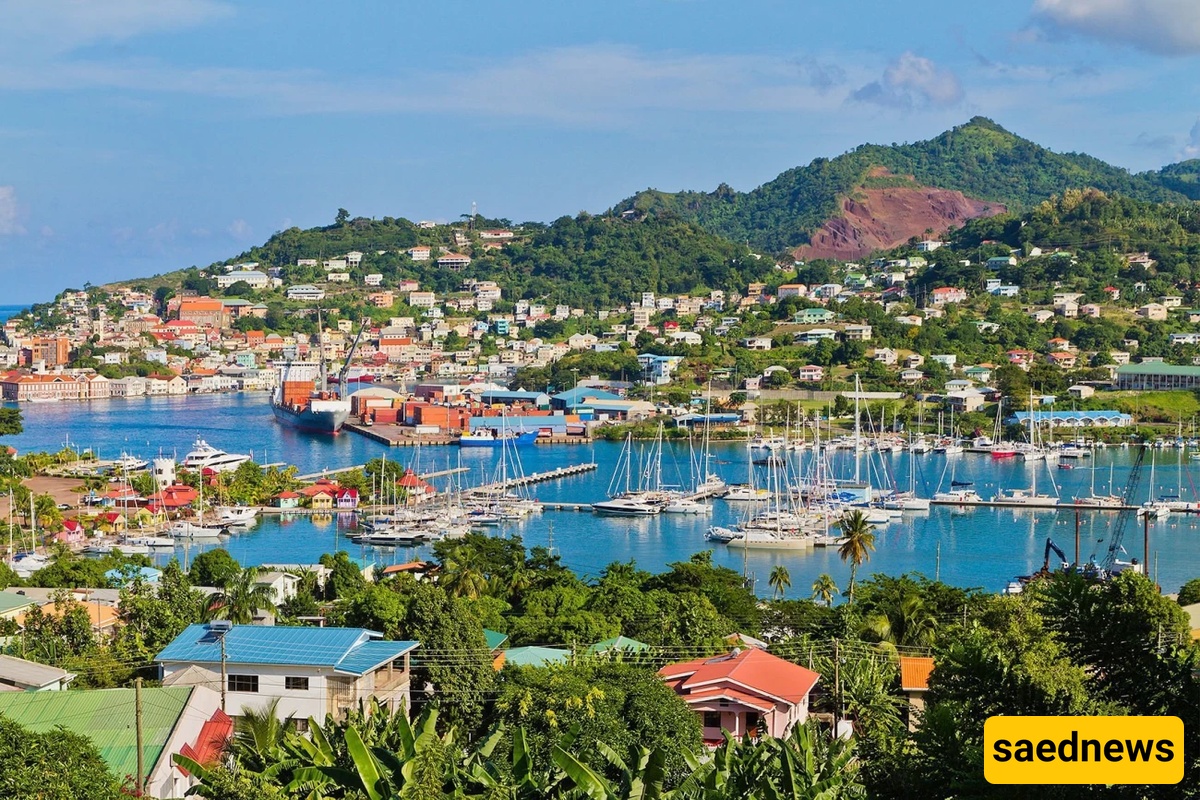
Granada is located in southern Spain, at the foothills of the Sierra Nevada, in the autonomous community of Andalusia. The city covers approximately 88 square kilometers and has a population of around 227,000 people.
Granada is also well known as a university city. A significant part of its population consists of students, and the city is home to several educational institutions. Granada has a small airport, Federico García Lorca Granada-Jaén Airport, located approximately 12 kilometers west of the city.
Granada is also one of the Spanish cities with a particularly strong Arab cultural influence. Its residents are generally known for their hospitality and warm attitude toward visitors. Many locals take great pride in the city’s history and cultural identity.
The official language of Granada is Spanish. In everyday situations, Spanish is by far the main language used for communication.
A local variety of Andalusian Spanish, known as Andaluz, is also spoken by some residents. It differs in pronunciation and vocabulary from standard Spanish and reflects some of the historical linguistic influences of southern Spain.
Granada’s cultural identity has been shaped by centuries of interaction between different civilizations, including Roman, Islamic and Christian societies.
Granada experiences considerable seasonal variation. Summers are generally hot, dry and sunny, while winters are relatively short but can be cold, particularly because of the city’s location near the Sierra Nevada.
Spring and autumn are generally among the most pleasant times to explore Granada. During these seasons, temperatures are often moderate and the city’s historic neighborhoods and outdoor attractions can be enjoyed comfortably.
The rainy season generally occurs between November and January, although Granada is relatively dry compared with many other European destinations. Annual rainfall is typically below 400 millimeters.
Summer temperatures can reach around 34°C, while winter daytime temperatures average approximately 13°C. The combination of a relatively dry climate and its mountainous surroundings contributes to Granada’s distinctive atmosphere.
Historic Sites and Tourist Attractions in Granada
Granada is particularly famous for its historical monuments and multicultural heritage. Roman, Islamic, medieval and Renaissance influences can all be found throughout the city.
Some of the most important attractions include the following.
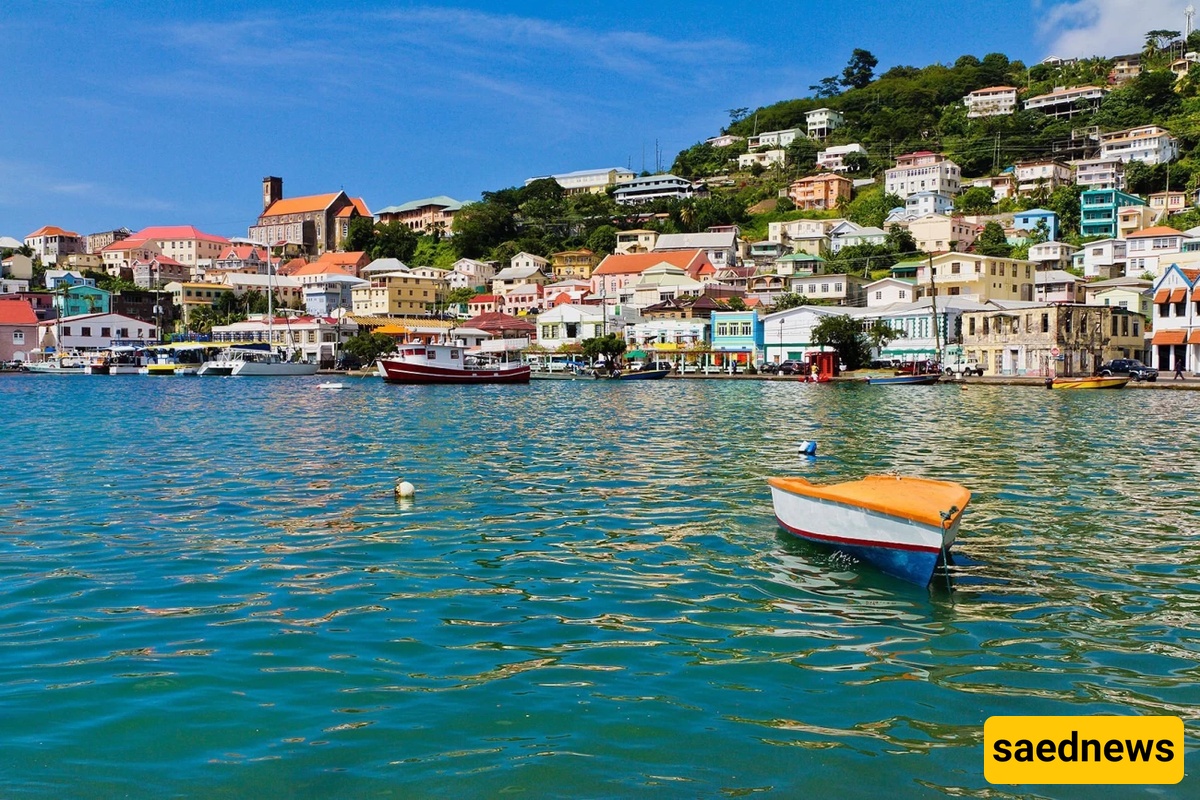
The Alhambra is undoubtedly Granada’s most famous landmark and one of the finest examples of Islamic architecture in Europe. It is closely associated with the Nasrid dynasty, the final Muslim dynasty to rule the Emirate of Granada.
The complex was built on an elevated site overlooking the city, allowing its rulers to control and observe the surrounding area. Much of the surviving complex dates from the 13th and 14th centuries, particularly the period of Nasrid rule.
Today, the Alhambra stands on one of Granada’s hills and attracts visitors from around the world. Its architecture reflects the sophisticated artistic traditions of medieval Islamic Spain.
The complex consists of several major sections, including the royal palaces, gardens and defensive structures. The Nasrid Palaces contain courtyards, reception halls and private royal quarters, while the surrounding gardens provide a striking contrast to the fortified areas.
The exterior walls are associated with the reddish color that characterizes the complex. Inside, visitors can find intricate geometric designs, Arabic inscriptions, Islamic motifs, decorative tilework and elaborate plasterwork.
Important sections of the Alhambra include:
Alcazaba – the oldest major fortress area
Watch Tower – a defensive and observation structure
Nasrid Palaces – the main royal palace complex
Comares Tower – one of the most prominent towers
Court of the Lions – one of the best-known courtyards
Baths – traditional royal bathing facilities
Hall of the Boat – an important section of the Nasrid Palaces
Underground chambers and tunnels
Royal resting areas
The Alhambra is particularly notable for its combination of architecture, gardens, water features, calligraphy and decorative arts.
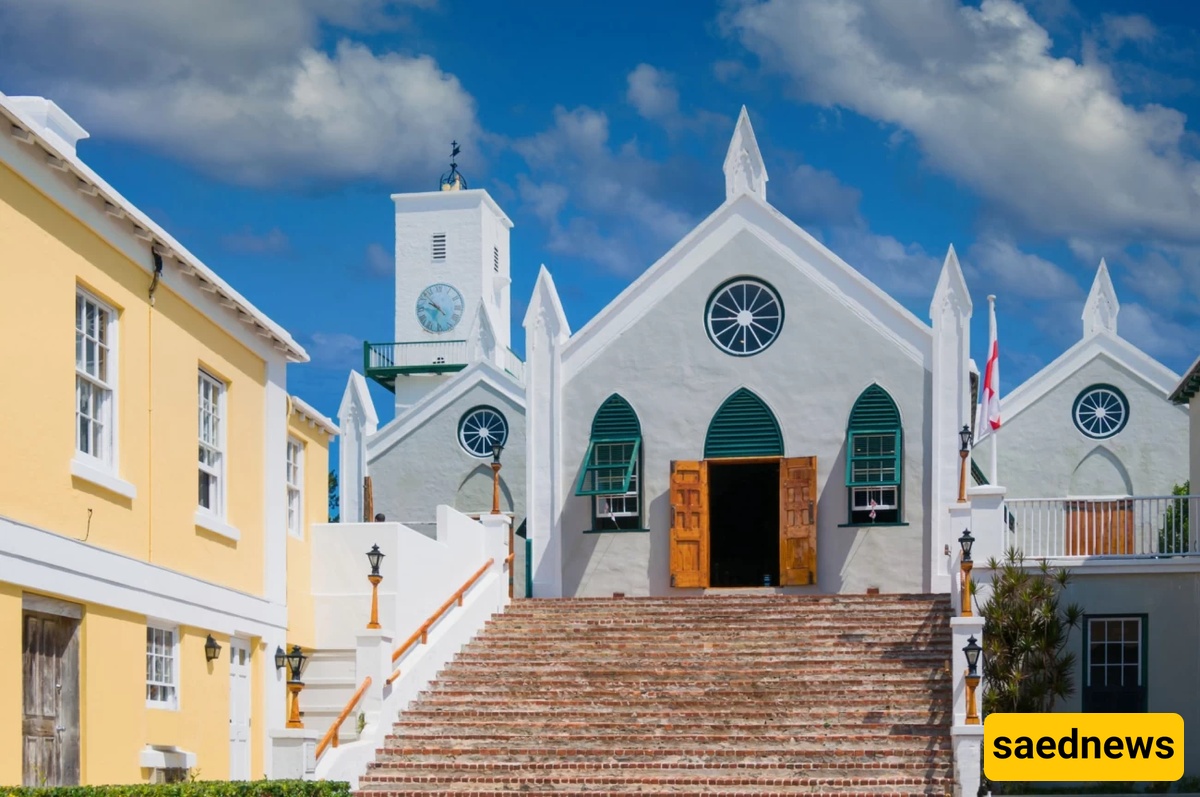
Granada Cathedral is another major landmark in the historic center of the city. It is one of Spain’s most important Renaissance churches and its construction began in the early 16th century.
Construction took many decades and the building underwent various changes during its history. The cathedral reflects the transition from Gothic architectural traditions to the Renaissance style that became prominent in Spain during this period.
The cathedral stands near Plaza Nueva and remains an important religious and architectural monument.
The Royal Chapel, also known as the Capilla Real, is a Gothic-style religious building and an important royal mausoleum.
It contains the tombs of several members of Spain’s Catholic monarchy, most notably King Ferdinand II and Queen Isabella I. Their marble tombs were created in the Renaissance style.
The chapel is located next to Granada Cathedral. Although closely connected to the cathedral complex, it has its own entrance.
Among its notable interior features are 16th-century stained-glass windows and several important paintings, including works associated with the Spanish Renaissance artist Alonso Cano.
The Royal Chapel provides an important insight into Spain’s royal and religious history, particularly the period surrounding the end of Muslim rule in Granada.
Another important historic building is the former Islamic madrasa, or religious school, founded during the Nasrid period.
The building was commissioned by Sultan Yusuf I in the 14th century and originally formed part of Granada’s Islamic educational tradition. Much of the building has changed over the centuries, although an important section of the original structure remains.
Today, the building continues to be associated with the University of Granada and represents an important surviving connection to the city’s Islamic intellectual heritage.
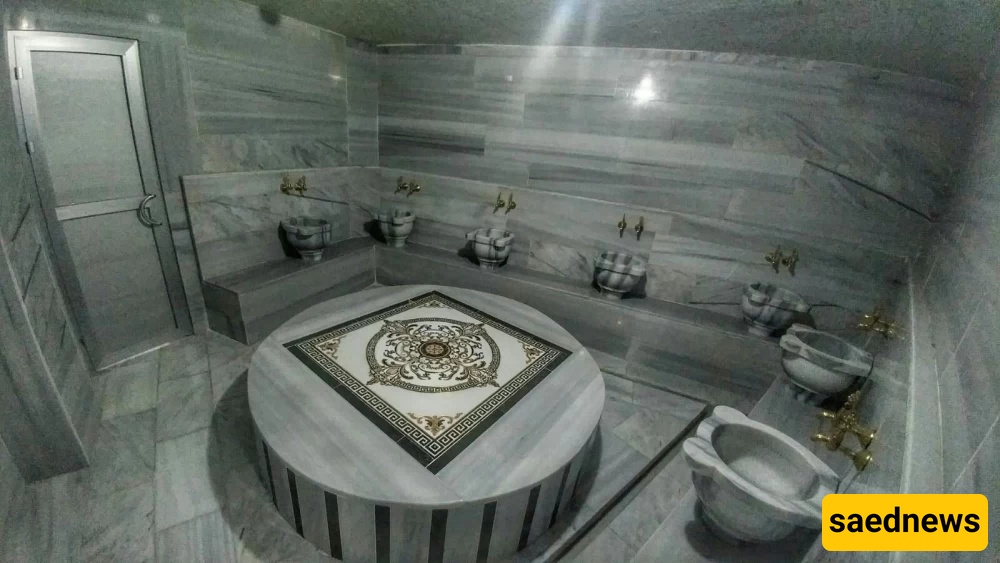
Granada’s traditional Arab baths are another reminder of the city’s Islamic past. These bathing facilities were developed under Muslim rule and were influenced by bathing traditions from North Africa and other parts of the Islamic world.
The Bañuelo is among the best-preserved examples and dates back to approximately the 11th century.
Its architecture includes horseshoe arches, stone columns and decorative elements characteristic of Islamic architecture. The building provides an insight into the social and cultural life of medieval Granada.
The Bañuelo is located in the historic Albaicín district, an area recognized as part of Granada’s UNESCO World Heritage heritage.
The San Juan de Dios Museum is associated with the life and legacy of Saint John of God, a religious figure known for his work caring for the sick and poor.
The historic building contains religious artworks, furnishings and objects connected with his life and the history of the institution. It offers visitors an opportunity to explore an important part of Granada’s religious and social heritage.
Corral del Carbón is a historic building dating from the 14th century and is one of the most distinctive surviving examples of Islamic architecture in Granada.
During the Nasrid period, it served as a caravanserai, providing accommodation and facilities for merchants traveling through the city. It was also used for commercial purposes and storage.
Its architectural design reflects the practical and decorative traditions of Islamic Granada. Today, the building is used for cultural activities and events, including performances and concerts.
Plaza Nueva is one of Granada’s best-known central squares. Despite its name, it has existed for centuries and occupies an important position in the historic center.
The area provides access to several important monuments and historic neighborhoods. Around the square, visitors can find historic buildings alongside cafés, restaurants, shops and other modern facilities.
Its location makes it a useful starting point for exploring Granada’s old city and nearby attractions.
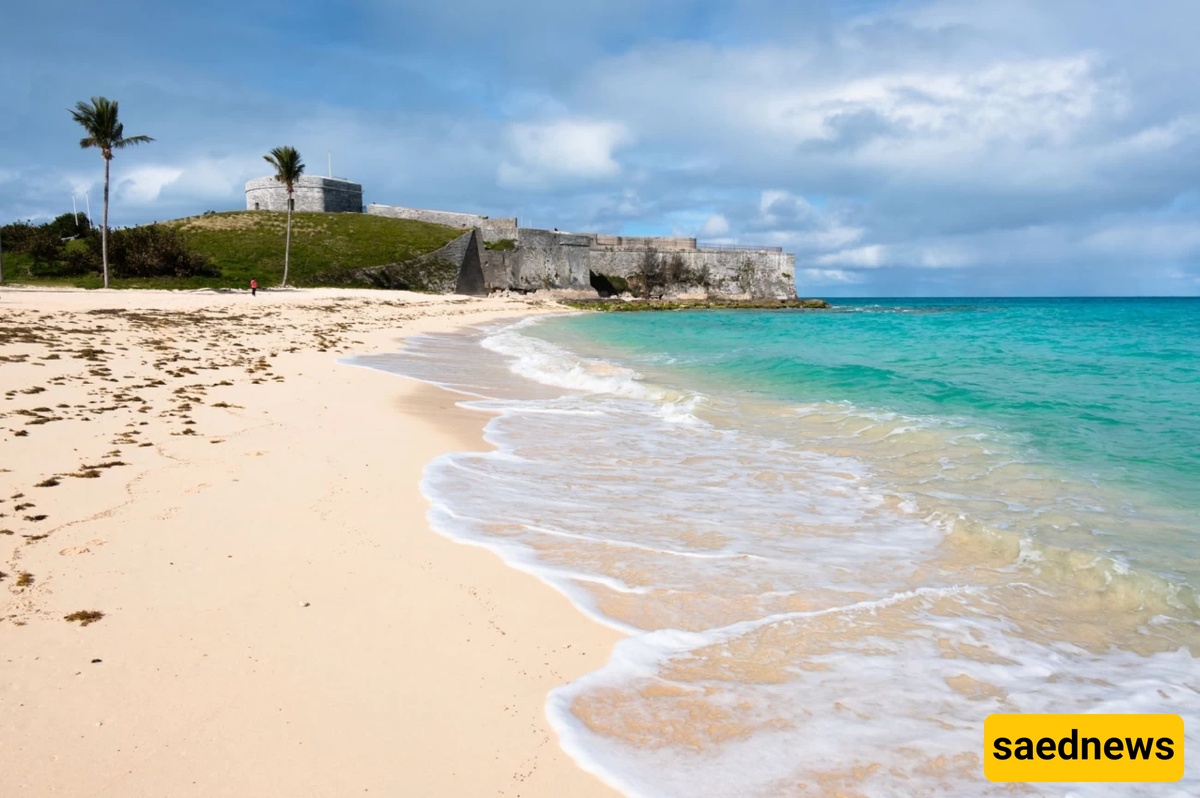
Granada Science Park offers a completely different experience from the city’s historic monuments. It is a modern science and technology museum designed for visitors interested in science, education and interactive exhibits.
The complex is particularly suitable for families and younger visitors. Its permanent and temporary exhibitions explore subjects such as the human body, animals, birds, astronomy, the universe, technology and engineering.
Located relatively close to the city center, the Science Park provides a modern contrast to Granada’s medieval and Islamic heritage.
Granada: A Meeting Point of Civilizations
Granada’s greatest attraction is not limited to a single monument. The city represents the meeting of several civilizations and historical periods.
Roman influences, the legacy of Al-Andalus, Christian Spain, Renaissance architecture and modern university life all exist within the same urban landscape. The Alhambra, the Albaicín, Granada Cathedral, the Royal Chapel, historic Arab baths and modern cultural institutions together demonstrate the remarkable diversity of the city’s heritage.
For travelers interested in history, architecture and the cultural development of Spain, Granada offers an unusually rich experience within a relatively compact city.