SAEDNEWS: Learn how to prepare delicious Persian Kateh rice with soft, beautifully shaped grains. This guide explains the proper cooking method, along with simple tips for making your rice fragrant, flavorful, and perfect for serving at special occasions.
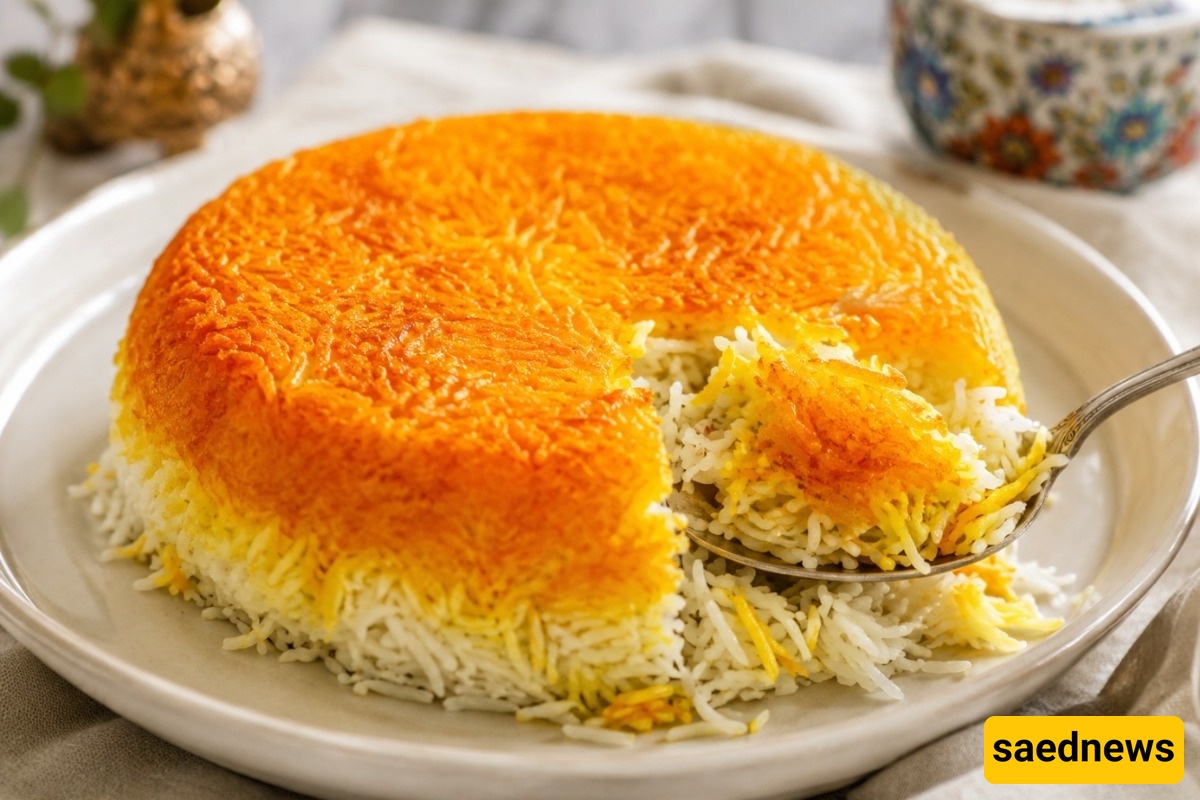
According to Saednews, Kateh is one of the easiest ways to prepare Persian rice. Unlike traditional chelow, it does not require draining the rice, allowing it to retain more of its natural aroma and flavor. However, getting perfectly cooked kateh with soft, well-shaped grains depends on using the right amount of water and following the correct cooking and steaming times.
Making kateh is much easier than many people think. Once you know the right proportions and a few simple cooking techniques, you can prepare fragrant, delicious Persian rice to serve alongside stews, kebabs, chicken, and other Iranian dishes.
Ingredient | Amount |
|---|---|
Persian rice | 2 cups |
Water | About 2½–3 cups, depending on the rice |
Salt | 1 teaspoon |
Oil or butter | 2–3 tablespoons |
Brewed saffron, optional | 1–2 tablespoons |
Tip: To make kateh for one person, halve the ingredients. For four people, double the amounts.
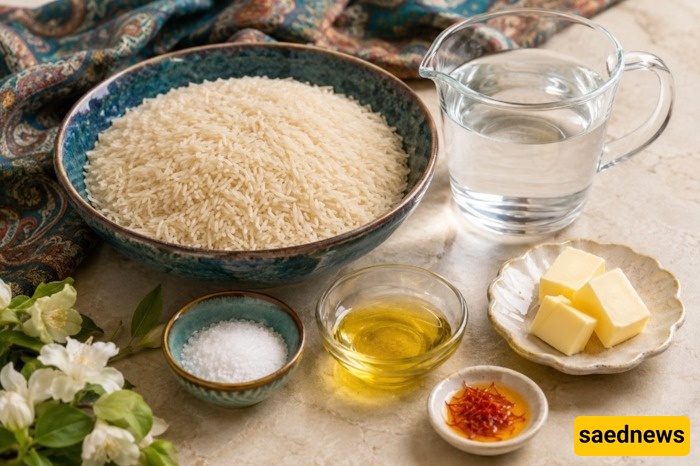
Place the rice in a bowl and rinse it several times with cold water until the water becomes relatively clear. Avoid rubbing or squeezing the rice while washing, as this can break the grains and affect their appearance after cooking.
After washing, soak the rice in lukewarm or room-temperature water with a little salt. Let it soak for about 30 minutes to 2 hours. Soaking helps the grains expand more evenly during cooking and produces a more consistent texture.
Drain the soaking water and transfer the rice to a suitable pot. Add fresh water.
The amount of water is especially important when making kateh. For 2 cups of Persian rice, about 2½–3 cups of water is generally suitable. A traditional method is to add enough water so that it comes approximately one finger-width above the surface of the rice.
If you did not add salt while soaking, add it now along with the oil. Stir very gently so the salt is evenly distributed.
Place the pot over medium-high to high heat and bring the water to a boil. A layer of white foam may appear on the surface; you can remove it with a spoon if desired.
Once the water begins boiling, leave the pot uncovered and allow the rice to cook gently as the water reduces.
Avoid stirring the rice too much. Excessive stirring releases starch and can make the kateh sticky and mushy.
As the water level drops and only a small amount of boiling liquid remains around the rice, it is time to begin steaming.
Using a spatula or rice paddle, gently gather the rice from the sides toward the center of the pot, forming a small mound.
If only a very small amount of water remains at the bottom of the pot after gathering the rice, the rice is ready to steam.
Tip: If the water has completely evaporated but the rice grains are still hard, add a small amount of boiling water—about half a cup—and continue cooking over low heat until the center of the grains becomes tender.
Use the handle of your rice paddle to make several holes in the mound of rice. This allows steam to circulate more effectively.
Cover the pot with a lid and, ideally, a kitchen towel or steam cloth. Reduce the heat to low and allow the rice to steam gently for about 30–45 minutes.
For extra flavor, you can add a little brewed saffron or butter over the rice while it steams.
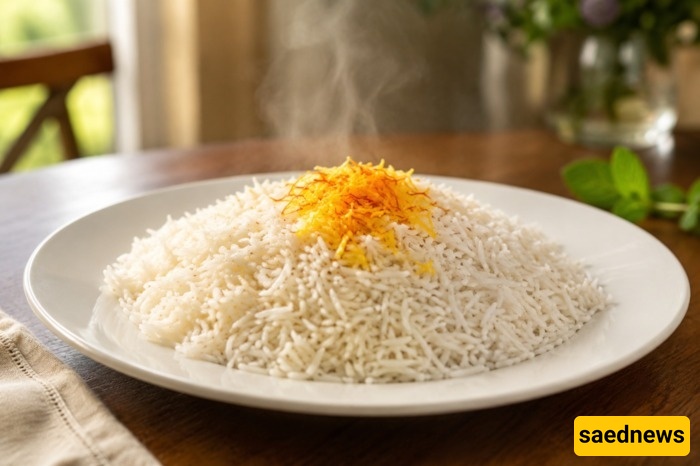
After turning off the heat, let the rice rest for a few minutes. This allows the steam inside the pot to settle and helps the grains maintain their shape.
Gently fluff and turn some of the rice from different areas of the pot with a rice paddle. This releases excess steam and combines the softer grains from the bottom with the drier grains on top.
Transfer the kateh to a serving dish and enjoy it with Persian stews, kebabs, chicken, or other Iranian dishes.
Adjust the water for fresh rice: Newly harvested rice contains more moisture, so it generally requires slightly less water than older rice.
Adjust the water based on the result: If your kateh turns out dry, add a little more water next time. If it becomes mushy, reduce the amount of water.
Use a suitable pot: A thick-bottomed pot distributes heat more evenly and reduces the risk of burning the bottom of the rice.
Let the rice rest: Do not remove the lid immediately after cooking. Allowing the rice to sit in its own steam for several minutes improves its texture.
Choose the right pot size: The pot should be appropriately sized for the amount of rice. A pot that is too large or too small can cause uneven cooking.
Consider the type of lid: Traditional flat lids can collect condensation, which may drip back onto the rice and make it mushy. Many modern pot designs handle steam more effectively, although a steam cloth can still be useful.
If you do not have enough time to soak the rice, you can still make delicious, fluffy kateh. The key is to pay closer attention to the amount of water and cooking time.
Rinse the rice several times with cold water until the water is almost clear.
Place the washed rice in a pot and add approximately 1½–2 cups of water for every cup of rice.
Because the rice has not been soaked beforehand, it usually needs a little more water during cooking.
Add salt and a small amount of oil or butter, then place the pot over medium heat.
Bring the water to a boil. Once boiling, reduce the heat slightly and allow the water to gradually absorb into the rice.
Avoid frequent stirring. If necessary, gently turn the rice once to help it cook evenly.
When almost all of the water has been absorbed and only a small amount of moisture remains at the bottom of the pot, gently gather the rice toward the center.
Make several holes in the rice with the handle of a rice paddle to allow the steam to escape.
Cover the pot and reduce the heat to very low. Allow the rice to steam for approximately 40–50 minutes.
After that, your kateh is ready to serve.
If you want a crispy Persian rice crust, you can prepare tahdig while making kateh.
After the rice has undergone its initial cooking stage, carefully remove it from the pot. Add your preferred tahdig base—such as thin bread or sliced potatoes—to the bottom of the pot, along with a little oil.
Return the rice to the pot and continue steaming. This allows a golden, crispy tahdig to form underneath the rice.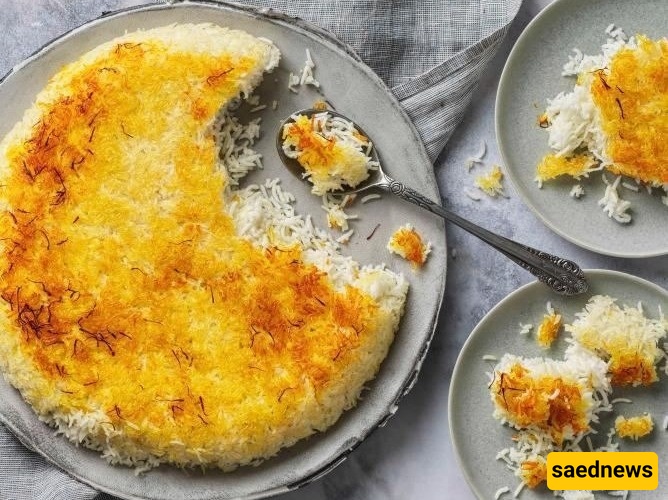
For restaurant-style kateh, the quality of the rice makes a significant difference. Fragrant Persian rice generally produces the best flavor and aroma.
Restaurants often combine oil with a little butter or clarified butter to give the rice a richer flavor and softer texture.
For a more elegant presentation, mix some of the cooked rice with brewed saffron and spoon it over the white rice when serving.
If you want a deep golden tahdig, lightly grease the bottom of the pot and allow the heat to remain slightly higher during the early part of steaming so that the crust develops properly.
Another attractive method is to remove about two-thirds of the rice during the steaming process. Mix the remaining rice with brewed saffron and spread it evenly across the bottom. Then return the white rice to the pot. This creates a beautiful saffron-colored layer underneath.
For a restaurant-style presentation, kateh can also be packed into a small bowl or mold after steaming and then inverted onto a serving plate. To keep its shape, the rice should be fully steamed but not overly soft or mushy.
Preparation time: Approximately 10 minutes
Cooking and resting time: Approximately 45 minutes
Best served for: Lunch or dinner
Ramadan: Can also be served as a filling suhoor meal
Recipe quantity: Suitable for approximately 4 people when prepared using the larger quantities
The secret to great kateh is simple: use good-quality Persian rice, measure the water carefully, avoid excessive stirring, and give the rice enough time to steam gently.
Once you get the water-to-rice ratio right for the particular rice you use, kateh becomes one of the easiest and most reliable Persian rice dishes to prepare at home.