SAEDNEWS: Tribulus terrestris is a widely used medicinal herb in traditional medicine. This article explores the potential health benefits, active compounds, preparation methods, and precautions associated with Tribulus terrestris tea.
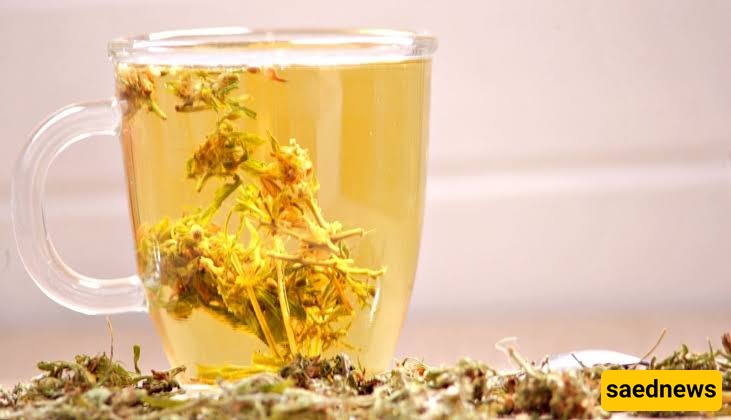
According to Saednews, Tribulus terrestris, commonly known as puncture vine, is a well-known medicinal plant widely used in traditional Iranian medicine and many Eastern cultures. For centuries, it has been used to address a variety of physical health concerns.
This plant, scientifically known as Tribulus terrestris, grows in plains, deserts, and dry regions. It is recognized for its thorny fruits and seeds, which contain various bioactive compounds.
Today, as interest in natural remedies and herbal medicine continues to grow, Tribulus terrestris tea has become increasingly popular among health-conscious individuals. It is traditionally associated with physical vitality, sexual health, hormonal balance, heart health, and blood sugar regulation.
This article explores the potential benefits of Tribulus terrestris tea, its active compounds, proper preparation methods, recommended dosage, possible side effects, and precautions to help readers make informed decisions about its use.
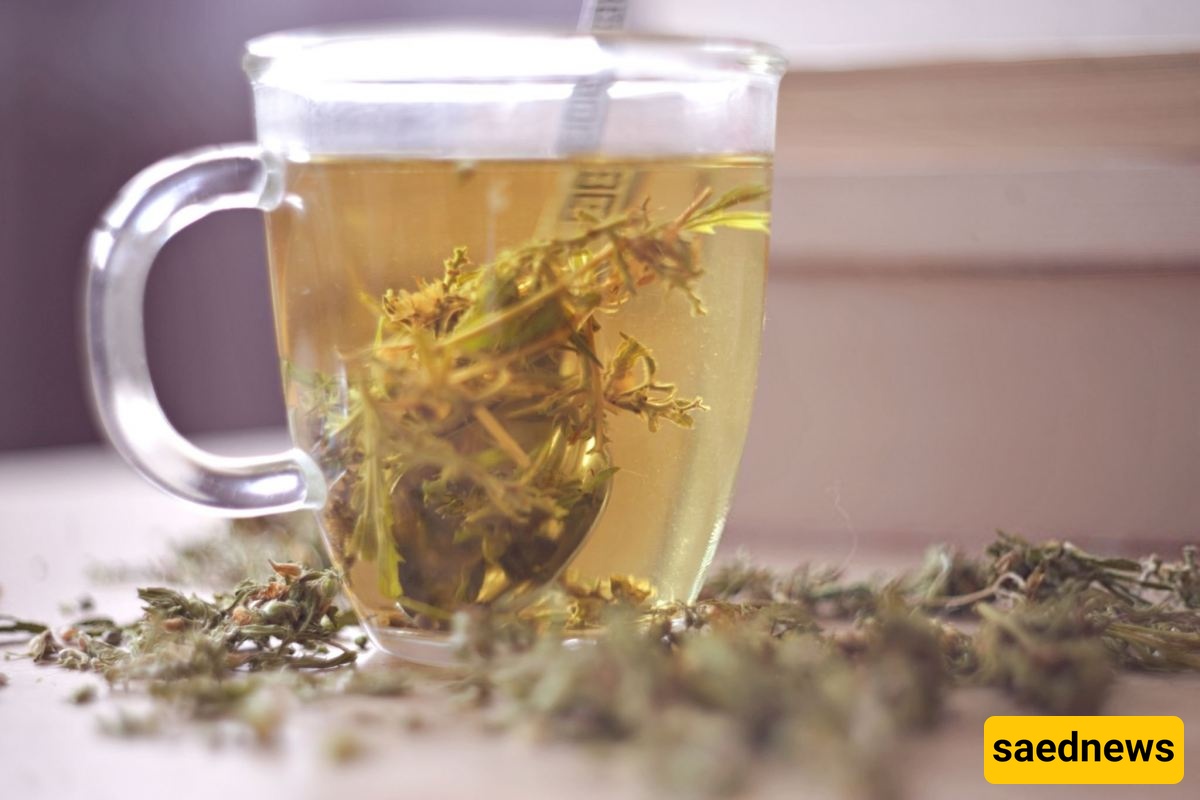
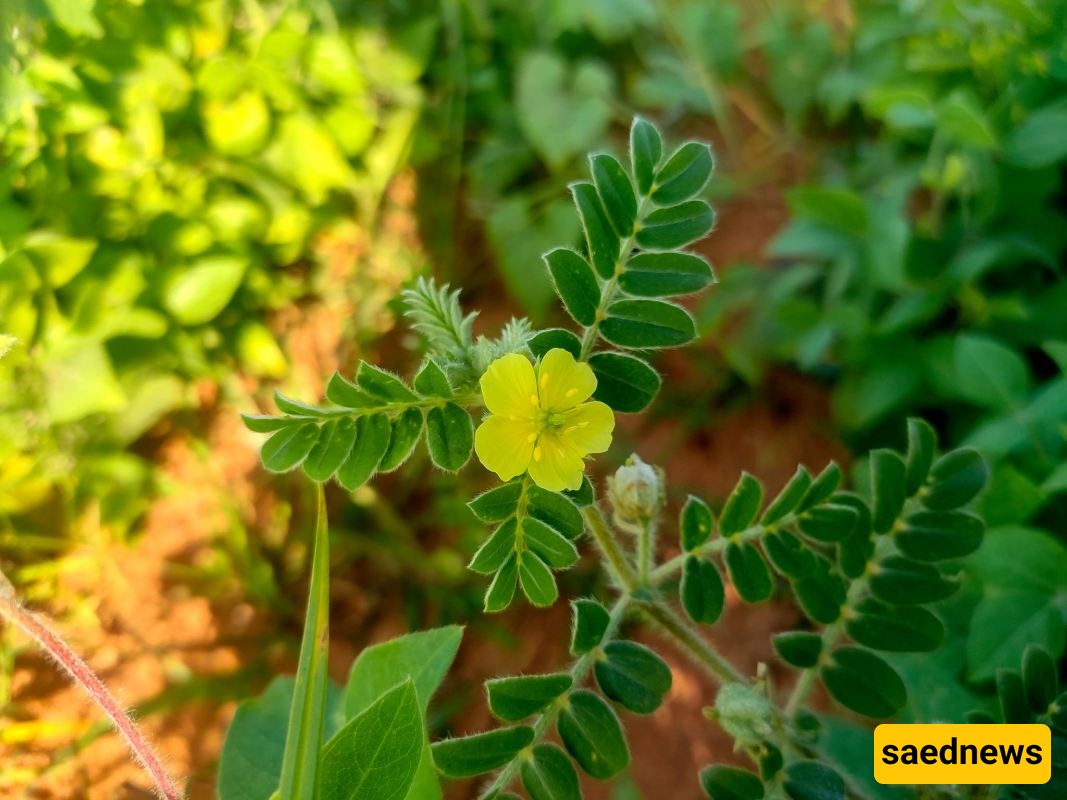
Tribulus terrestris is an annual or perennial plant belonging to the Zygophyllaceae family. It typically grows to a height of approximately 10–60 centimeters and thrives in hot, dry environments, along roadsides, and on uncultivated land. The plant has small, opposite leaves and round fruits covered with sharp spines, which give it its common name, puncture vine.
From a chemical perspective, Tribulus terrestris contains several bioactive compounds, including:
Steroidal saponins: Compounds such as protodioscin and dioscin, which have been investigated for their potential effects on hormonal function and sexual health.
Flavonoids: Compounds with antioxidant and anti-inflammatory properties.
Alkaloids: Substances that may influence various physiological processes.
Sterols and phytosterols: Plant compounds studied for their potential role in biological and hormonal processes.
Minerals: Including potassium, calcium, magnesium, and zinc.
Tannins and saponins: Compounds traditionally associated with diuretic and other biological effects.
This diverse chemical composition has contributed to the plant's reputation as a versatile ingredient in traditional herbal medicine.
One of the best-known traditional uses of Tribulus terrestris is to support male sexual health and reproductive function.
Steroidal saponins found in the plant have been studied for their potential effects on sexual function. Some research suggests that Tribulus terrestris may:
Help improve sexual desire.
Potentially support sperm quality and reproductive health.
Help with certain cases of mild erectile dysfunction.
Support energy levels and physical vitality.
However, scientific findings remain mixed. Evidence that Tribulus terrestris consistently increases testosterone levels in healthy men is limited, and its effects may vary depending on individual health, dosage, and duration of use.
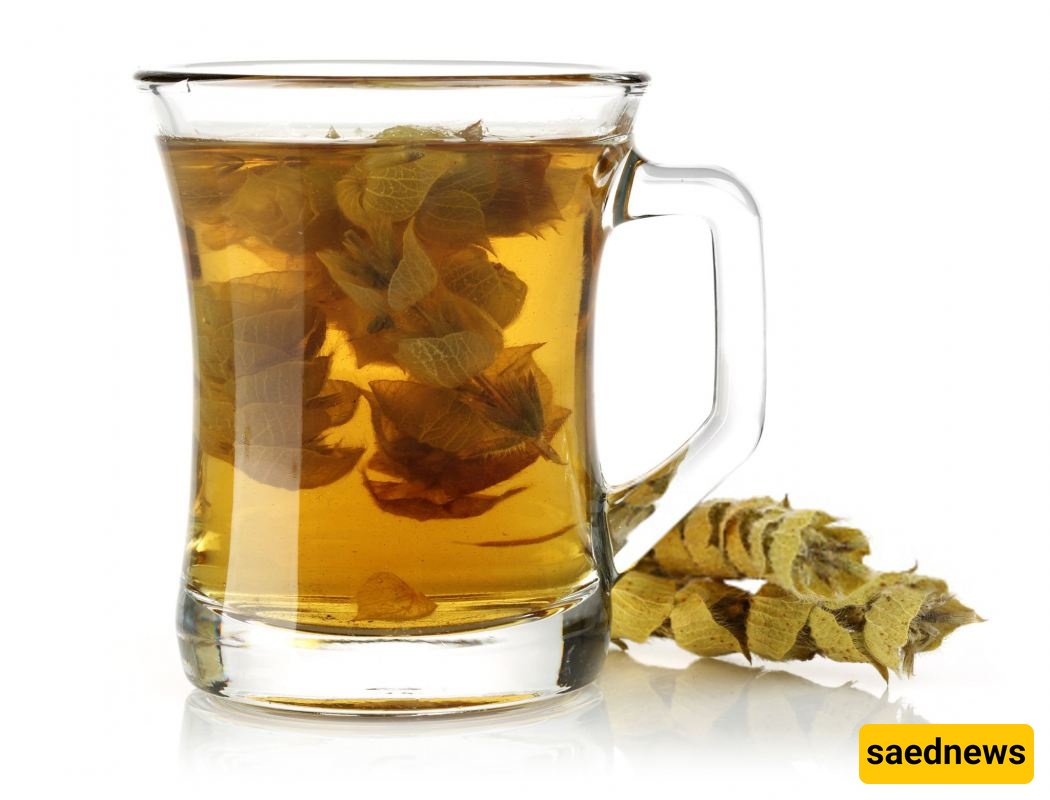
Tribulus terrestris is also used by some women as an herbal supplement for sexual health and hormonal concerns.
Some research suggests that it may help improve sexual desire in certain women, including those experiencing reduced libido during perimenopause or after menopause.
Its anti-inflammatory properties have also been investigated for their potential role in menstrual discomfort and menopausal symptoms, such as hot flashes.
However, evidence supporting its effectiveness for polycystic ovary syndrome (PCOS), hormonal regulation, and menopausal symptoms remains limited. It should not be considered a proven treatment for these conditions.
Tribulus terrestris contains antioxidant compounds that may help reduce oxidative stress and inflammation in laboratory studies.
Potential cardiovascular benefits under investigation include:
Supporting healthy blood pressure.
Influencing LDL (bad) cholesterol levels.
Potentially affecting HDL (good) cholesterol levels.
Helping protect blood vessels against oxidative damage.
Nevertheless, there is insufficient high-quality human evidence to conclude that Tribulus terrestris tea reliably improves cholesterol levels, prevents arterial plaque buildup, or reduces the risk of cardiovascular disease.
It should not replace prescribed medication or established heart-health measures.
Some animal and human studies have investigated whether Tribulus terrestris extracts can help lower blood glucose levels or improve insulin sensitivity.
These findings have generated interest in its potential use as a complementary approach to blood sugar management, particularly for people with type 2 diabetes or an increased risk of developing the condition.
However, the evidence remains limited, and the effects of drinking the tea specifically are not well established.
People with diabetes should consult a healthcare professional before using Tribulus terrestris because combining it with glucose-lowering medications could potentially increase the risk of hypoglycemia.
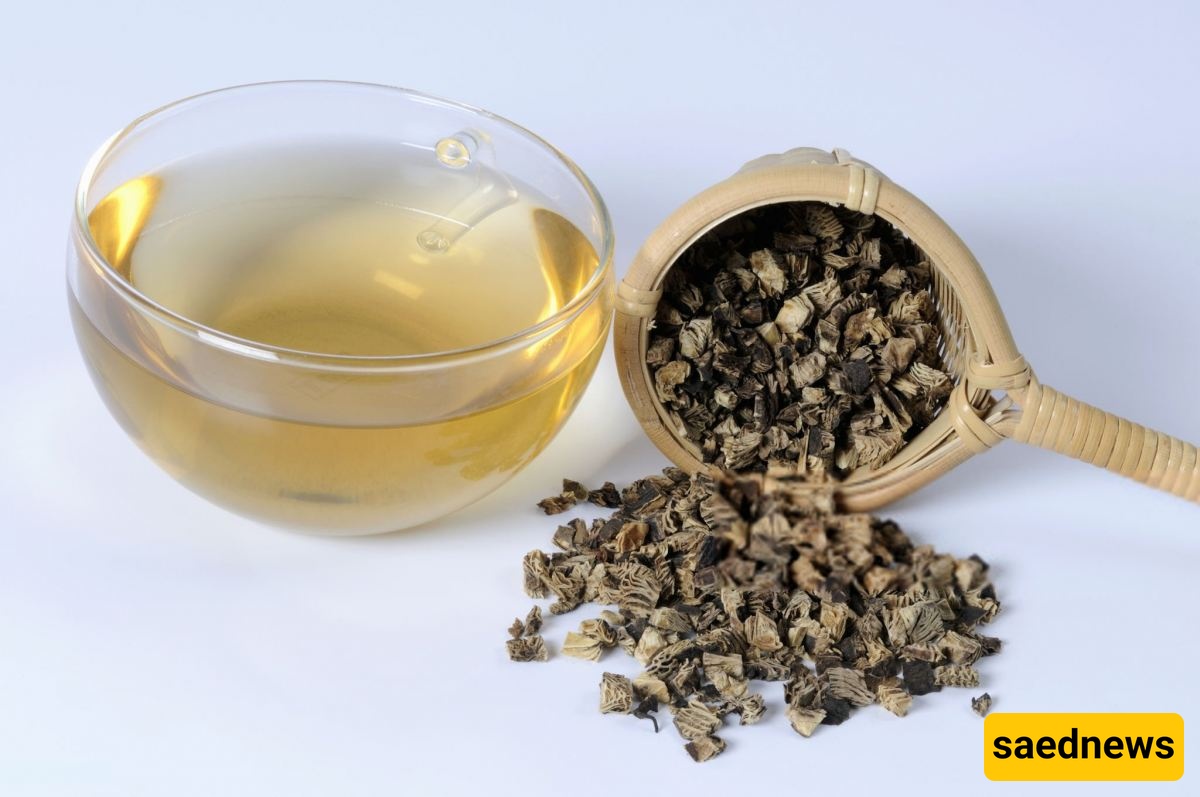
Chronic inflammation and oxidative stress are associated with various health conditions, including cardiovascular disease and certain inflammatory disorders.
Flavonoids and saponins found in Tribulus terrestris have demonstrated antioxidant and anti-inflammatory activity in laboratory and preclinical research.
These compounds may help neutralize free radicals and protect cells from oxidative damage.
However, laboratory findings do not necessarily translate into meaningful health benefits in humans. More clinical research is needed to determine whether drinking Tribulus terrestris tea can reduce inflammation or slow age-related changes.
In traditional medicine, Tribulus terrestris has been used as a diuretic, meaning a substance believed to increase urine production.
Its traditional uses include supporting urinary function and helping with certain urinary complaints.
However, there is insufficient reliable clinical evidence that Tribulus terrestris tea can dissolve kidney stones, prevent their formation, or treat urinary tract infections.
Anyone experiencing severe flank pain, blood in the urine, fever, or symptoms of a urinary tract infection should seek medical evaluation rather than relying on herbal tea.
People with kidney disease should consult a healthcare professional before using this herb.
The antioxidant and anti-inflammatory compounds in Tribulus terrestris have been studied for their potential effects on biological processes involved in immune function.
These properties have prompted interest in the plant as a possible contributor to general health and cellular protection.
However, there is currently insufficient clinical evidence that regularly drinking Tribulus terrestris tea strengthens the immune system or helps the body recover from infections more quickly.
Tribulus terrestris has attracted interest for its possible effects on skin and hair health.
Some proposed benefits are linked to its antioxidant properties and potential effects on circulation and inflammation.
The plant has also been investigated for possible effects on hair growth, but evidence supporting its use to prevent hair loss or stimulate hair growth remains insufficient.
It should not be regarded as an established treatment for hereditary hair loss or other hair disorders.
Tribulus terrestris is sometimes marketed to athletes and physically active individuals as a supplement for improving strength, energy, and exercise performance.
It has been proposed that the plant may support physical vitality and recovery. However, research has not consistently demonstrated improvements in muscle strength, endurance, testosterone levels, or athletic performance.
Therefore, Tribulus terrestris tea should not be considered a proven performance-enhancing drink. Adequate nutrition, sleep, hydration, and a structured training program remain more reliable approaches to improving athletic performance.
Traditional preparation method
To prepare a simple cup of Tribulus terrestris tea, follow these steps:
Add one teaspoon of dried Tribulus terrestris herb, such as the leaves, stems, or seeds, to a teapot.
Pour one cup of freshly boiled water over the herb.
Cover the teapot and allow the mixture to steep for 10–15 minutes.
Strain the tea to remove the plant material.
If desired, add a small amount of honey or another sweetener for taste.
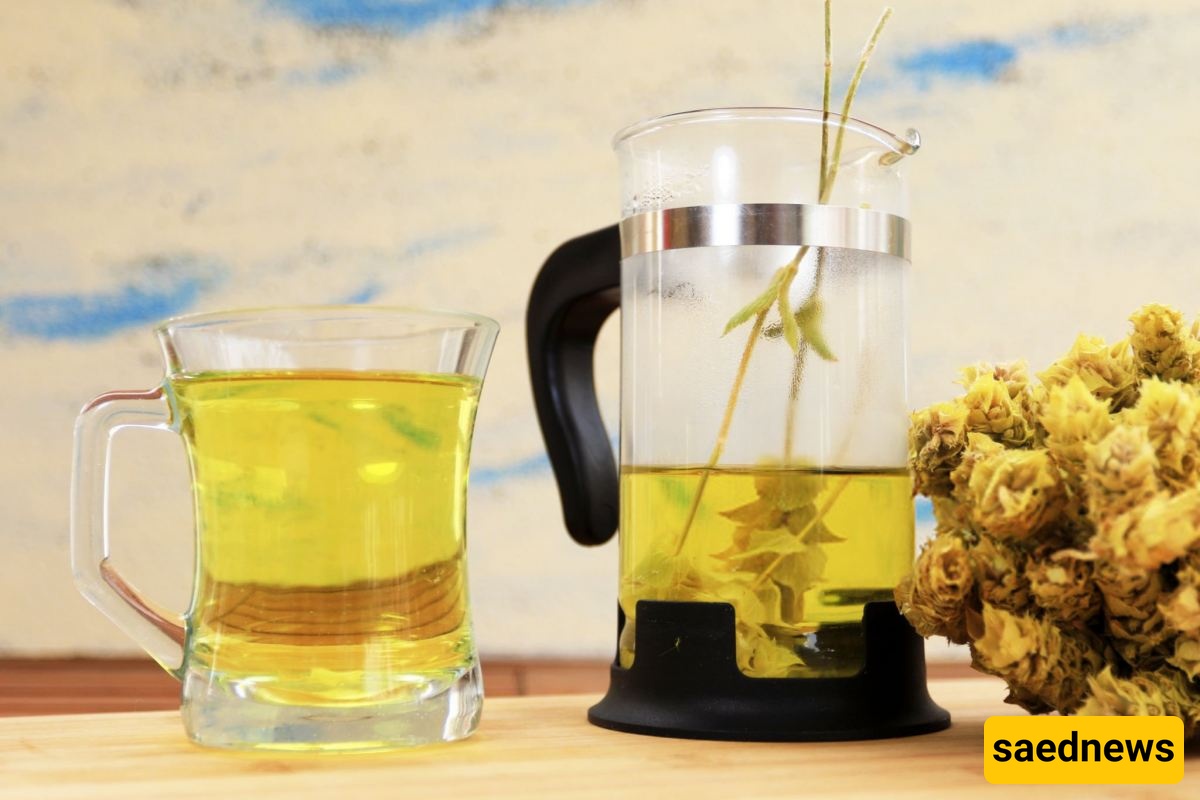
Preparation tip: A glass or ceramic teapot can be used for convenience. There is no strong evidence that these materials preserve the tea's medicinal properties better than other suitable food-safe containers.
Use properly identified, clean, food-grade plant material from a reliable source. The strength of the tea can vary considerably depending on the plant part, its quality, and the preparation method.
There is no universally established, scientifically validated dosage for Tribulus terrestris tea. The concentration of active compounds varies between preparations, and evidence from standardized extracts cannot be directly applied to homemade tea.
The original article suggests the following traditional usage pattern:
Daily intake: One to three cups per day.
Duration: Four to six weeks of regular use.
Cycling: Two months of use followed by a two-week break.
However, these amounts and schedules should not be interpreted as clinically established recommendations. Safety data for long-term use are limited, and the appropriate amount, if any, depends on individual health and the preparation's concentration.
Consult a qualified healthcare professional before using Tribulus terrestris regularly, particularly if you have an existing medical condition or take medication.
Although Tribulus terrestris is a plant-derived product, natural origin does not guarantee safety. Excessive intake or inappropriate use may cause adverse effects.
Possible side effects include:
Digestive discomfort: Nausea, abdominal pain, or diarrhea.
Changes in blood pressure: Potential effects may be relevant to people with low blood pressure or those taking blood pressure medication.
Sleep disturbances: Insomnia or restlessness may occur in some individuals, although these effects are not well established.
Medication interactions: Potential interactions with diabetes medications, blood pressure drugs, anticoagulants, and hormone-related treatments warrant caution.
Rare reports have also raised concerns about kidney or liver injury associated with Tribulus-containing products. The extent of the risk is unclear, but people with existing kidney or liver disease should avoid self-treatment with this herb.
Stop using the product and seek medical advice if you experience unusual or severe symptoms.
Certain groups should avoid using Tribulus terrestris unless a healthcare professional specifically advises otherwise.
Pregnant women: Safety has not been established, and there are concerns about potential effects on pregnancy.
Breastfeeding women: There is insufficient evidence to establish safety during breastfeeding.
People with hormone-sensitive conditions: Those with hormone-sensitive cancers or other hormone-related conditions should consult their specialist before use.
People with significant kidney or liver disease: The herb's safety in these populations is uncertain.
Children: Safety and appropriate dosing have not been established.
People taking prescription medications: Those using medication for diabetes, blood pressure, clotting disorders, or hormone-related conditions should seek professional advice before use.
Tribulus terrestris is a medicinal plant with a long history of use in traditional Iranian and Eastern medicine. Its bioactive compounds, including steroidal saponins and flavonoids, have attracted scientific interest because of their potential biological effects.
Tribulus terrestris tea is traditionally used to support sexual health, hormonal function, urinary health, and general well-being. However, scientific evidence for many of these benefits remains limited, and claims about testosterone enhancement, fertility, cardiovascular protection, blood sugar control, kidney stone prevention, and athletic performance have not been conclusively established.
As with any herbal product, responsible use is essential. Consider the uncertainty surrounding its benefits, potential side effects, medication interactions, and individual health circumstances before incorporating it into your routine.
For those interested in herbal remedies, Tribulus terrestris tea may be worth discussing with a qualified healthcare professional, but it should not replace proven medical treatments or appropriate clinical care.