SAEDNEWS: Edible isomalt is a sugar-free sweetener that is heat- and moisture-resistant and highly transparent. It is widely used in confectionery, cake decoration, candy making, and diet-friendly products.
According to Saednew, Isomalt is a sugar-free sweetener that was first discovered in the 1960s. It is derived from sugar beet and does not naturally occur in nature. Although isomalt looks very similar to sugar, the two have important differences that make isomalt a distinctive ingredient.
You may have seen isomalt used in cake and pastry decorations and wondered what it is and why professional pastry chefs use it so often. The answer lies in its unique physical and chemical properties. When heated to high temperatures, isomalt does not turn yellow like sugar and retains its transparency. It is also considerably more resistant to moisture than sugar. For this reason, it is particularly suitable for edible decorations that need to maintain their shape and appearance for an extended period.
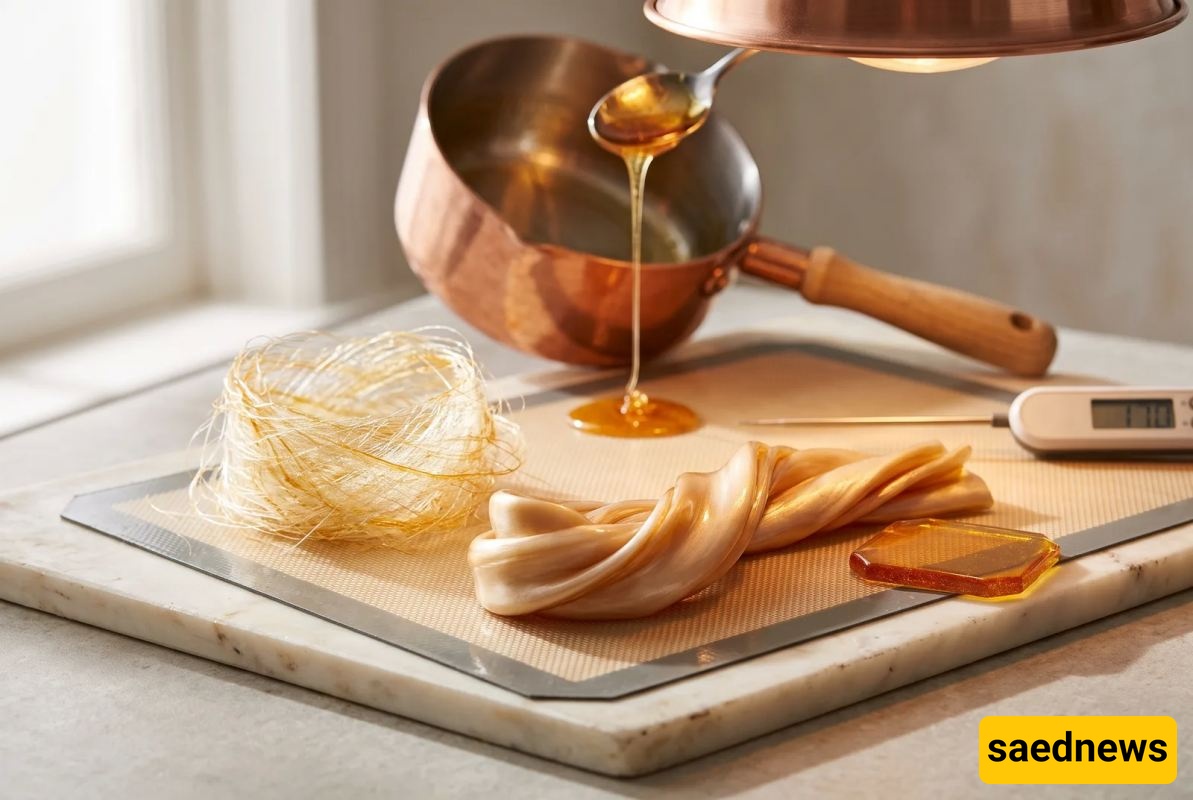
Food-grade isomalt has several characteristics that distinguish it from other sweeteners:
1. High heat resistance: Isomalt can be heated to high temperatures without losing its sweetness or changing color. This makes it particularly useful in candy making and chocolate work.
2. Low moisture absorption: Unlike sugar, which quickly absorbs moisture in humid environments and becomes soft, isomalt has good moisture resistance and maintains its shape.
3. Milder sweetness: Isomalt is not as sweet as sugar. This makes it suitable for people who prefer less-sweet foods. When necessary, it can be combined with other alternative sweeteners, such as sucralose, to achieve the desired level of sweetness.
4. Clarity and shine: After heating, isomalt develops remarkable transparency and gloss, making it ideal for creating attractive, shiny edible decorations.
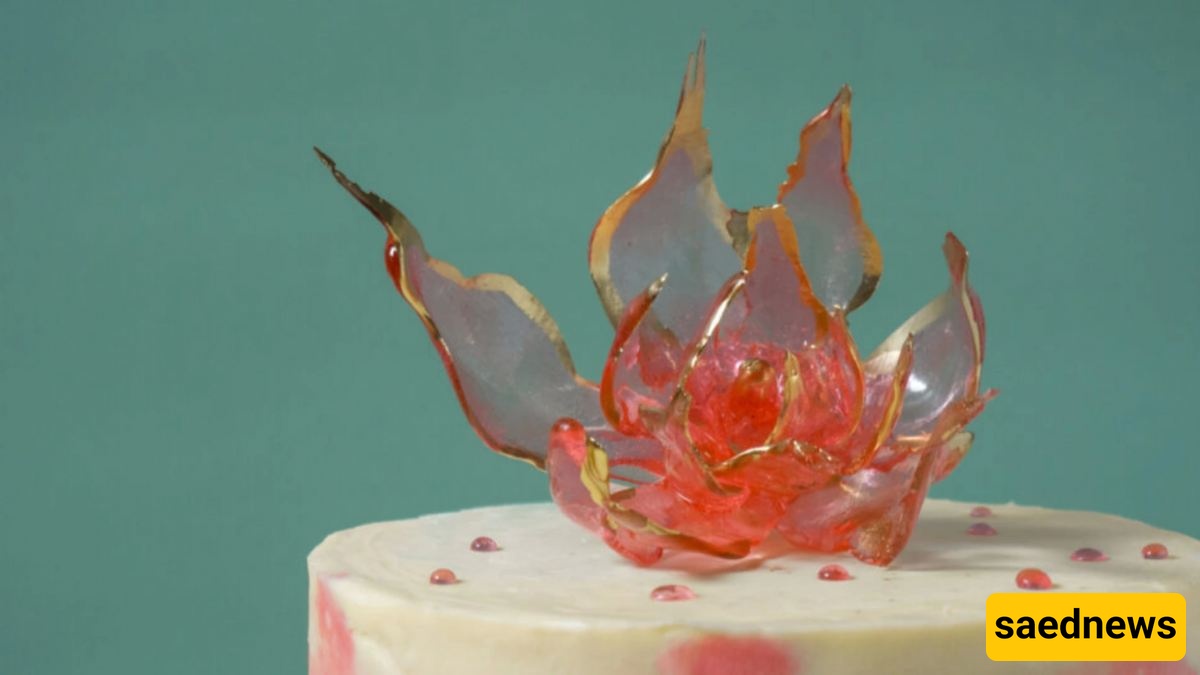
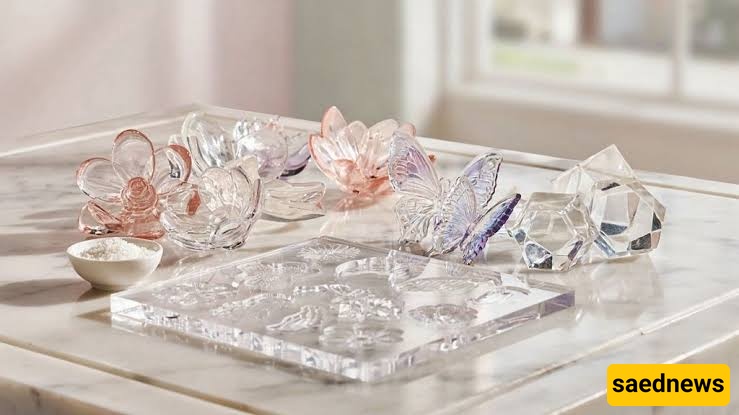
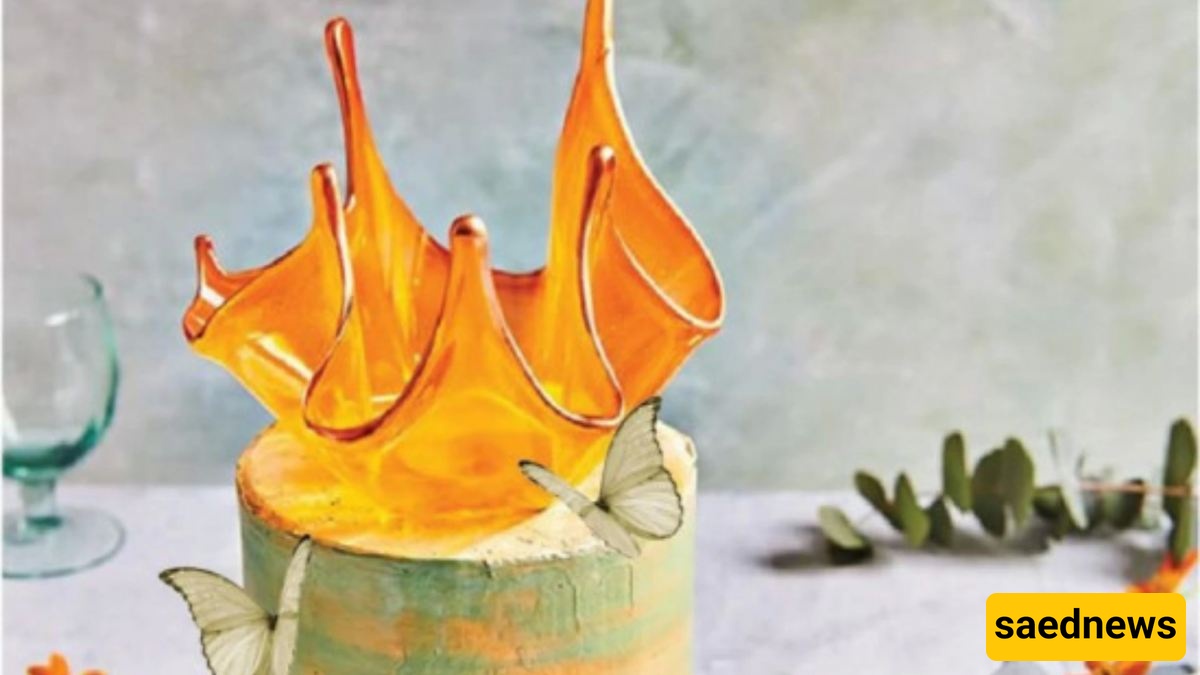
One of the most important and widely used applications of isomalt is pastry making, particularly cake and dessert decoration. Professional pastry chefs use it to create edible flowers, butterflies, geometric shapes, and delicate decorative elements.
To mold, shape, or use isomalt for decoration, it must first be heated. Once melted, it becomes highly flexible and can be shaped into a wide variety of forms. This characteristic allows pastry artists to create impressive edible works of art.
Interestingly, you do not need to be a professional to work with isomalt. With some practice and by following basic safety and preparation principles, anyone interested in cake decorating can use it to make homemade cakes and desserts more visually appealing.
There are two main types of isomalt commonly available for purchase:
This type of isomalt is sold as small or large granules in baking and cake-decorating supply stores. Raw isomalt must be heated to the appropriate temperature before it becomes transparent and ready to use.
The main advantage of purchasing raw isomalt and preparing it yourself is its significantly lower cost. However, if the heating process is not carried out correctly, it can result in a sticky and difficult-to-manage mess. It is therefore important to follow a reliable method for preparing clear melted isomalt.
Once prepared, the melted isomalt can be poured into silicone molds and left to cool. After it has cooled completely, it can be stored in resealable bags and used whenever needed.
The second type is pre-cooked, ready-to-use isomalt. This version is much easier to work with because it only needs to be melted before use.
In many cases, ready-to-use isomalt can be melted in a microwave and prepared for use in approximately 30 seconds. It is a convenient option for people who do not have enough time to prepare raw isomalt or who have limited experience working with it.
Despite its many advantages, several precautions should be observed when using isomalt.
Moderate consumption: The human body does not completely digest isomalt. Consuming excessive amounts may therefore cause digestive symptoms such as bloating, diarrhea, or abdominal discomfort. Moderate consumption is recommended.
Proper storage: Isomalt should be stored in a cool, dry environment to maintain its quality. After preparation, it is best kept in airtight containers away from moisture.
Be careful with high temperatures: Take care when melting isomalt to avoid burns. Melted isomalt becomes extremely hot and can cause serious burns if it comes into contact with the skin.
Purchase from reputable sources: To ensure product quality and safety, purchase food-grade isomalt from reputable baking-supply stores or established suppliers.