SAEDNEWS: Every province and city in the country has its own unique civilization and culture. For this reason, numerous titles and nicknames have been given to the country’s cities throughout history, from the past to the present.
According to Saedndews, Iran is a vast country with a civilization dating back around 7,000 years. Its cities and regions are known for their distinctive culture, landscapes, traditions, industries, and local products. Over time, many of them have acquired memorable nicknames that reflect their history and character.
Here are some of the best-known nicknames of Iranian cities and regions and the stories behind them.
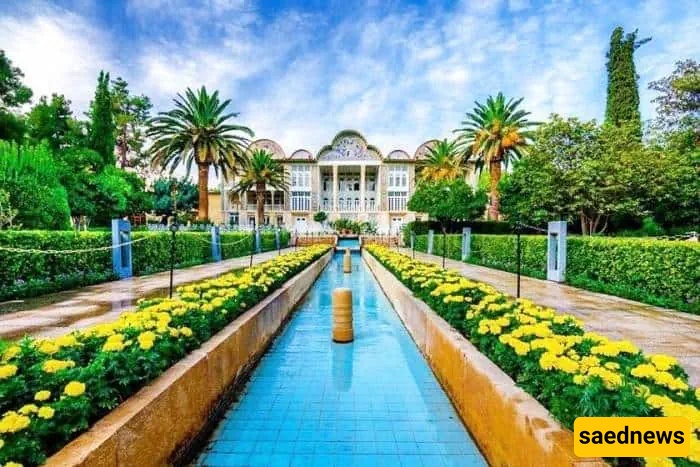
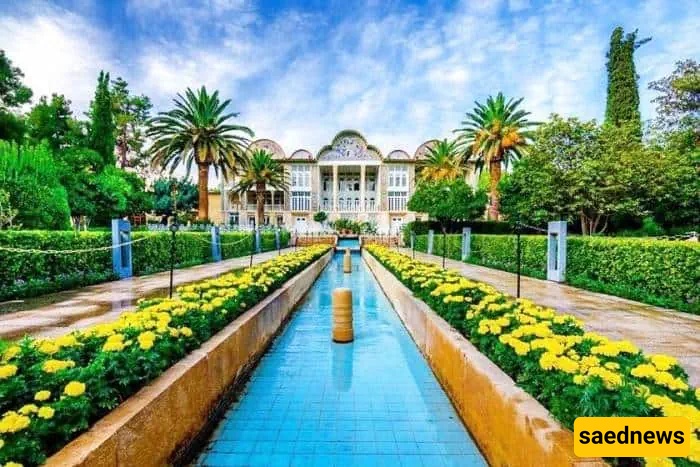
Shiraz is famously associated with poets Hafez and Saadi and is renowned for its beautiful gardens. The scent of bitter orange blossoms, particularly in spring, fills the city and attracts visitors from around the world.
For this reason, Shiraz is known as the City of Flowers and Nightingales and the City of Spring Orange Blossoms. It has also historically been called the City of Secrets, as well as the City of Joy and Grace and Dar al-Elm, meaning “House of Knowledge.”
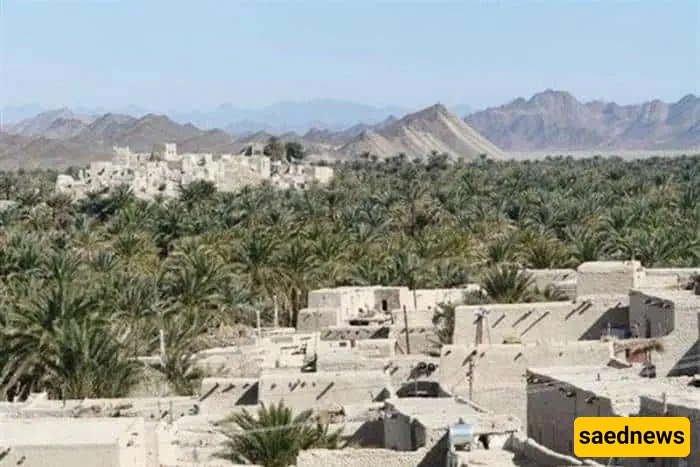
Sistan and Baluchestan is one of Iran’s largest provinces, located in the southeast of the country. It is connected with the legends of several famous Iranian figures, including Rostam and Yaqub ibn al-Layth al-Saffar.
With its combination of deserts, coastline, palm groves, and abundant sunshine, the province is often described as the Land of Palms and Sunshine, Desert and Sea.
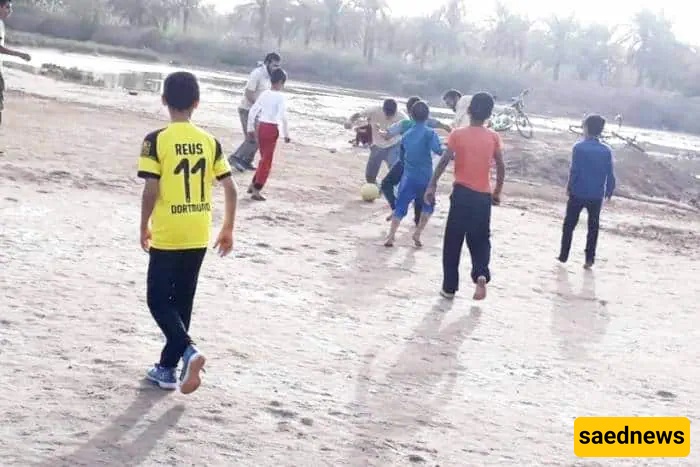
Abadan is widely known as the Brazil of Iran, a nickname closely associated with the city’s passionate football culture.
Football has long played an important role in Abadan, with the city having a strong tradition of football clubs and enthusiastic supporters. During football matches, Brazil’s familiar green and yellow colors can sometimes be seen among the crowds.
Chabahar is a beautiful coastal region with a mild climate throughout much of the year. Its name is commonly associated with the idea of “four springs,” reflecting its pleasant weather.
Because of its year-round springlike climate, Chabahar is known as the Land of Eternal Spring.
Urmia is associated with water because of its proximity to Lake Urmia and the region’s water resources.
The city is also known as the City of Religions, Denominations and Ethnic Groups, reflecting the historical presence of different communities, including Kurds, Azerbaijanis, and Christians.
Another historical nickname for Urmia is Dar al-Nashat, meaning the “House of Joy.” During the Qajar period, the city was associated with its pleasant climate, extensive fruit orchards, green landscapes, and coexistence among different communities.
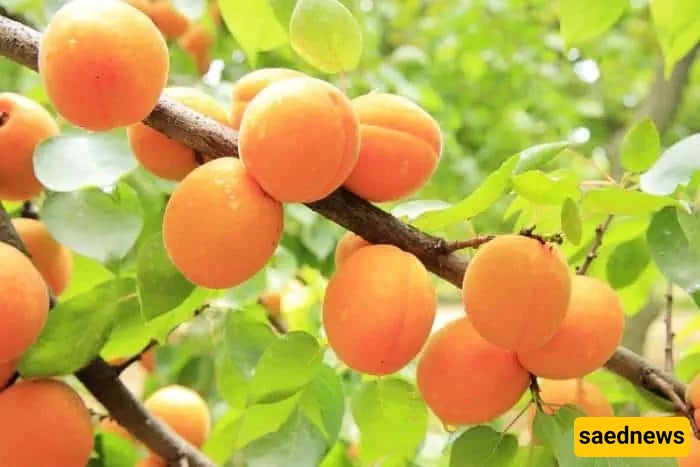
Damghan is one of Iran’s ancient cities. Alexander the Great is said to have stopped in the area around 330 BC, after which it became part of the Seleucid Empire and later an important city during the Parthian period.
Damghan is traditionally associated with the ancient name Hecatompylos, meaning “Hundred Gates.” The name referred to ancient cities with numerous entrances and came to be associated with Damghan because of its historical importance.
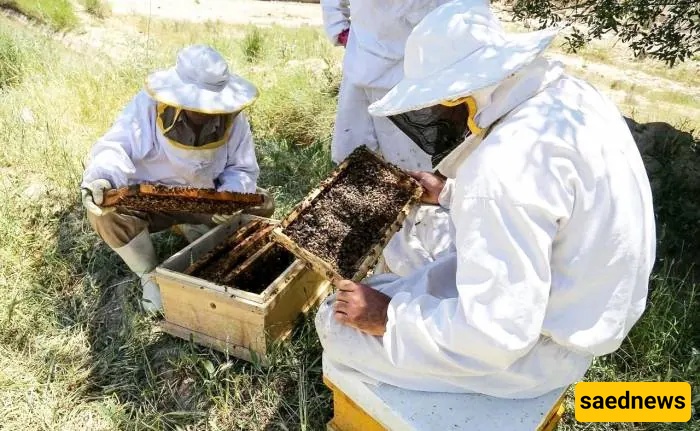
Ardabil is one of Iran’s historically significant cities and has been known by several titles, including Dar al-Rashad, Dar al-Aman, and the Paradise of Beekeepers.
It is sometimes called the Holy City because the name Ardabil has been linked to ancient Avestan elements interpreted as meaning “holy city.” The region also has deep connections with Iranian religious and cultural history.
During different historical periods, Ardabil was known as Dar al-Aman, or “House of Safety,” and Dar al-Rashad, or “House of Guidance.”
The nickname Paradise of Beekeepers is associated with the region’s famous honey, particularly honey from Mount Sabalan.
Ramsar is a lush northern city situated between the Caspian Sea and the forests and mountains of northern Iran.
Its beautiful vegetation, green landscapes, pleasant summer resorts, forests, and coastline have earned it the romantic nickname “The Bride of Iranian Cities.”
Isfahan is one of Iran’s largest and most historically important cities. It is famously known as “Half of the World,” a nickname reflecting its remarkable concentration of architectural and historical treasures.
The city is home to numerous palaces, gardens, mosques, churches, minarets, bridges, and historic houses that showcase centuries of Iranian civilization.
Its magnificent Islamic architecture and distinctive turquoise domes have also earned Isfahan the nickname “The City of Turquoise Domes.”
Another historical title associated with Isfahan is Dar al-Saltaneh, meaning “House of the Sultanate.”
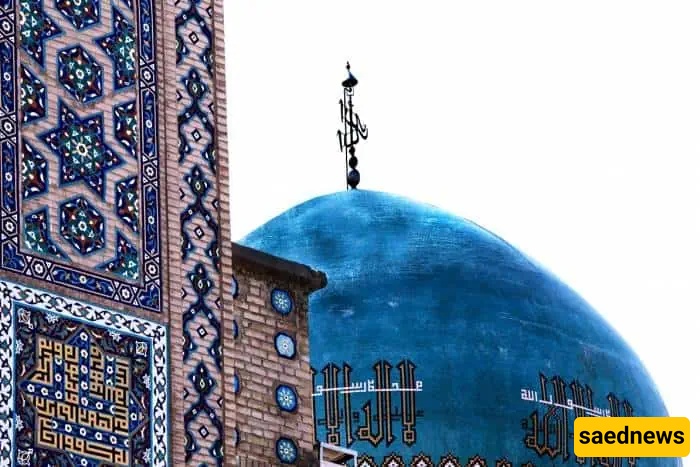
Rasht is the largest urban center in northern Iran and is famous for its humid climate and abundant rainfall.
For this reason, it is commonly known as the City of Rain and poetically as the City of Silver Rains.
Ahvaz is often called the City That Never Sleeps because the extremely hot daytime temperatures encourage many residents to spend more time outdoors during the evening and at night.
Restaurants, waterfront parks, fast-food shops, and local falafel stands often remain active late into the night.
Ahvaz is also known as the City of Bridges, thanks to the numerous bridges crossing the Karun River within the city.
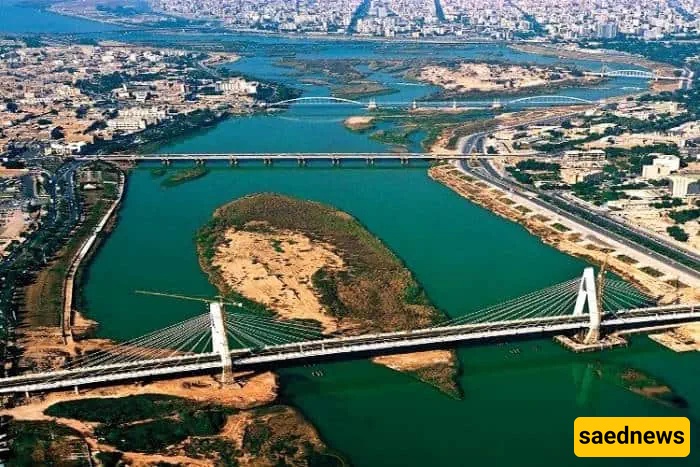
Rafsanjan is particularly famous for its extensive pistachio production.
Because pistachios are one of the region’s most valuable agricultural products, the city has earned the nickname “The City of Green Gold.” The area is home to vast pistachio orchards covering tens of thousands of hectares.
Ilam is a scenic city surrounded by the mountains and landscapes of the Zagros region.
Its natural beauty has earned it the nickname “The Bride of the Zagros.”
It is also associated with the title “Land of Sunrise.” Ancient Babylonian references to Elam used forms of the name that have been interpreted in connection with mountainous lands and the rising sun.
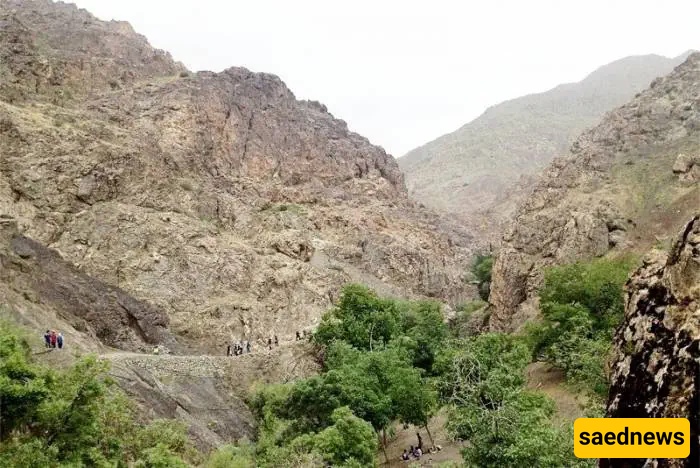
Chenesht is a village in South Khorasan known for the colorful traditional clothing worn by its residents.
Women traditionally wear brightly colored garments, including green, red, and blue dresses, patterned headscarves, and decorative silver accessories. Men traditionally wear distinctive long garments and head coverings.
Because of this vivid cultural appearance, Chenesht is known as the Land of Colors.
Borujerd is a small and scenic city surrounded by lowlands and beautiful countryside.
Its orderly urban setting, surrounding villages, gardens, and views toward the western landscape have led to the nickname “Little Paris.”
Interestingly, Bojnurd in North Khorasan has also been given the same nickname because of its organized streets, gardens, waterways, and historical European-inspired urban features.
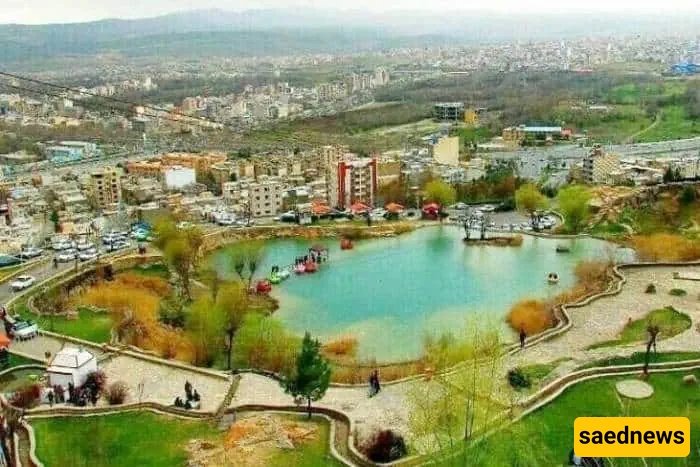
Makhunik is one of the most unusual villages in Iran, located in the eastern part of South Khorasan.
The village is famous for its unusually small traditional houses and the historically short stature of some of its inhabitants. Many of the old houses were constructed from stone, earth, branches, and other local materials, with very small entrances.
For this reason, Makhunik is often called “The Land of Iran’s Lilliputians.”
Borujen lies at an elevation of approximately 2,197 meters above sea level and is sometimes referred to as one of Iran’s high-altitude cities.
It is also known as “Little Greece,” a nickname associated with the large number of notable figures originating from the city in different fields.
Saravan is located in southeastern Iran near the Pakistani border and is one of the country’s easternmost cities.
Because the sun rises there earlier than in most other parts of Iran, Saravan is poetically known as the “Birthplace of Iran’s Sun.”
Bastam is closely associated with Iranian Sufi and mystical traditions.
The city was the birthplace of the renowned mystic Bayazid Bastami and is also connected with Sheikh Abu al-Hasan Kharaqani, another prominent figure in Persian mysticism.
For this reason, Bastam is known as the City of Mystics.
The city of Shabestar has also been associated with this title because of the famous Sufi poet and mystic Mahmoud Shabestari.
Sareyn is a popular tourist destination near Mount Sabalan, famous for its natural hot springs.
The city has numerous mineral hot springs that attract visitors seeking relaxation and wellness. Its name is also associated with the meaning “source” or “spring.”
For these reasons, Sareyn is known as the Land of Heavenly Springs.