SAEDNEWS: Better ventilation, shorter periods of steam exposure, and simple moisture-control habits can help keep bathroom humidity lower and reduce dampness.
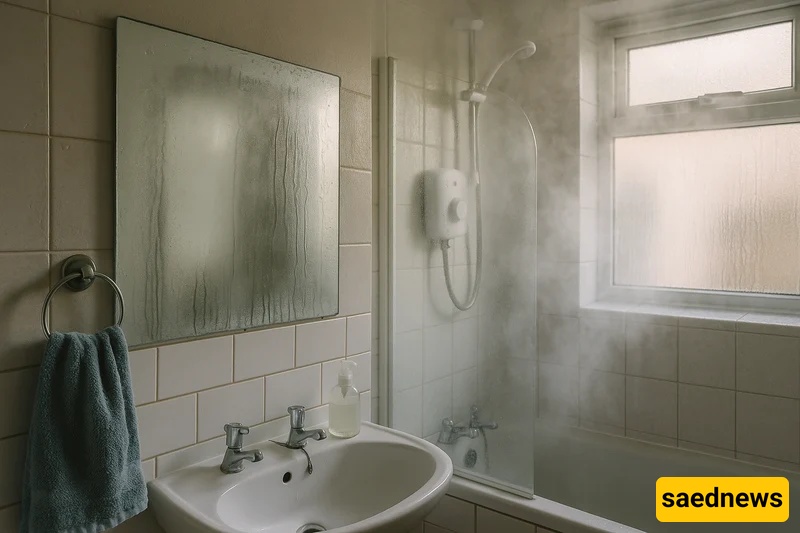
According to SAEDNEWS, excess moisture in the bathroom usually comes from hot showers, baths, wet surfaces, and limited air circulation. When humid air remains trapped for long periods, condensation can form on walls, mirrors, ceilings, and windows. Keeping moisture under control helps the room dry faster and can reduce conditions that support mold and mildew growth.
Ventilation is one of the most effective ways to remove humid air. If the bathroom has an exhaust fan, turn it on during a shower and leave it running for a while afterward. A window can also help release moist air when outdoor conditions allow.
Keep the bathroom door slightly open after use if doing so is practical and safe. This allows humid air to move out of the room instead of remaining trapped inside.

Small habits can make a noticeable difference in how quickly the bathroom dries:
Use a squeegee to remove water from shower walls and glass.
Hang towels so they can dry fully rather than leaving them in a damp pile.
Spread out the shower curtain so trapped water can evaporate more easily.
Wipe standing water from the floor when necessary.
Avoid leaving wet bath mats on the floor for long periods.
Condensation and splashed water should not be left to evaporate slowly whenever they can be removed easily. After bathing, wiping water from particularly wet surfaces can shorten drying time. Regularly checking corners, grout lines, and areas around the shower can also help identify places where moisture tends to remain.
If the bathroom stays damp even with regular ventilation and cleaning, the problem may not be caused only by showering. Poor ventilation, plumbing leaks, water entering from damaged seals, or inadequate airflow can all contribute to persistent moisture.
Unusual damp patches, peeling surfaces, a musty smell, or recurring mold may be signs that the underlying source needs attention. In such cases, identifying and correcting the moisture source is more useful than simply cleaning the visible symptoms.
A practical routine can keep humidity from lingering:
Turn on the exhaust fan or open a suitable window.
Spread out the shower curtain or door.
Remove excess water from shower surfaces.
Hang towels and bath mats so they can dry.
Allow the room to ventilate until surfaces are dry.
Consistent ventilation and quick removal of standing water are usually more effective than relying on a single moisture-control method.