SAEDNEWS: Bread quality is not the result of chance; it is the outcome of a series of well-informed decisions, from selecting the right raw materials to baking, cooling, and storage. This article explores scientific and practical approaches to improving bread quality.
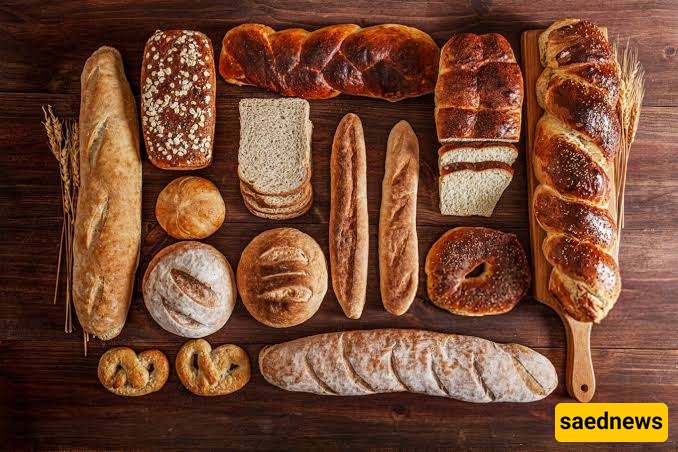
According to Saednews, Bread is one of the main components of the Iranian household diet and plays an essential role in providing the body with energy, protein, and minerals. According to available statistics, per-capita bread consumption in Iran is considerably higher than the global average, making bread quality especially important. However, in recent years, issues such as rapid staling, poor crumb texture, undesirable flavor, and short shelf life have become significant concerns for both producers and consumers.
Improving bread quality is not simply a matter of adding dough improvers. It is a chain of interconnected processes that begins with selecting and sourcing raw materials and continues through mixing, fermentation, baking, cooling, and storage. This article examines practical methods for improving bread quality based on scientific principles and industrial experience.
The final quality of bread largely reflects the quality of the ingredients used to make it. Therefore, the first step toward producing better bread is understanding and controlling the characteristics of each raw material.
Wheat flour is the most important component of dough, and its characteristics directly affect the quality of the finished bread. Protein content, gluten quality, extraction rate, moisture, and flour pH are among the key factors that should be monitored.
Flour suitable for producing yeast-leavened breads generally contains around 11–13% protein. Stronger gluten has a greater ability to retain the gas produced by yeast, resulting in a more open crumb structure and greater loaf volume. By contrast, lower-protein flours are generally better suited to cakes and biscuits.
Another important consideration is flour maturity. Very freshly milled flour can produce sticky dough and poor-quality bread because its gluten-forming properties have not fully developed. Allowing flour to mature for approximately two to four weeks under appropriate storage conditions can complete natural oxidation processes and improve its baking performance.
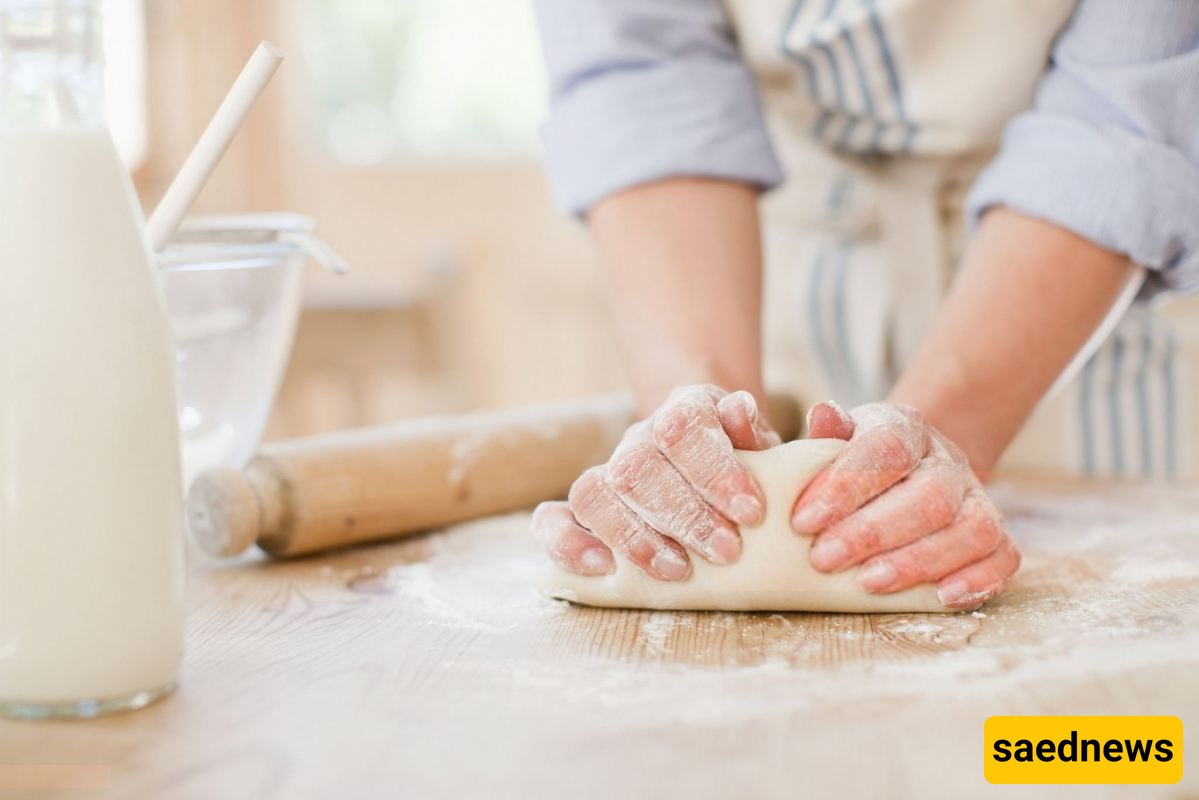
Water accounts for approximately 40–50% of dough weight, and its chemical characteristics affect gluten development and yeast activity. Hard water, which contains calcium and magnesium minerals, generally strengthens gluten, whereas extremely soft water can result in weak, sticky dough. A water pH of approximately 6.5–7 is generally suitable for bread production.
Yeast is responsible for producing carbon dioxide, alcohol, and aromatic compounds during fermentation. Using high-quality fresh yeast or active dry yeast, together with an appropriate temperature—around 25–30°C—and sufficient fermentation time, can increase loaf volume, improve crumb texture, and enhance bread aroma.
Weak or expired yeast can lead to incomplete fermentation and dense, heavy bread.
Salt does more than provide flavor. It strengthens the gluten network, regulates yeast activity, and can help slow staling, making it an important part of bread quality. A suitable salt level in many bread formulations is approximately 1.5–2% of the flour weight. Excessive reduction of salt can make the dough overly sticky and result in bland bread.
Enzymes such as alpha-amylase, xylanase, and lipase can be effective tools for improving bread quality when used appropriately.
Alpha-amylase breaks down part of the starch and makes sugars available for yeast fermentation. Xylanase modifies certain components of the flour's non-starch polysaccharides and can contribute to improved loaf volume and dough handling. Lipase can improve dough structure and contribute to a softer crumb.
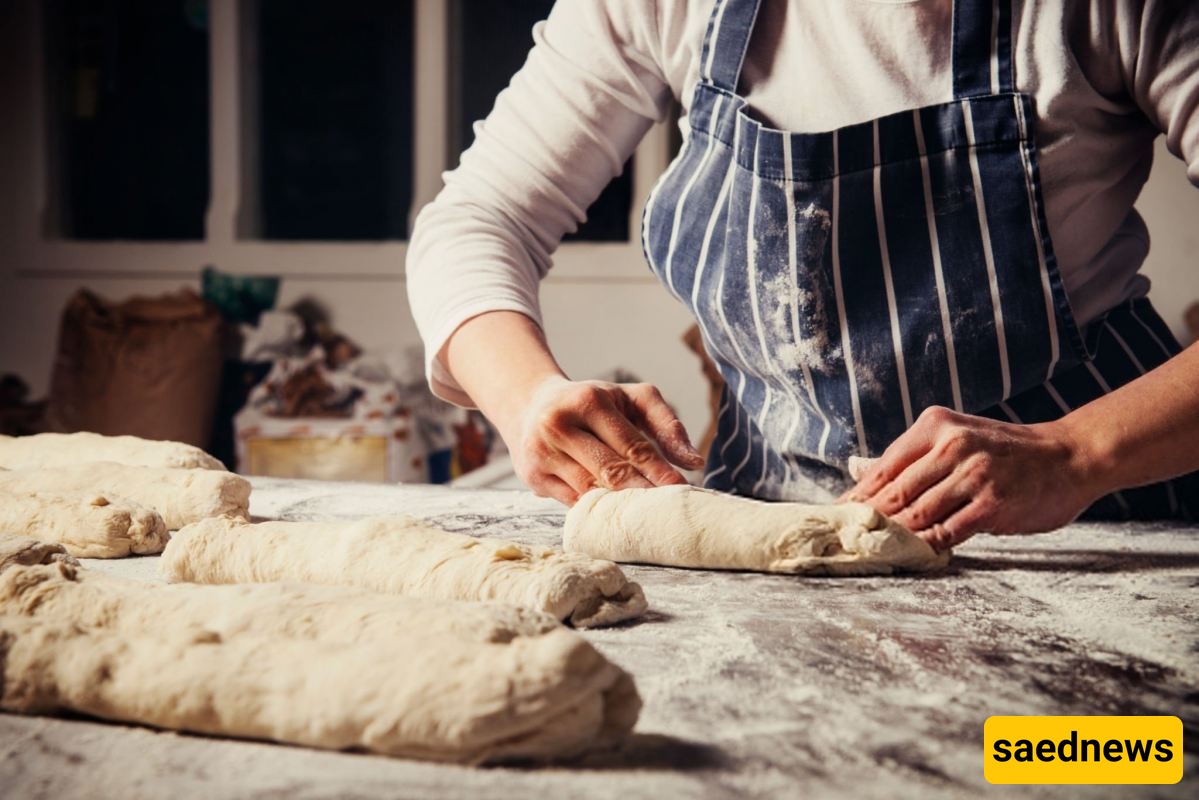
Mixing is the stage during which the gluten network develops. Insufficient kneading can produce weak gluten and low-volume bread, while excessive kneading can damage the gluten network and make the dough overly stretched and fragile.
Depending on the type of flour and mixing equipment, an appropriate kneading time is often around 8–15 minutes.
Fermentation is one of the most important stages in bread production. During this process, yeast consumes available sugars and produces gas, alcohol, and organic acids.
Adequate fermentation can lead to:
Greater loaf volume and crumb porosity
Better flavor and aroma
Improved digestibility
Slower staling
Under-fermented dough can produce heavy, bland bread, while over-fermentation can result in fragile texture and an excessively sour flavor.
Several fermentation methods can be used, including direct fermentation, sponge or pre-fermentation methods, and long fermentation at low temperatures. Long, cool fermentation can increase the formation of organic acids and significantly improve bread aroma and shelf life.
After the initial fermentation, the dough should be carefully divided and rounded to preserve the gas already incorporated into it. Excessive pressure or prolonged handling can release gas and reduce the final loaf volume.
Allowing the dough to rest for approximately 10–20 minutes after rounding helps the gluten network relax and recover, making shaping easier.
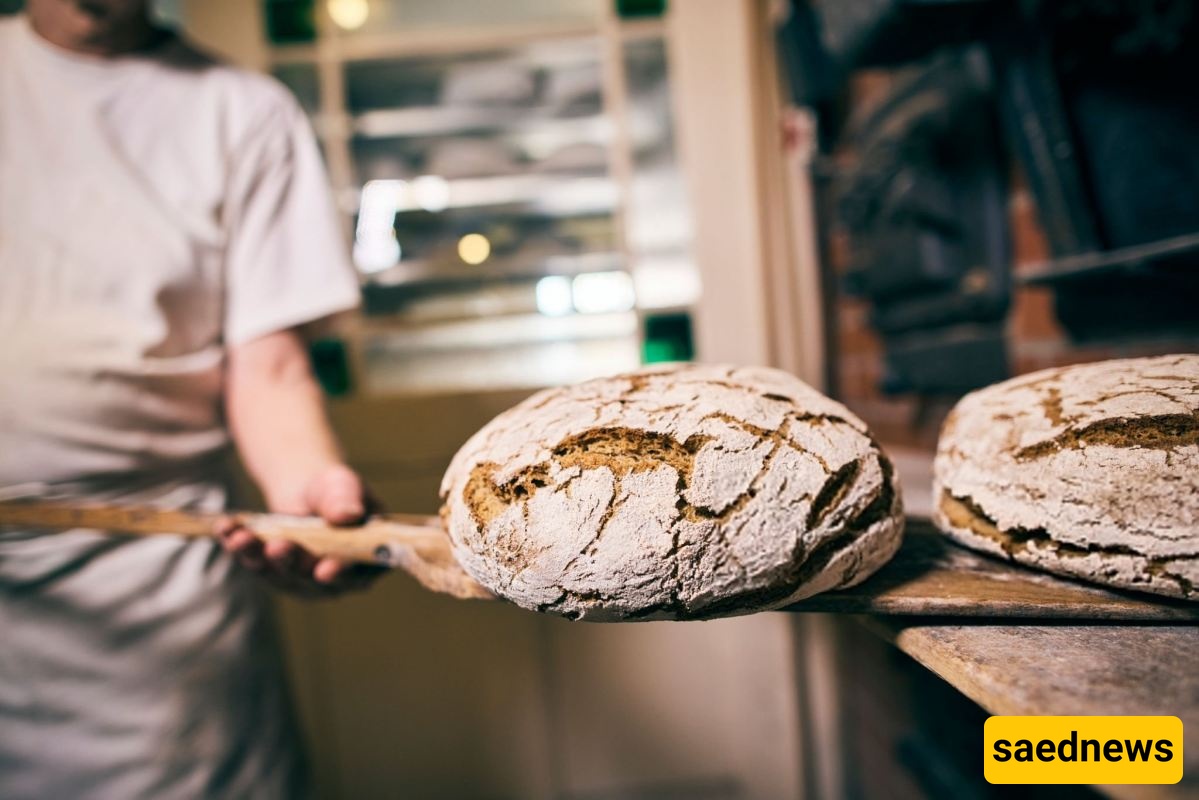
The appropriate baking temperature for bread is generally around 200–250°C. A temperature that is too low can result in incomplete baking, excessive retained moisture, and faster deterioration. Extremely high temperatures, on the other hand, can burn the crust while leaving the center underbaked.
Finding the right balance between temperature and baking time is essential for producing bread with a golden crust and a properly baked crumb.
Introducing steam during the early stages of baking keeps the dough surface moist, delays the formation of the crust, and allows the dough to expand to its maximum potential before the crust sets.
This relatively simple technique can have a significant effect on loaf volume, crust appearance, and overall bread quality.
After bread comes out of the oven, gradual cooling is essential. Cutting bread while it is still hot or packaging it before it has cooled sufficiently can cause condensation, encourage mold growth, and accelerate quality deterioration.
Bread should be cooled on racks in a well-ventilated environment at a suitable room temperature before packaging.
Staling is a complex process in which changes in starch structure contribute to a firmer crumb and loss of the bread's original freshness.
Several approaches can help slow this process:
Using alpha-amylase to modify starch and delay crumb firming
Adding suitable emulsifiers, such as monoglycerides
Using long fermentation methods
Packaging bread in materials that provide an appropriate moisture barrier
Avoiding refrigeration when possible; for longer storage, freezing is generally preferable to storing bread in the refrigerator
No production process can deliver consistent results without proper quality control. In commercial bakeries, characteristics such as specific volume, crust color, crumb porosity, moisture content, pH, and salt concentration should be measured periodically.
Sensory evaluation by a trained tasting panel is also an important method for assessing consumer acceptance. Appearance, aroma, texture, flavor, and overall eating quality can provide valuable information that laboratory measurements alone cannot capture.
Bread quality is not the result of chance. It is the outcome of a series of sound decisions made throughout the production chain, from grain and flour selection to the final product on the table.
Choosing flour with appropriate protein content, using quality water and active yeast, controlling salt levels, and applying enzymes intelligently provide the foundation for consistent quality. Proper kneading, adequate fermentation, careful shaping, controlled baking, appropriate steam, and thorough cooling then determine much of the final difference between ordinary bread and high-quality bread.
Bread producers can make substantial improvements by training employees, equipping bakeries with appropriate quality-control instruments, and consistently following good hygiene and production practices. Consumers also contribute to this process by learning how to recognize quality bread and store it correctly.
Ultimately, improving bread quality is more than an industrial objective. It represents an investment in public health, economic efficiency, and the food culture of society.