SAEDNEWS: Rice can be part of a healthy pregnancy diet when combined with a variety of nutrient-rich foods. Choosing different grains and balanced meals helps support overall maternal and fetal nutrition.
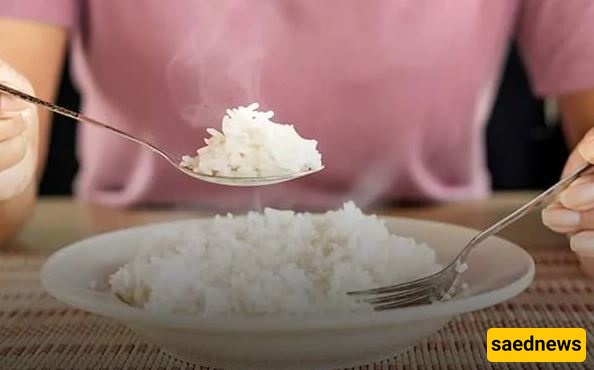
According to SAEDNEWS, rice is a common staple food in many cultures and can provide energy during pregnancy. It is mainly a source of carbohydrates, which the body uses as fuel for daily activities and the increased energy needs associated with pregnancy. However, a healthy pregnancy diet should not rely on rice alone, because different foods provide different essential nutrients.
Rice can be included in balanced meals alongside protein sources, vegetables, fruits, and healthy fats. It provides carbohydrates that help maintain energy levels, especially when combined with foods that contain fiber, vitamins, minerals, and protein.
Different types of rice have different nutritional characteristics. For example:
• Brown rice contains more fiber and some nutrients because it retains the outer layers of the grain.
• White rice is easier to digest for some people and can still be part of a balanced diet when eaten with nutrient-rich foods.
• Fortified rice products may provide additional nutrients depending on how they are prepared.
The best choice can depend on individual dietary needs, preferences, and overall eating patterns.
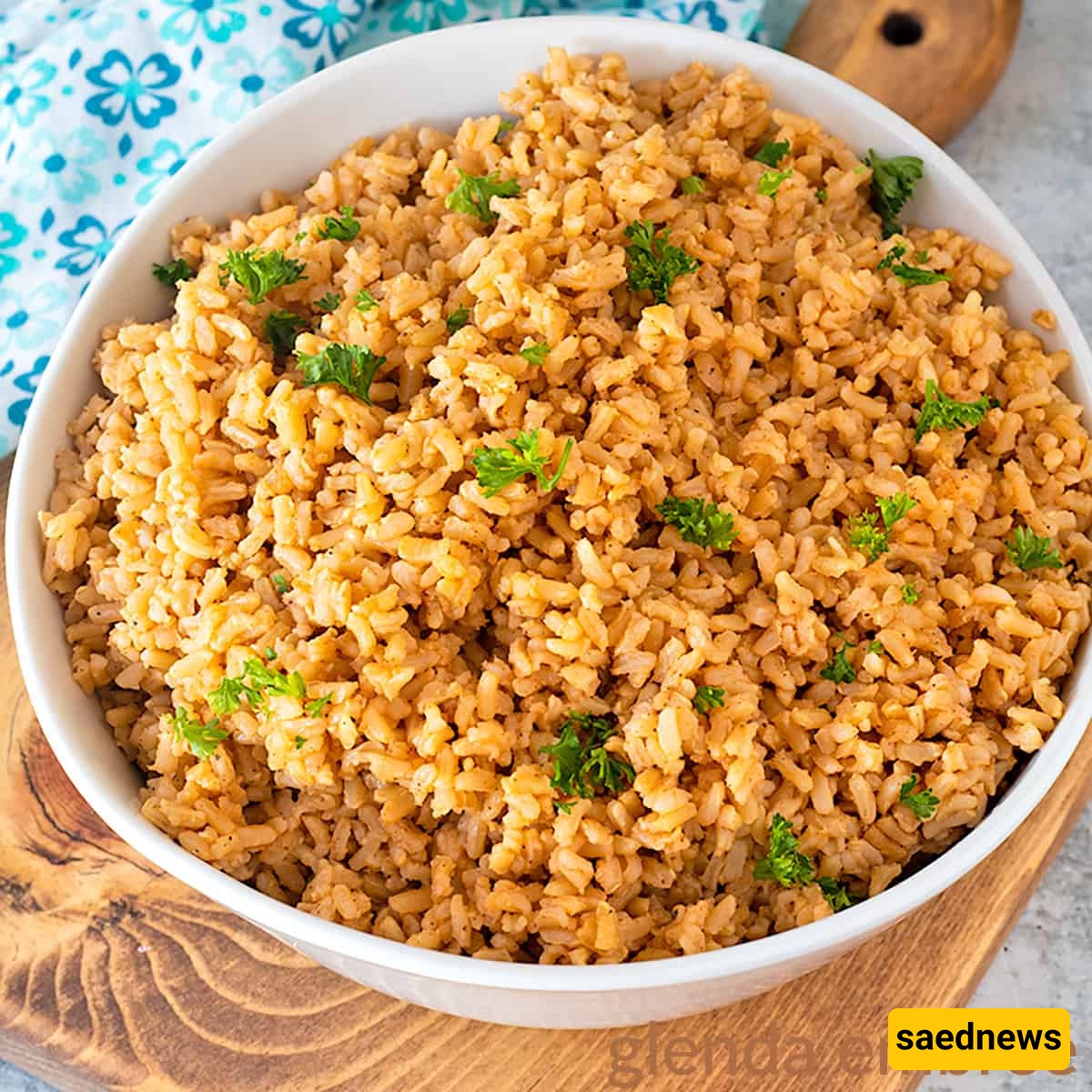
Eating a wide range of foods helps increase the chance of receiving important nutrients needed during pregnancy. A varied diet can include:
• Whole grains and other grain products
• Vegetables and fruits with different colors and nutrients
• Protein sources such as eggs, legumes, fish that are considered safe during pregnancy, poultry, or other suitable options
• Dairy products or other calcium-rich foods
• Nuts and seeds when appropriate
Each food group contributes different nutrients. For example, protein supports the growth of body tissues, calcium contributes to bone health, and iron is important for making hemoglobin and supporting oxygen transport.
Rice does not need to be removed from the diet. Instead, it can be combined with other foods to create more complete meals:
Add vegetables
Including vegetables with rice can increase the meal’s vitamin, mineral, and fiber content.
Include a protein source
Pairing rice with foods rich in protein can make the meal more satisfying and nutritionally balanced.
Choose different grains sometimes
Replacing rice occasionally with other suitable grains can add more variety to the diet.
Pay attention to portion balance
A balanced plate usually includes a combination of carbohydrates, protein, and vegetables rather than focusing on only one food group.
Pregnancy nutrition needs can vary depending on factors such as overall health, activity level, dietary habits, and medical advice from healthcare providers. Some pregnant women may need specific dietary guidance, especially if they have conditions that affect blood sugar control or nutrient requirements.
Rice can be a healthy part of pregnancy nutrition, but variety remains a key principle. Combining rice with different nutrient-dense foods helps create meals that better support the changing needs of the mother and developing baby.