SAEDNEWS: Good sitting habits and simple posture adjustments can help reduce strain on the back during pregnancy and make everyday activities more comfortable.
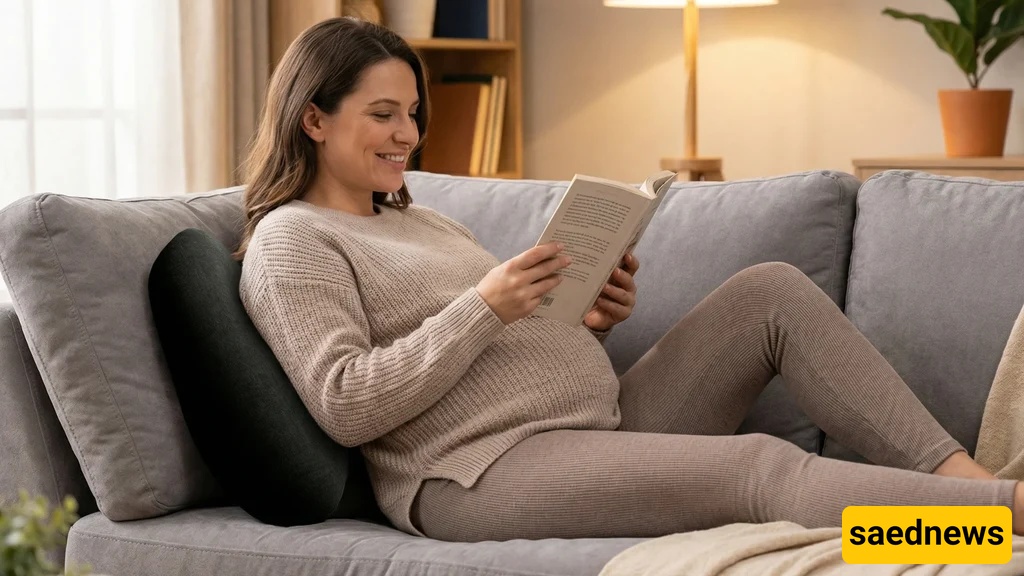
According to SAEDNEWS, changes in body shape and weight distribution during pregnancy can place additional demands on the back and pelvis. Paying attention to sitting posture, taking regular movement breaks, and using appropriate support can help reduce unnecessary strain.
A comfortable sitting position starts with keeping the back supported rather than leaning backward or slouching forward. A chair with good lower-back support can be helpful, while a small cushion placed behind the lower back may provide additional comfort if needed.
Try to keep both feet supported on the floor or on a stable footrest. The hips should be positioned comfortably, and the shoulders should remain relaxed rather than rounded forward. Sitting for long periods in one fixed position can also increase discomfort, so changing position regularly is useful.
Several small adjustments can make prolonged sitting easier during pregnancy:
Keep frequently used items within easy reach to avoid repeated twisting.
Avoid crossing the legs for long periods if it makes the position uncomfortable.
Change position regularly instead of remaining seated for extended periods.
Take short movement breaks during desk work or other seated activities.
When getting up, move gradually and use the chair or another stable surface for support if necessary.
Choose footwear that feels stable and comfortable for everyday movement.
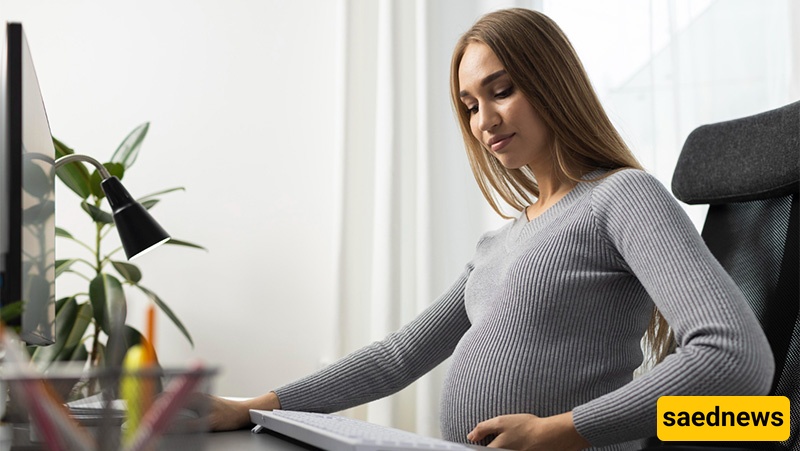
For pregnant women who spend several hours at a desk, the arrangement of the chair, desk, and screen can make a noticeable difference in comfort. The screen should be positioned so that the head does not need to remain tilted downward. The keyboard and other frequently used items should be close enough to prevent leaning forward.
Rather than trying to maintain one rigid “perfect” posture all day, focus on a supported and comfortable position and change it regularly. Gentle movement between periods of sitting can help prevent stiffness.
Back discomfort is common during pregnancy, but severe, persistent, or unusual pain should not simply be attributed to pregnancy. Medical advice is appropriate if back pain is intense, follows an injury, is accompanied by fever, weakness, numbness, difficulty controlling the bladder or bowel, vaginal bleeding, or other concerning symptoms. Pregnant women should also contact their healthcare provider if they are unsure whether new or worsening pain requires assessment.
Good sitting habits cannot prevent every cause of pregnancy-related back pain, but they can reduce avoidable strain and support greater comfort during daily activities.