SAEDNEWS: If you want to learn whether mung beans are considered cold or hot in traditional medicine and discover their recommended correctives, stay with us.
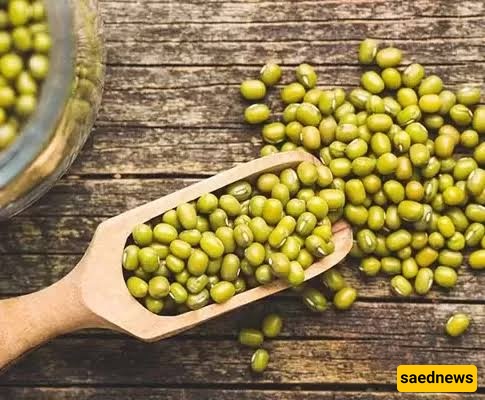
According to Saednews, Mung beans are one of the best plant-based sources of protein. Thanks to their essential amino acids, abundant antioxidants, and numerous nutrients, they may help lower blood pressure, reduce LDL cholesterol levels, and decrease the risk of heart disease.
Adding mung beans to your daily diet can help provide many of the vitamins and minerals your body needs while supporting overall health and energy levels. Below, you can learn about the traditional properties of mung beans, their recommended accompaniments, and two delicious recipes.
In traditional medicine, mung beans with their skin are considered cold and dry, while peeled mung beans are regarded as having a moderate temperament.
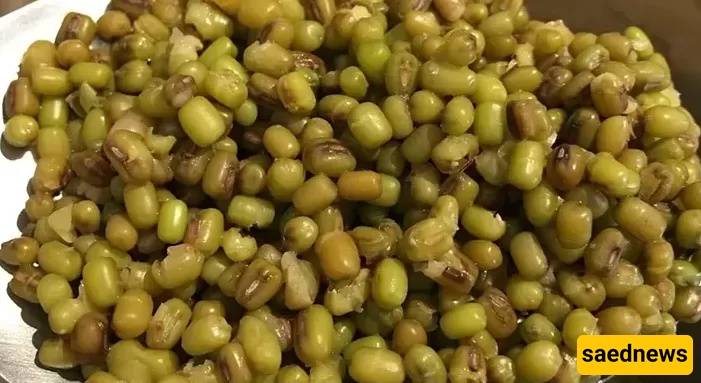
According to traditional medicine, mung beans are commonly combined with ingredients such as:
Mustard
Ginger
Sumac
Cinnamon
Cumin
Black pepper
Safflower seeds
Cloves
Sweet almond oil
Mung beans have traditionally been used for a variety of purposes, including:
Helping relieve excess heat associated with bile and the blood
Peeled mung beans may help relieve constipation
Mung beans with their skin have traditionally been used for diarrhea
Supporting healthy vision and the nervous system
Mung bean soup prepared with chicken or meat broth may help soothe coughs
Cooked mung beans combined with vinegar have traditionally been used as a topical remedy for eczema and certain skin conditions
Supporting people experiencing physical weakness
Supporting the body during colds
Supporting eye health
Supporting fetal brain development
Supporting digestive health during pregnancy
Helping support children's memory
Traditionally used to help with influenza in children
Supporting healthy blood circulation
Helping relieve persistent hiccups
Traditionally used to reduce swelling
Supporting clearer skin and reducing acne
Helping reduce the risk of stroke
Supporting a healthy pregnancy
Supporting insulin secretion
Supporting breast milk production in nursing mothers
Ground beef: 250 g
Grated onion: ½ cup
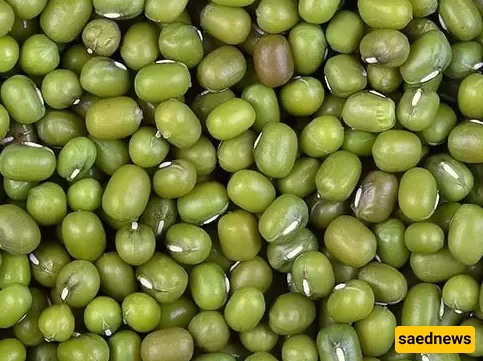
Mung beans: 250 g
Lentils: 100 g
Fried onions: 1 cup
Rice: ½ cup
Chopped parsley and cilantro: 250 g
Turmeric, salt, and pepper: as needed
Wash and soak the lentils and mung beans for several hours. Then place them in a pot with water and cook until tender.
Combine the ground beef with grated onion, salt, pepper, and turmeric. Shape the mixture into small meatballs and add them to the soup.
Add the fried onions to the cooked lentils and mung beans. Then add the rice and chopped herbs. Stir regularly to prevent the soup from sticking to the bottom of the pot.
If desired, you can also add 3–4 chopped turnips.
Transfer the finished soup to a large serving bowl and garnish with fried mint and fried onions.
Mung bean sprouts: 250 g
Grated carrots: 400 g
Pasteurized strained yogurt: 120 g
Chopped parsley: 3 tablespoons
Bulgur wheat: 5 tablespoons
Eggs: 3
Cooking oil: 5–6 tablespoons
Salt and pepper: as needed
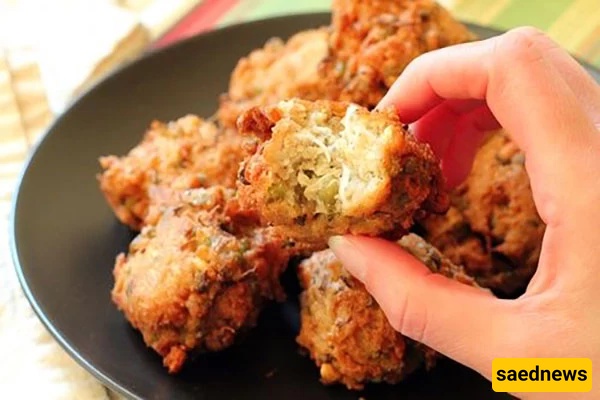
Place the bulgur wheat in boiling water and cook for a few minutes. Drain it in a strainer and allow the excess water to drain completely.
Wash the mung bean sprouts and drain them as well.
In a bowl, combine the grated carrots, mung bean sprouts, bulgur wheat, strained yogurt, salt, and pepper. You can chop the sprouts if desired.
Add the eggs and mix well. Finally, add the chopped parsley and combine all the ingredients thoroughly.
Heat the cooking oil in a frying pan. Pour the prepared mixture into the pan and cook over medium-low heat.
Once the bottom is golden and cooked, cut the kuku into portions and carefully flip them so the other side can cook evenly.
Serve the mung bean kuku with mayonnaise or your favorite dipping sauce.