SAEDNEWS: Drinking enough water is essential for good health, but the way you drink it matters just as much as the amount. Many people unknowingly develop habits that reduce the benefits of proper hydration. In this article, we are going to explore the most common mistakes people make when drinking water and how to avoid them.
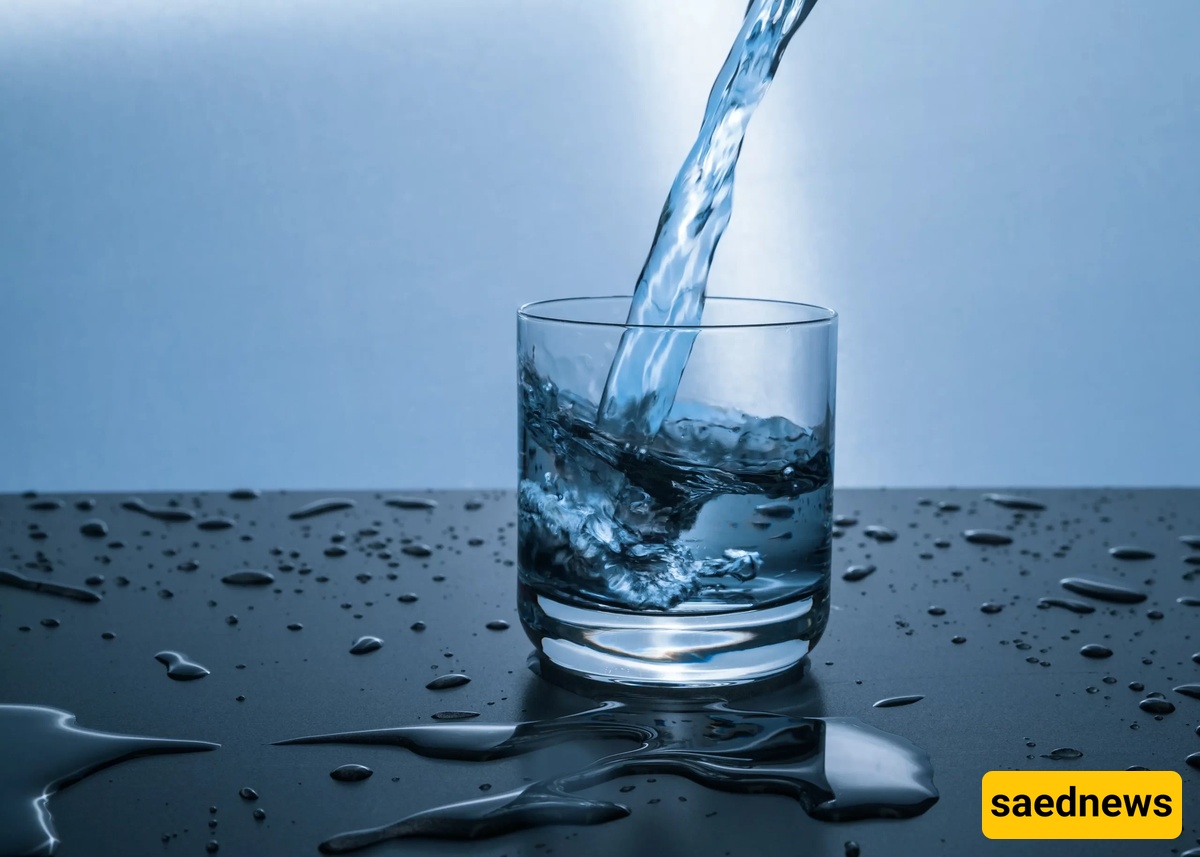
According to SAEDNEWS, staying hydrated supports digestion, regulates body temperature, and helps every organ function efficiently. However, even people who drink plenty of water may not be getting the full benefits if they follow poor hydration habits. Learning what to avoid can help you maintain better health and improve your daily energy levels.
One of the most common mistakes is waiting until you feel extremely thirsty before drinking water. Thirst is often a sign that your body is already becoming dehydrated. Instead of relying only on thirst, develop the habit of drinking water regularly throughout the day, especially during hot weather or after physical activity.
Some people try to meet their daily water needs by drinking large amounts in a short period. This is less effective than spreading water intake throughout the day. Drinking excessive amounts at once may cause discomfort and, in rare cases, can dilute the body's sodium levels. Small, consistent sips are generally a better approach for maintaining hydration.
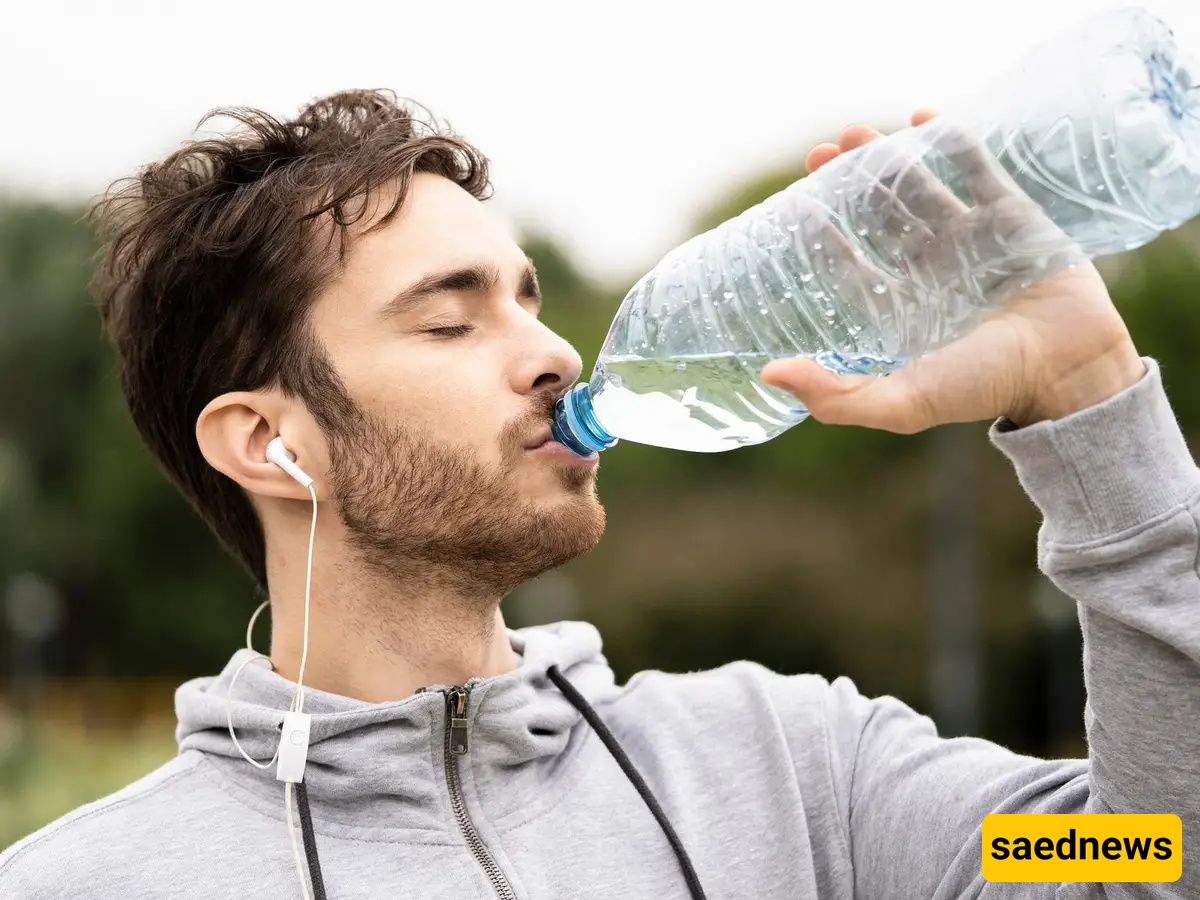
Many people assume that soft drinks, sweetened juices, or flavored beverages can replace plain water. While these drinks contain fluids, they often come with added sugars and unnecessary calories. Water remains the healthiest choice for staying hydrated without increasing sugar intake.
Exercise, outdoor work, and hot weather increase fluid loss through sweat. A common mistake is maintaining the same water intake regardless of activity level. It is important to drink additional water before, during, and after exercise to replace lost fluids and support physical performance.
Some individuals become so busy that they forget to drink water for several hours. This can lead to fatigue, headaches, reduced concentration, and dry mouth. Keeping a reusable water bottle nearby or setting reminders can make it easier to drink water consistently throughout the day.
There is no universal amount of water that suits everyone. Hydration needs vary depending on age, body size, climate, physical activity, diet, and overall health. Paying attention to your body's signals and adjusting your intake based on your daily routine is a more effective strategy than following a single fixed recommendation.