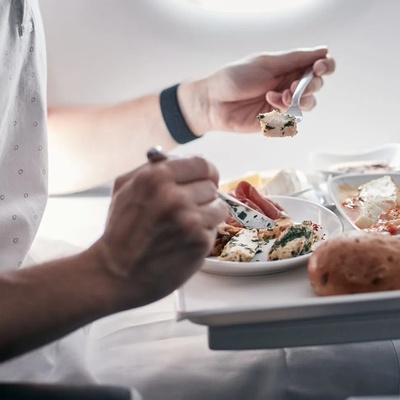
SAEDNEWS: Thawing frozen foods correctly is essential for preserving their quality and reducing the risk of foodborne illness. Some common habits, such as leaving food at room temperature for hours or repeatedly freezing and thawing it, can create unsafe conditions.
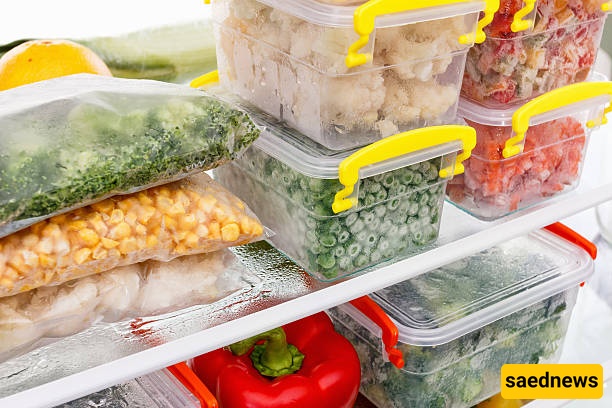
According to SAEDNEWS, Knowing the right thawing methods can make food preparation safer and more effective.
One of the most common thawing mistakes is leaving frozen meat, poultry, seafood, or other perishable foods on the kitchen counter for several hours. As the outer layers warm up, bacteria can multiply rapidly while the center remains frozen. Thawing perishable foods in the refrigerator is generally a safer choice because it keeps the food at a consistently cold temperature.

Hot water may seem like a quick solution, but it can warm the surface of frozen food into an unsafe temperature range while the inside remains frozen. If water is used for faster thawing, cold water is a better option, with the food kept in a leak-proof package and the water changed regularly. Food thawed using cold water should be cooked promptly.
Improper thawing can also spread harmful microorganisms to kitchen surfaces and other foods. Frozen meat or poultry should be placed in a container or sealed bag to prevent its juices from leaking onto shelves or ready-to-eat foods. Washing hands, utensils, and surfaces after handling raw food is another important step in preventing cross-contamination.
Refreezing thawed food is not always unsafe, but the method used for thawing matters. Food that has thawed safely in the refrigerator can generally be refrozen, although its texture and quality may change. Food that has been left at room temperature for an extended period should not simply be returned to the freezer.
A food item may look perfectly normal after thawing even when unsafe bacterial growth has occurred. Smell, color, and appearance are not reliable ways to determine whether food is safe to eat. Using safe thawing methods and cooking foods to appropriate internal temperatures is more dependable than judging safety by appearance alone.