SAEDNEWS: 12 Creative Ways to Use Tangerine Peels in Everyday Life
According to Saednews, Every citrus season, large quantities of mandarin orange peels are thrown away as household waste. However, these often-overlooked parts of the fruit are rich in valuable natural compounds and have a wide range of uses in cooking, personal care, home cleaning, and gardening.
Mandarin peels contain essential oils, flavonoids, and significant amounts of dietary fiber. These properties have made them useful in various cultures, particularly in traditional East Asian medicine.
In this article, we explore 12 practical uses for mandarin orange peels, showing how this everyday kitchen waste can be turned into something useful.
Before exploring their uses, it is helpful to understand what makes mandarin peels valuable. Their main components include:
Essential oils: Such as limonene, which gives the peel its distinctive citrus fragrance and grease-cutting properties.
Flavonoids: Including hesperidin and nobiletin, known for their antioxidant activity.
Vitamin C: Along with small amounts of B vitamins.
Pectin and soluble fiber: Which contribute to digestive health.
Organic acids and minerals: Including potassium and calcium.
This combination of natural compounds makes mandarin peels useful in cooking, personal care, and household applications.

Freshly grated mandarin zest adds a bright, refreshing aroma to cakes, cookies, brownies, and dessert creams.
Dried mandarin peel and powdered zest are also used in many recipes to provide a natural citrus flavor. They offer an alternative to artificial flavorings and extracts.
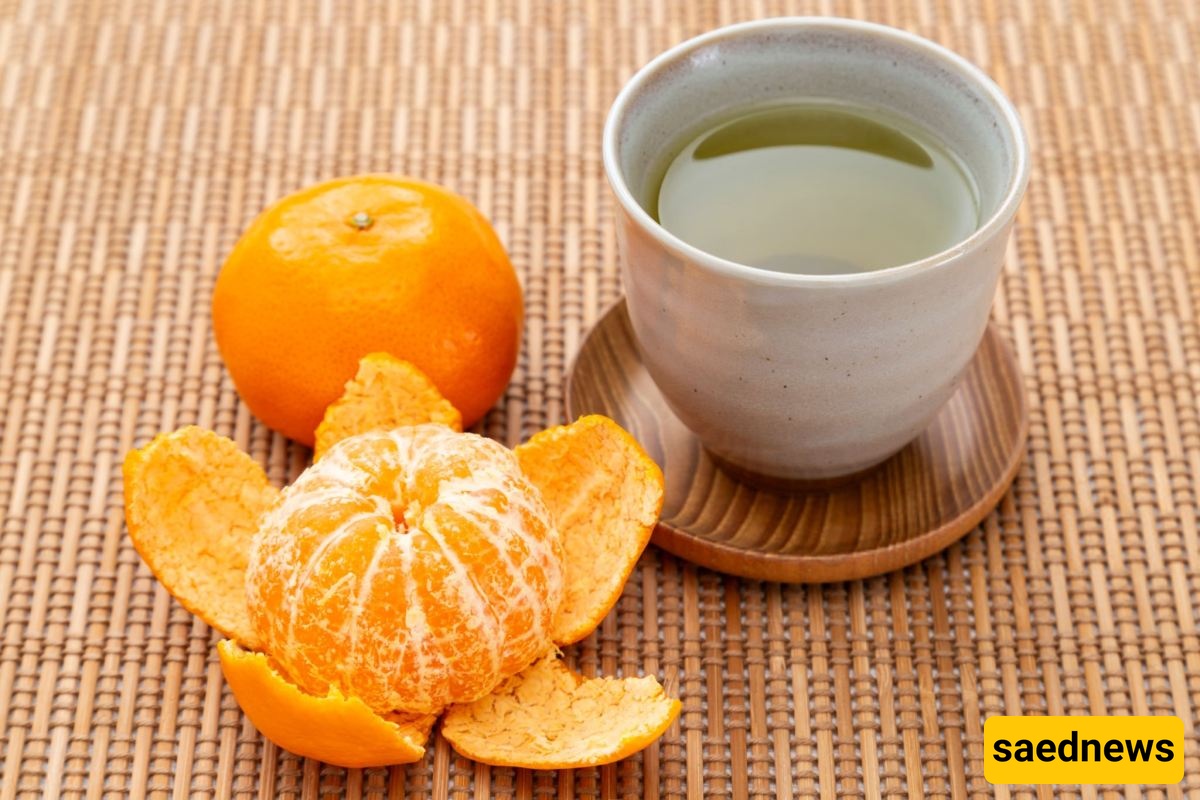
One of the most popular uses for mandarin peels is preparing herbal tea.
Simply steep fresh or dried mandarin peels in boiling water. Add a little honey and, if desired, cinnamon or ginger for extra flavor.
This warm, caffeine-free drink is particularly enjoyable during colder months and can be a pleasant alternative to regular tea.
Mandarin peels contain pectin, a natural substance that helps thicken jams and marmalades.
They also add a distinctive citrus flavor and texture.
To reduce their natural bitterness, boil the peels several times, changing the water between each boil, before adding them to your jam recipe.
Dried mandarin peel can be ground into a fine powder and used as a seasoning for fish, chicken, salads, and soups.
Citrus peel powder is also used in Middle Eastern and East Asian cooking, where it adds a pleasant aroma and a slightly tangy flavor to different dishes.
Some studies suggest that compounds found in citrus peels may influence digestive secretions and help relieve feelings of bloating.
In traditional medicine, mandarin peel tea is often consumed after meals as a natural digestive aid.
However, scientific evidence supporting these benefits in humans is still limited.
Mandarin peels contain flavonoids and other antioxidant compounds that can help neutralize free radicals.
Although they are not a substitute for a balanced diet, incorporating properly prepared citrus peels into meals may contribute to overall antioxidant intake.
Chewing a small piece of fresh mandarin peel has traditionally been used as a way to freshen breath.
The citrus aroma, partly associated with its limonene content, can help temporarily mask unpleasant odors.
Important: Always wash mandarin peels thoroughly before eating them. Choose organically grown fruit when possible, as pesticide residues may accumulate on the outer surface.
Mandarin peels contain vitamin C and naturally occurring organic acids, making them a popular ingredient in homemade skincare preparations.
Try mixing finely ground, dried mandarin peel with yogurt or honey. Apply the mixture to your face for 10–15 minutes, then rinse thoroughly.
This preparation may help improve the appearance of dull skin, although its effectiveness has not been firmly established by clinical research.
Avoid applying citrus peel preparations to irritated or sensitive skin.

A cooled infusion made from boiled mandarin peels is sometimes used as a final hair rinse.
It leaves a pleasant citrus fragrance and may help remove some surface oil from the hair and scalp.
However, its effectiveness as a hair treatment has not been scientifically established.
Boiling mandarin peels with water, cloves, and cinnamon creates a warm, refreshing fragrance throughout your home.
It is an inexpensive way to naturally scent indoor spaces without relying on commercial air fresheners.
You can also place completely dried mandarin peels in small fabric bags inside wardrobes to help reduce unpleasant odors.

Limonene, a natural compound found in mandarin peel essential oil, has grease-dissolving properties.
There are two simple ways to use mandarin peels for household cleaning:
Rub the inside of a fresh peel over greasy surfaces, then wipe clean.
Place citrus peels in a jar of vinegar and leave them to infuse for several days. Strain the liquid and use it as a homemade household cleaner.
Always test the solution on a small, inconspicuous area first, as acidic cleaners may damage certain surfaces.
Never mix vinegar-based cleaners with bleach.
Dried and crushed mandarin peels can be added to compost or scattered around garden areas.
Citrus essential oils contain compounds that may repel certain small insects, making citrus peels a potential natural addition to garden pest-management practices.
However, their effectiveness varies, and they should not be considered a complete replacement for established pest-control methods.
To make the most of mandarin peels throughout the year, proper drying and storage are essential.
Follow these simple steps:
Wash the peels thoroughly to remove dirt and surface residues.
Cut them into evenly sized pieces.
Spread them out in a shaded, well-ventilated area.
Allow them to dry completely until all moisture has disappeared.
Store the dried peels in an airtight glass container away from direct sunlight.
For convenient everyday use, grind the dried peels into a fine powder.
When stored properly in a cool, dry place, dried mandarin peels may retain their quality for approximately one year. Discard them if you notice mold, unusual odors, or signs of moisture.
Although mandarin peels have many practical uses, a few precautions are worth keeping in mind.
Pesticide residues: Citrus peels may contain pesticide residues. Wash them thoroughly and consider choosing organically grown fruit.
Skin sensitivity: Citrus oils may cause irritation or allergic reactions in some people. Test any homemade skincare preparation on a small area first.
Sun sensitivity: Certain citrus compounds may increase skin sensitivity to sunlight. Avoid applying citrus preparations before sun exposure.
Moderate consumption: Mandarin peels are not medicines, and excessive consumption is not recommended. Avoid consuming concentrated essential oils.
Medication interactions: People taking regular medication should consult a healthcare professional before using concentrated citrus peel extracts or supplements.

Mandarin orange peels are a great example of how something commonly considered kitchen waste can have surprising everyday value.
From making fragrant herbal teas and enhancing the flavor of desserts to creating homemade cleaning solutions, freshening indoor spaces, and exploring natural skincare, these humble peels offer a variety of practical possibilities.
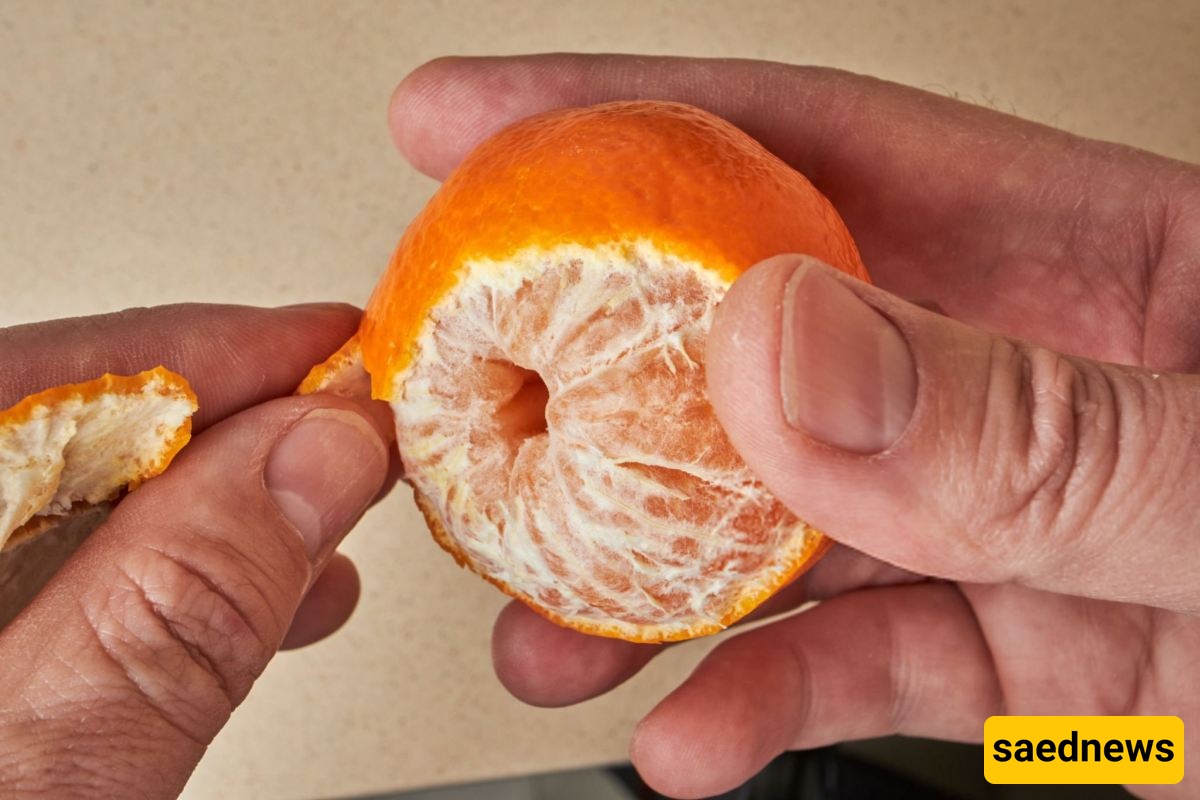
Reusing mandarin peels not only helps reduce household waste but also encourages a more sustainable and resource-conscious lifestyle.
With proper cleaning, preparation, and storage, you can easily turn this overlooked part of the fruit into a useful addition to your daily routine.

The next time you enjoy a mandarin orange, think twice before throwing away the peel. It may be more useful than you think!