SAEDNEWS: Insufficient foam from a coffee machine can result from anything from using the wrong type of milk to faulty internal components. In this article, we explore 12 common reasons behind weak milk froth and poor espresso crema, along with practical solutions to fix each problem.
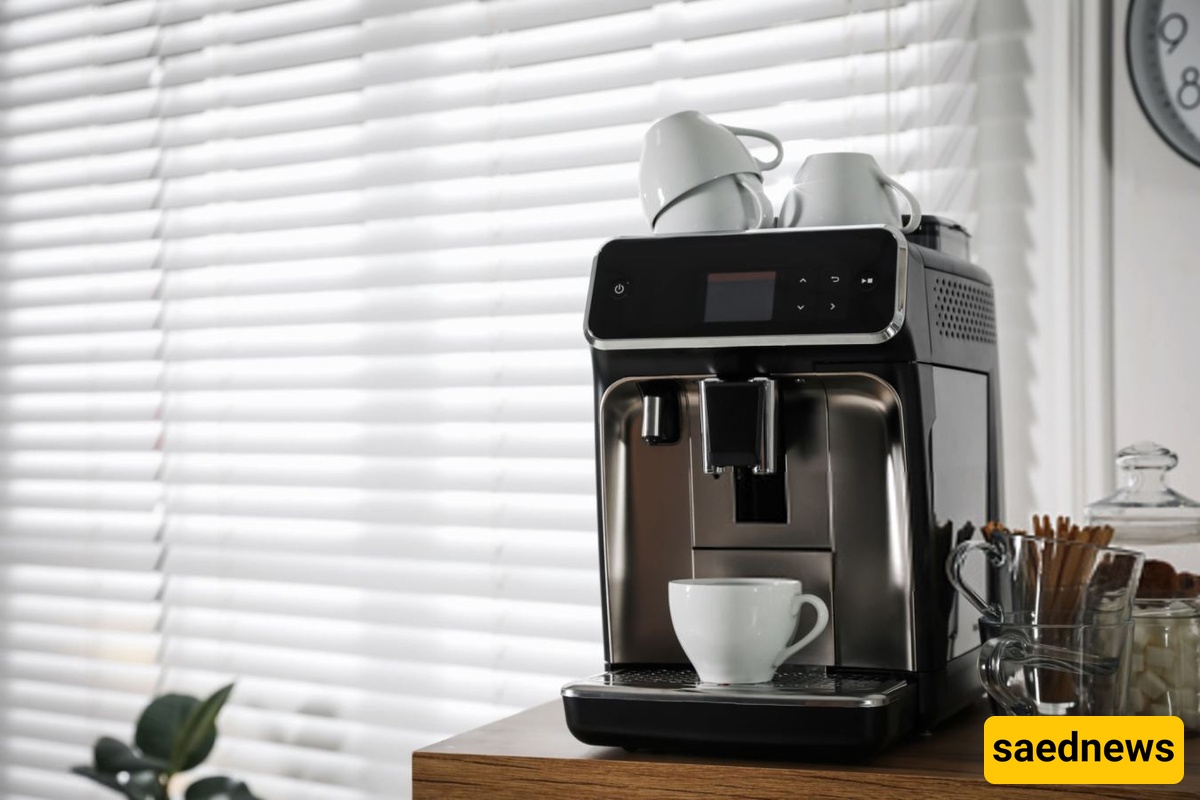
According to Saednews, Milk froth is the smooth, velvety layer that sits on top of lattes, cappuccinos, and macchiatos, transforming an ordinary cup of coffee into a professional coffee experience. However, many users of home and semi-commercial espresso machines eventually encounter a frustrating problem: the coffee machine stops frothing milk. This issue can range from something as simple as choosing the wrong type of milk to a malfunction in the machine's internal components.
Before exploring the technical reasons, it is important to clarify one thing. The term "foam" in the coffee world can refer to two different things:
Milk Froth: The airy, velvety layer created when steam interacts with milk proteins.
Espresso Crema: The golden, foam-like layer that forms on the surface of espresso, resulting from carbon dioxide trapped in the coffee.
Many coffee drinkers confuse these two. If your machine does not froth milk, the problem is usually related to the steam wand or frothing attachment. However, if your espresso lacks crema, the main causes are generally related to coffee beans, grind size, and pump pressure.
Let's examine both problems separately.

The most important factor in milk frothing is milk protein. Milk with low protein content can be difficult to froth and may produce unstable foam. For thick, long-lasting froth, use whole milk or milk containing at least 3% protein.
Milk that is too fresh or too old may also produce inconsistent results. Plant-based alternatives, such as almond and oat milk, generally produce weaker foam unless you choose products specifically labeled as Barista Edition.
Milk should be taken directly from the refrigerator, but it should not be so cold that the frothing process becomes unnecessarily difficult.
The ideal starting temperature for milk frothing is approximately 4–6°C (39–43°F). If you use milk that has been frozen or stored in an extremely cold section of the refrigerator, the steam will spend more time heating it, potentially making it harder to achieve the desired foam texture.
Limescale, dried milk fat, and milk residue can block the small openings in the steam wand. When steam cannot escape properly or maintain consistent pressure, the milk may heat up without producing sufficient foam.
Solution:
Wipe the steam wand with a damp cloth immediately after each use.
Purge the wand to remove any remaining milk.
Clean the nozzle regularly according to the manufacturer's instructions.
Use a suitable descaling or milk-cleaning solution when necessary.
Carefully clear blocked openings using the appropriate cleaning tool.
Limescale buildup inside the water circuit, pump, and steam boiler can significantly reduce steam pressure.
If you have not descaled your machine for two or three months, mineral deposits could be the reason your coffee machine is not frothing milk.
Solution: Use a descaling product specifically recommended for your coffee machine. Follow the manufacturer's instructions and complete the entire descaling cycle.
If steam comes out of the nozzle weakly or inconsistently and cannot create movement on the surface of the milk, proper froth formation becomes difficult.
Possible technical causes include:
A faulty thermostat or steam heating element.
A weakened vibration pump or pressure pump.
A malfunctioning steam solenoid valve.
An incorrectly functioning thermoblock heating system.
In some cases, the machine may still heat water normally for espresso preparation while failing to generate enough steam for milk frothing. This difference can help identify the source of the problem.
Many home espresso machines use a Panarello attachment instead of a professional steam wand.
If this attachment is incorrectly installed, its openings are blocked, or its rubber components are loose or damaged, it may fail to froth milk properly.
Using a Panarello with low-fat or excessively cold milk can also lead to disappointing results.

A good milk frothing pitcher should ideally have:
A stainless-steel construction.
Relatively thin walls.
A narrow pouring spout.
A size appropriate for the amount of milk being used.
Thick glass cups and plastic containers are generally less suitable for traditional steam-wand frothing because they make temperature control and milk movement more difficult.
The pitcher should also be appropriately sized. An excessively large pitcher can make it harder to create the consistent whirlpool needed for smooth microfoam.
Milk frothing involves two main stages:
Stage 1 – Aeration: Position the steam wand tip just below the milk's surface to introduce air and create small bubbles.
Stage 2 – Creating a Whirlpool: Lower the wand slightly deeper into the milk to create a steady circular movement that breaks down larger bubbles.
If the wand remains too deep throughout the process, the milk may simply heat up without incorporating enough air.
On the other hand, keeping the wand too close to the surface can introduce excessive air and create large, unstable bubbles.
The amount of milk in the pitcher plays an important role in achieving good froth.
As a general guideline, fill the pitcher approximately halfway to two-thirds full.
Too little milk makes it difficult to create a consistent whirlpool.
Too much milk leaves insufficient space for expansion and increases the risk of overflowing.
Heating milk above 65–70°C (149–158°F) can damage its protein structure and negatively affect foam stability.
Good milk foam should look glossy, smooth, and free of large bubbles.
If your milk becomes watery or the foam quickly disappears after frothing, overheating may be the reason.
Why Does Espresso Have No Crema?
If by "foam" you mean the crema on top of espresso, consider the following factors.
Espresso crema is largely influenced by carbon dioxide trapped inside freshly roasted coffee beans.
Coffee beans that have been sitting for more than three to four weeks after roasting may produce significantly less crema, although the actual result depends on the roast, storage conditions, and packaging.
Dark-roasted beans often produce more visible crema than lighter roasts, although excessively dark or burnt beans are not necessarily better for espresso.
You may also like:
Why Does Coffee Taste Too Bitter in an Espresso Machine? Causes and Solutions
Grind size directly affects espresso extraction.
Grind too coarse: Water flows through the coffee too quickly, often resulting in weak extraction and poor crema.
Grind too fine: Water flow becomes restricted, potentially causing over-extraction and inconsistent results.
Espresso machines typically operate around 9 bars of brewing pressure. Insufficient pressure can negatively affect crema formation.
Incorrect tamping and unevenly distributing coffee grounds inside the portafilter basket can also lead to inconsistent extraction.
To identify the cause of your coffee machine's frothing problem, follow these steps in order.
1. Test the milk: Try fresh, whole milk using a stainless-steel frothing pitcher.
2. Inspect the steam wand: Make sure its openings are clean and steam comes out consistently.
3. Test the steam pressure: Release steam into a suitable container or test it according to the manufacturer's instructions. Weak steam may indicate a technical problem.
4. Descale the machine: If necessary, run a complete descaling cycle using a compatible descaling solution.
5. Check the Panarello attachment: Make sure it is correctly installed and that its rubber components are in good condition.
6. Contact a technician: If steam pressure remains weak after cleaning and descaling, the thermostat, heating element, pump, or solenoid valve may need professional inspection.
Regular maintenance can help prevent recurring frothing issues and extend the life of your espresso machine.
Clean the steam wand immediately after every use.
Descale the machine according to water hardness and manufacturer recommendations.
Use filtered water to reduce limescale buildup.
Avoid overheating milk during frothing.
Remove and clean the frothing attachment periodically.
Always follow the manufacturer's cleaning and maintenance instructions.
The most common reasons a coffee machine fails to froth milk include poor milk quality, unsuitable milk temperature, a clogged steam wand, limescale buildup, insufficient steam pressure, and incorrect frothing techniques.
In many cases, the problem can be solved without expensive repairs simply by choosing suitable milk, cleaning the steam wand, and descaling the machine regularly.
However, if steam pressure has noticeably decreased, internal components such as the thermostat, heating element, or pump may require professional inspection.
With proper cleaning, maintenance, and frothing techniques, your espresso machine can continue producing smooth, velvety milk foam and rich golden crema.
Why does my coffee machine only heat the milk without producing foam?
This usually happens because the steam wand is positioned too deeply in the milk or its openings are clogged. Clean the steam wand first, then adjust your frothing technique to introduce air during the initial stage.
Can plant-based milk be used for frothing?
Yes. However, choose plant-based milk specifically formulated for baristas, as these products are designed to produce more stable foam. Regular almond and oat milk may produce weaker results.
How often should I descale my coffee machine?
Depending on water hardness and machine usage, descaling is generally recommended every one to three months. In areas with hard water, monthly descaling may be necessary, provided it follows the manufacturer's recommendations.