SAEDNEWS: The color of food plays a surprisingly important role in how we perceive taste, freshness, and even how much we want to eat. Psychological research suggests that different colors can influence appetite, food choices, and eating behavior before the first bite is taken.
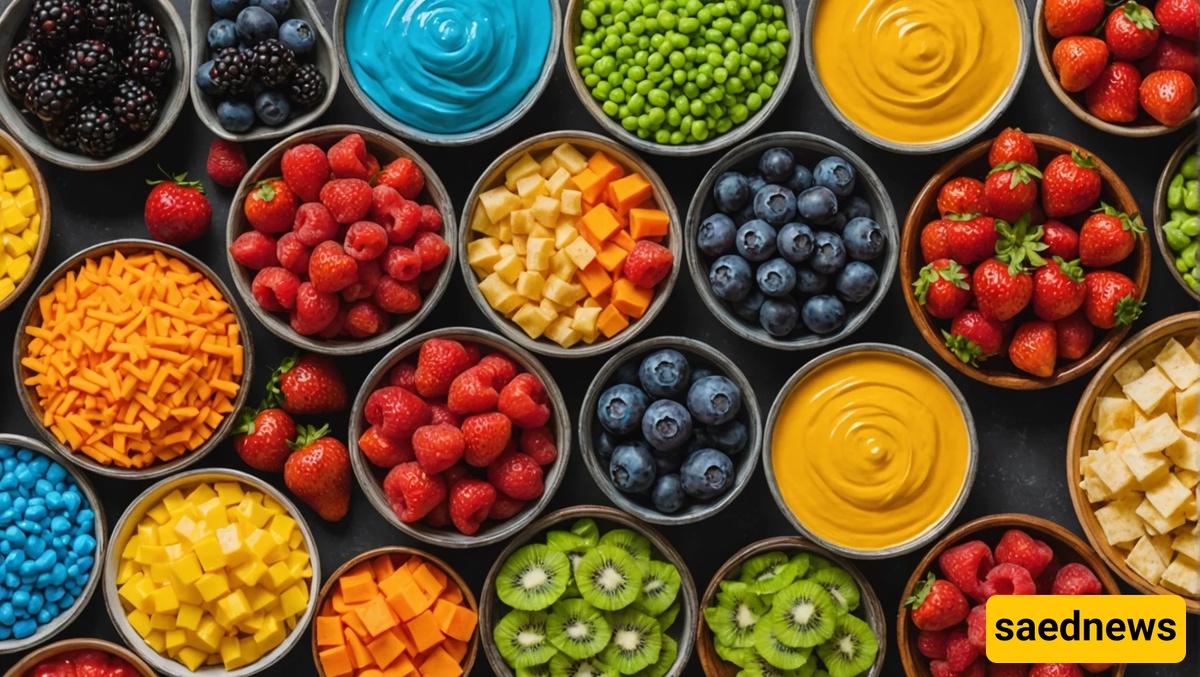
According to SAEDNEWS, food is experienced with the eyes before it is tasted. Color serves as one of the brain's first signals about the quality, flavor, and safety of a meal. Bright, vibrant colors often indicate freshness and nutrient-rich ingredients, while dull or unusual colors may reduce interest because they can be associated with spoilage. These visual cues shape expectations and influence how satisfying a meal appears before eating even begins.
Warm colors such as red, orange, and yellow are commonly linked with increased appetite and excitement. These colors can create a sense of energy and urgency, which is one reason they are frequently used in restaurant interiors, food packaging, and advertising. Fruits and vegetables with naturally bright colors, including tomatoes, carrots, oranges, and peppers, also appear more appealing because they suggest freshness and flavor.
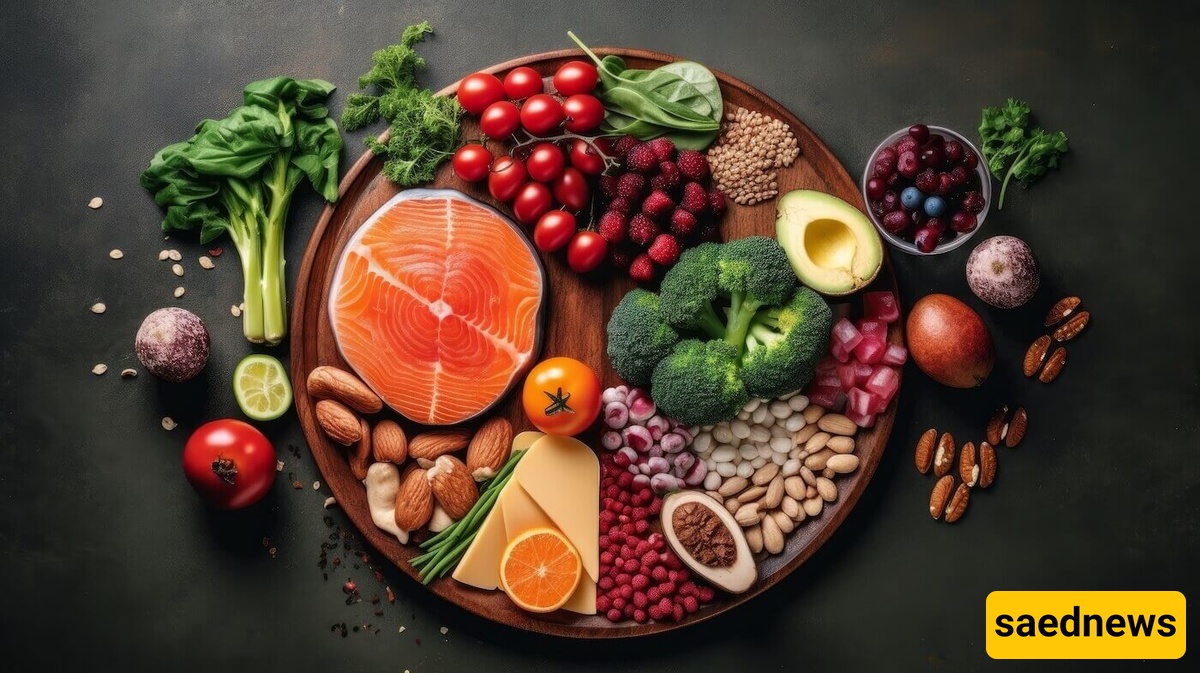
Blue, purple, and certain shades of gray are generally considered less stimulating for appetite. Since naturally blue foods are relatively uncommon, the brain may not associate the color with satisfying meals. Some studies suggest that blue tableware or lighting may encourage slower eating or reduced food intake, although the overall effect varies between individuals and depends on the dining environment.
Color preferences are not universal. Cultural traditions, childhood experiences, and familiar foods all influence how people respond to different colors. For example, white may symbolize purity and freshness in one culture, while another may associate it with bland or plain foods. Personal memories connected to favorite meals can also make certain colors more attractive regardless of general psychological patterns.
Rather than relying on color alone, experts recommend viewing colorful meals as part of a balanced dietary approach. Filling the plate with a variety of naturally colorful fruits, vegetables, whole grains, and lean proteins not only creates an appealing presentation but also increases the diversity of vitamins, minerals, and antioxidants consumed. While food color can influence appetite and expectations, nutrition, portion size, and overall eating habits remain the most important factors in maintaining long-term health.