SAEDNEWS: Proper storage of pickles and pickled vegetables is one of the most important factors in preserving their flavor and texture, as well as preventing mold growth or spoilage. Below, we have categorized key and practical tips for storing these delicious condiments.
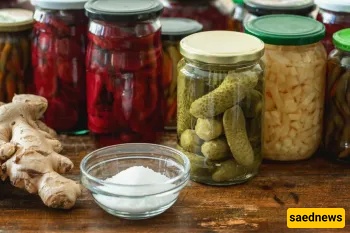
According to Saednews, Have you ever enthusiastically made a jar of homemade pickles, only to open it weeks later and find mold growing inside? Or worse… it greets you with a loud “pssst” of gas when you open the lid? If you nodded “yes,” know that you’re not alone. Many of us have been there. Some people have even experienced pickle jars exploding. Yes—more real than you might think!
Homemade pickles and brined vegetables are an inseparable part of many tables. They’re a mix of memory, flavor, and kitchen art. But storing homemade pickles is not just about “put it in a jar and leave it.” There are rules—if you don’t follow them, both taste and health can be at risk. Don’t worry—we’ll go through everything step by step in a simple, friendly way.
Spoiled pickles don’t always announce themselves by saying “I’m bad!” Sometimes they look completely fine, but something is wrong inside. Spoilage can happen silently—and the result? Stomach pain, food poisoning, or several days of feeling unwell. Not pleasant at all.
Many people think that if a pickle smells fine and has no visible mold, it’s safe. But that’s not always true. Some contamination cannot be seen. That’s why proper storage methods matter so much.
Pickles are actually a kind of living system, full of microorganisms. If conditions are right, they work in our favor—creating flavor and increasing shelf life. But if acidity drops, air enters the jar, or hygiene is poor, those same microbes can cause problems—like a party that gets out of control.
Let’s talk about one of the most unpleasant sights: mold on pickles. That white, green, or black layer that instantly ruins your appetite.
Insufficient vinegar or salt: Low acidity = paradise for mold
Air exposure: Vegetables sticking out of the liquid are the first victims
Initial contamination: Poorly washed jars or ingredients = mold starts easily
You might not want to waste all your effort. But the truth is: removing surface mold is not enough. Fungi have roots you can’t see and may produce toxins. So if you see mold, it’s safest to say goodbye. Your health is worth more.
This part is a bit dramatic—and important. Fizzy pickles mean fermentation is continuing in an uncontrolled way. Gas builds up, pressure increases, and… boom! The safety of the jar is at risk.
Healthy fermentation is slow and controlled, with gentle bubbles and a mild sour smell. Dangerous fermentation, however, produces excessive gas, strong odors, and a swollen lid.
The lid is swollen
A loud release of gas when opening
Unusual pressure inside the jar
If you notice these signs, open the jar carefully, away from your face. And if you’re unsure, don’t consume it.
Many people reuse jars from sauces or jams. But not all of them are suitable. A proper pickle jar should be thick, crack-free, and resistant to acidic ingredients.
Vacuum-sealed lids: Best option if intact
Metal lids (rust-free): Good choice
Plastic lids: Only for short-term storage
Wash and disinfect jars thoroughly
Dry completely (moisture is the enemy of pickles)
Use clean utensils and gloves
Keep everything contamination-free
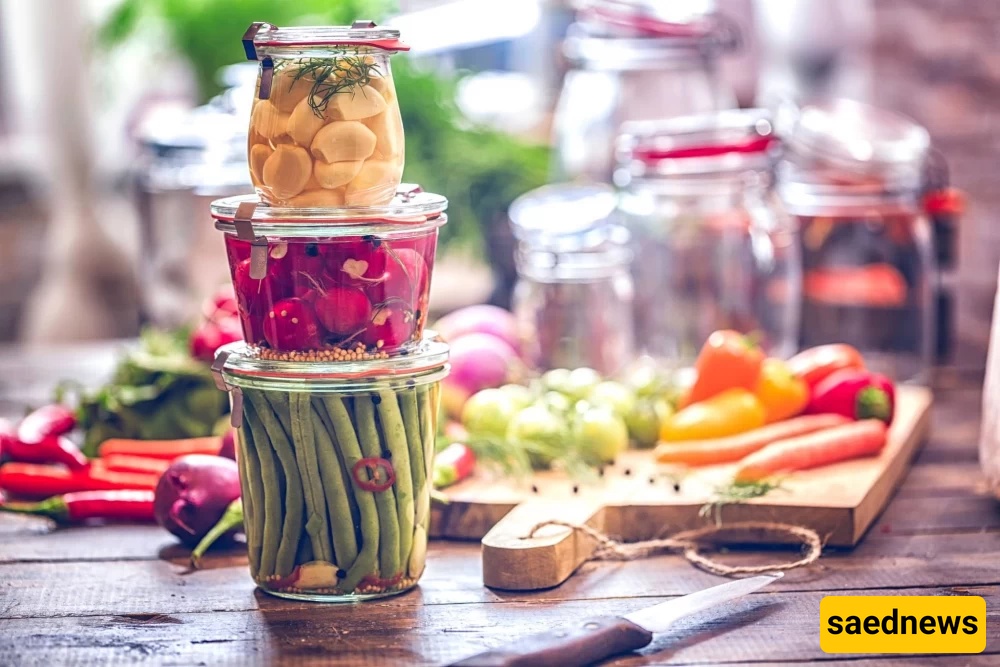
Not too little, not too much. Acidity must reach a safe level. Eyeballing ingredients is not reliable—especially for long-term storage.
Heat speeds up fermentation, and light can also affect quality. For long-term storage, a cool and dark place is ideal.
A refrigerator is useful once the jar has been opened or if fermentation becomes too active.
Strange or unpleasant smell
Unusual color changes
Slimy texture
Excessive gas production
These are not safe to ignore. Food poisoning from spoiled pickles is not worth the risk.
There is one golden rule: If you are unsure, throw it away.
Tasting suspicious pickles is never a good idea.
Safe homemade pickle storage is a skill. It takes practice, attention, and a bit of patience. But once you learn it, your pickles will not only taste better—they’ll also be much safer to enjoy.