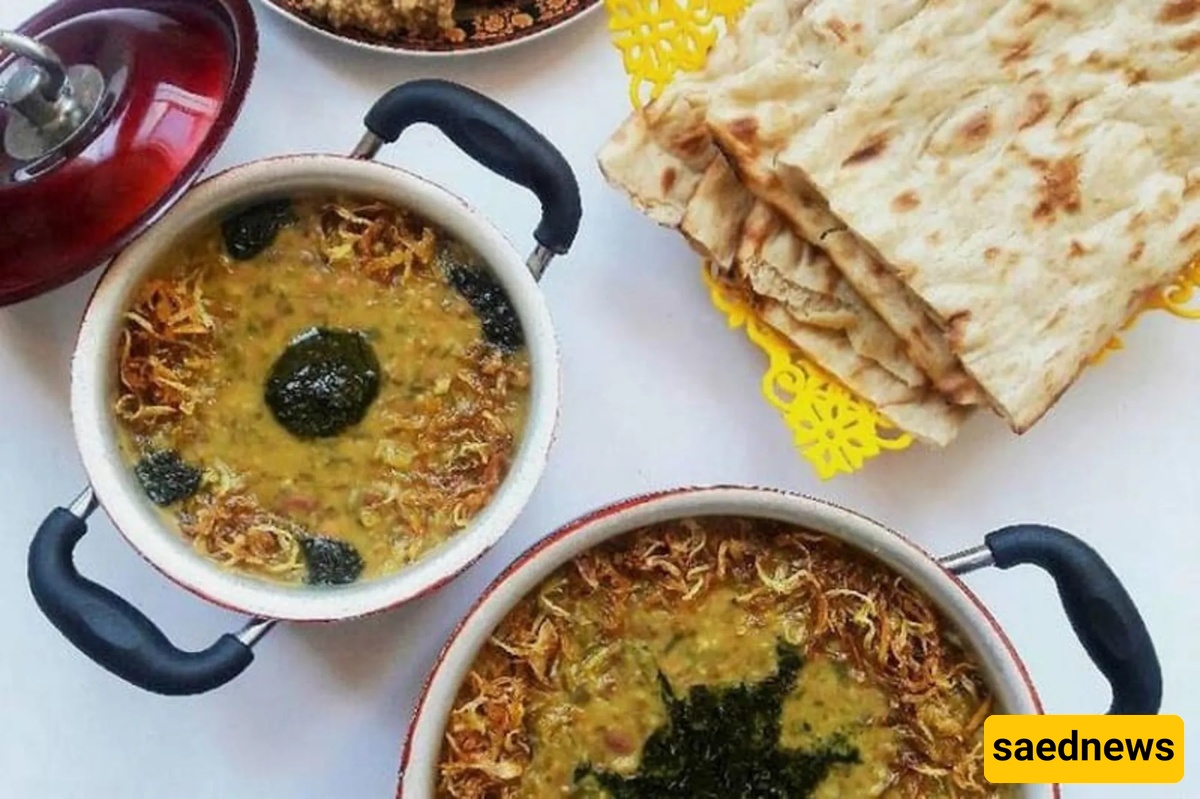
SAEDNEWS: If you are looking for a local, healthy, and low-cost meal, Ilam Babayari can be a distinctive choice. This traditional dish is prepared with a combination of lentils, aromatic herbs, and tomatoes. Due to its high fiber content, it creates a long-lasting feeling of fullness and is considered an ideal option for a healthy lifestyle.
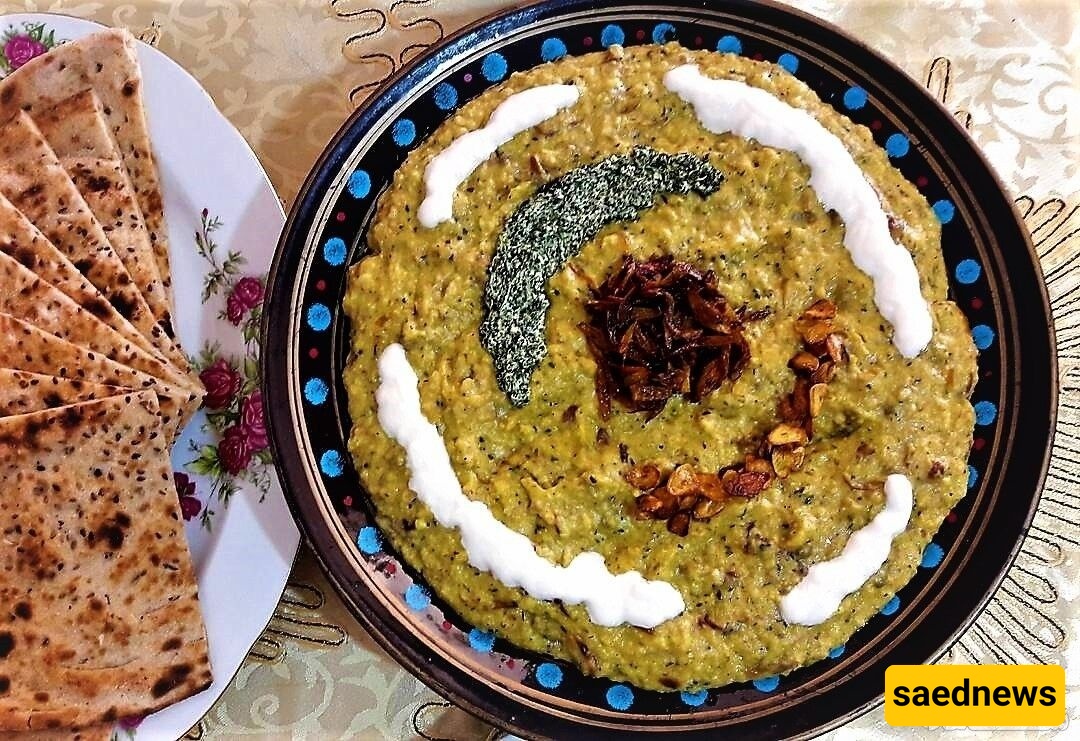
According to the Saed News cooking service, the name “Babayari” is formed from two words: “Baba” and “Yari.” In the local language, “Baba” means father or the head of the family, and “Yari” means help and companionship. This name not only refers to important family figures but also symbolizes solidarity and cooperation within local communities. Preparing and eating this dish is usually accompanied by family gatherings and strengthens feelings of intimacy and closeness among family members. In fact, Babayari is not just a meal but an opportunity to come together and build deeper connections between people.
Lentils are a rich source of plant-based protein, fiber, iron, and folic acid. They help improve heart function and strengthen the immune system. Their fiber content also helps regulate blood sugar and reduces the risk of heart disease.
Tomatoes are rich in vitamin C and antioxidants, which support skin health and reduce inflammation. They also contain lycopene, a compound with anti-cancer properties.
Aromatic herbs such as parsley, cilantro, and leeks add pleasant flavor while providing essential vitamins and minerals. They aid digestion and have anti-inflammatory effects.
Spices such as turmeric and black pepper not only enhance flavor but also have anti-inflammatory properties. Turmeric, in particular, contains curcumin, which is beneficial for brain health and reducing inflammation.
Babayari is an excellent option for vegetarian and weight-loss diets due to its lack of meat and minimal oil usage. The fiber in lentils and vegetables creates a long-lasting feeling of fullness, helping control appetite. With its low calorie content and high nutritional value, it is a suitable choice for a healthy lifestyle. It may also help reduce the risk of chronic diseases such as type 2 diabetes and heart disease.
1 cup small fresh lentils (soaked for a few hours)
2 medium potatoes, diced
3 large tomatoes, peeled and chopped or grated
1 large onion, chopped
About ½ cup mixed herbs (leek, parsley, cilantro; optional fenugreek leaves)
2 tablespoons vegetable oil or olive oil
Salt and black pepper, to taste
1 teaspoon turmeric
1–2 tablespoons tomato paste (optional)
About 3 cups water (adjust for desired consistency)
Lemon juice or a few drops of fresh lime juice, for finishing
Wash the lentils thoroughly and soak them for at least 2 hours to reduce cooking time and prevent bloating.
Heat oil in a pot. Add chopped onions and sauté over medium heat until golden and fragrant.
Add chopped tomatoes, turmeric, and a little salt. Sauté for about 5 minutes until the tomatoes soften and become juicy. If you prefer a richer color, add tomato paste at this stage and cook it briefly to remove the raw taste.
Add diced potatoes and stir for a few minutes so they slightly fry and absorb the flavors.
Add the soaked lentils along with 3 cups of water. Bring to a boil, then reduce heat and let it simmer gently. After about 20–25 minutes, when the lentils and potatoes are tender, the dish is halfway ready.
Add the chopped aromatic herbs and mix well. Let it cook for another 10 minutes on low heat so the herb flavors blend into the stew.
Finally, adjust salt, pepper, and lemon juice. If the stew is too thick, add a little hot water. If it is too thin, simmer without a lid for a few minutes until it thickens.
For a more aromatic traditional version, add cumin, cinnamon, or a bit of saffron water.
For a northern-style flavor, a mix of fenugreek and dried lime powder works very well.
For a diet-friendly version, use less oil or extra-virgin olive oil.
Adding chopped carrots or some wheat bulgur during the lentil cooking stage makes the dish thicker and more nutritious.
Serve with fresh sangak bread, barley bread, or plain rice.
Homemade yogurt or fresh herbs make excellent side dishes.
For a more traditional presentation, top with mashed potatoes or kashk (fermented whey) and serve in a clay dish for an authentic appearance.