SAEDNEWS: Greek myths tell of Cyclopes—giant one-eyed beings. Historians believe the legend may have begun when ancient Greeks found mammoth fossils and misunderstood the large skulls, imagining them as the remains of one-eyed giants. Thus, the myth was likely inspired by prehistoric fossils rather than real creatures.
According to Saed News analytical news website, humanity has advanced beyond what previous generations could have imagined. Human achievements in every field continue to amaze us every day. But what happened throughout history to bring us to this point? Here are some fascinating historical facts.
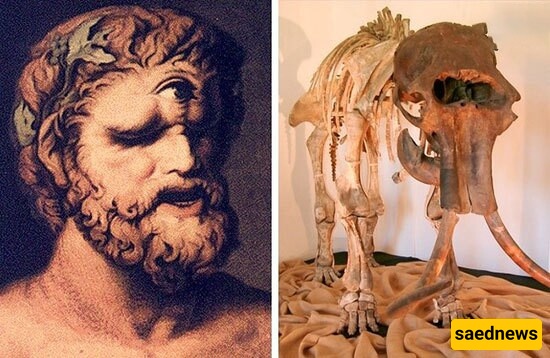
Greek mythology is full of stories about Cyclopes—huge giants with a single eye. But did they really exist? Historians believe that when ancient Greeks discovered mammoth skulls and bones, they could not understand what these enormous remains belonged to. The large central cavity in mammoth skulls may have led them to imagine one-eyed giants, giving rise to the Cyclops legend.
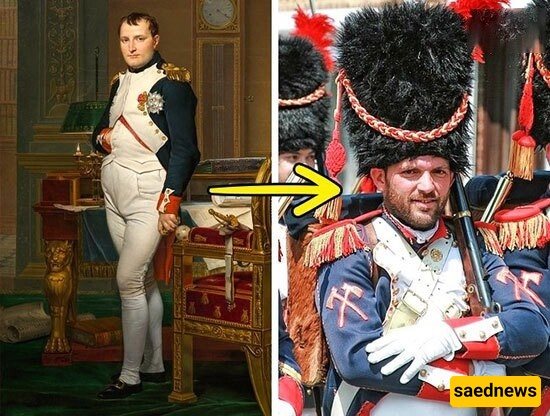
Most of us have wondered at least once about the buttons on the sleeves of jackets and coats. Today they are mostly decorative, but according to popular legend, they were introduced by Napoleon Bonaparte. He allegedly ordered buttons to be sewn onto soldiers’ sleeves to discourage them from wiping their noses with their uniform sleeves.

Throughout history, Indians have been known as resilient and resourceful people. In some regions, large ants were used to help close wounds. The ants would bite across the edges of a wound with their powerful jaws, holding the skin together. Their bodies would then be removed, leaving the jaws in place to function like natural stitches.
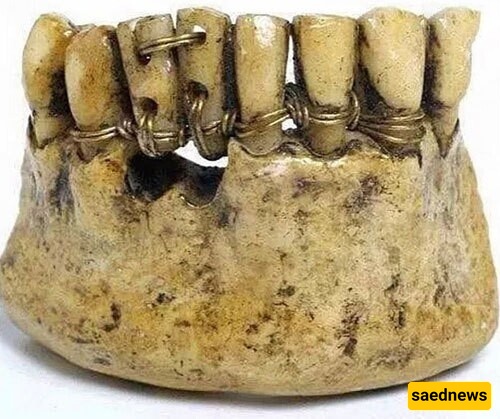
During the Napoleonic Wars, many soldiers lost their teeth. At the time, barbers often performed medical procedures, including making dentures. Artificial teeth were sometimes crafted using teeth taken from soldiers killed in battle. These dentures became known as “Waterloo Teeth.” Since modern dentistry did not yet exist, much of this work was carried out by barbers.

In times when medicine was not widely available, people often relied on traditional beliefs to treat illnesses. One popular remedy for headaches involved placing a rope around the sufferer’s neck—similar to the type used in executions—in the belief that it would relieve the pain.
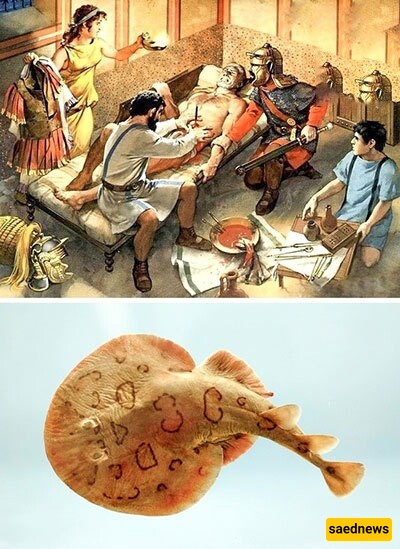
The electric ray possesses an unusual ability: it can generate electric shocks that numb its victims. Ancient Greeks reportedly used these fish to reduce pain during surgical procedures and even childbirth, making them an early form of natural anesthesia.
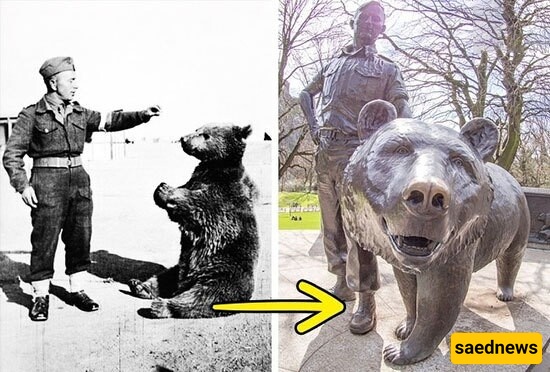
In 1943, during World War II, Polish soldiers of Anders’ Army found a bear cub in Iran. They named him Wojtek, which means “Happy Warrior” in Polish. During the Battle of Monte Cassino in Italy, Wojtek helped carry ammunition alongside the soldiers. In honor of his service, a statue of him was erected in Edinburgh, and he later became a symbol associated with Polish military transport units.
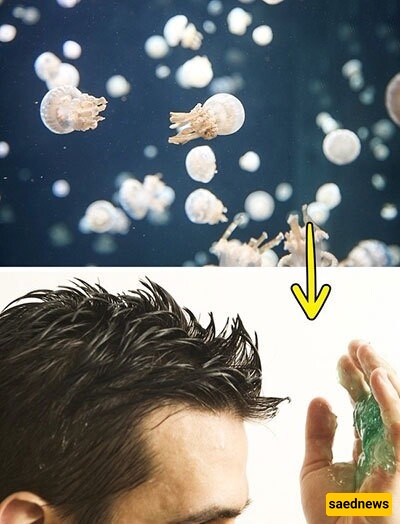
In medieval Japan, long hairstyles swept upward and backward were fashionable. Since hair gel had not yet been invented, creative Japanese people sought alternative ways to style their hair. Surrounded by the sea, they turned to jellyfish. They would apply jellyfish substances to their hair, allowing them to shape and hold their hairstyles effectively.

In the country of Andorra, lawyers were reportedly once prohibited from appearing in court. The reasoning was that lawyers could make wrong appear right and right appear wrong. As a result, individuals were expected to represent themselves in legal proceedings.

The highest recorded human body temperature was reportedly measured at 46.5°C (115.7°F). Despite this extreme temperature, the patient survived, making it one of the most remarkable cases in medical history.