SAEDNEWS: Hearty, tangy and effortlessly communal, Abgoosht (Dizi) is a stone-pot lamb and bean stew that asks you to slow down, soak bread in broth and savour every bite.
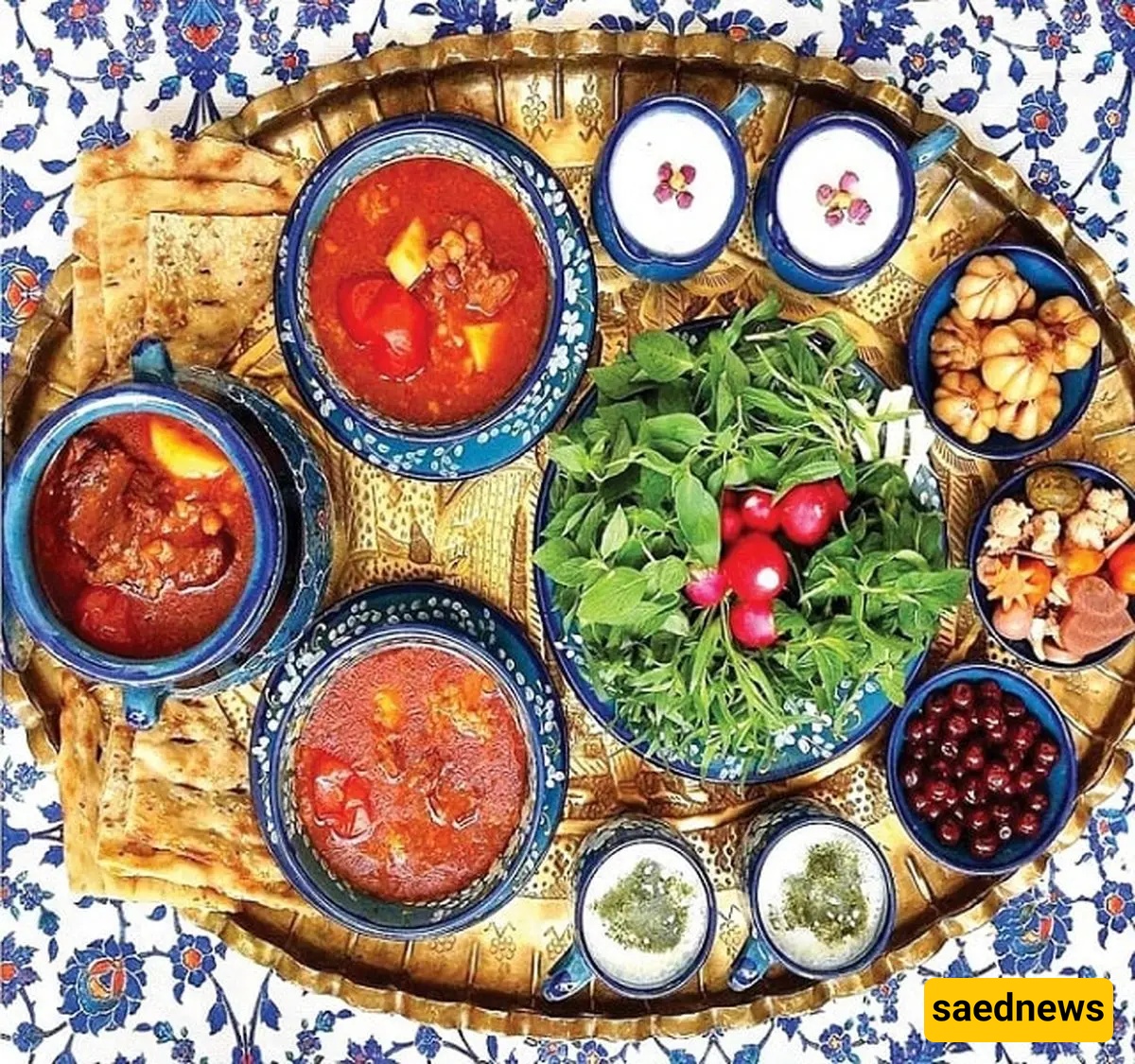
According to SAEDNEWS, Abgoosht—sometimes called Dizi—is a time-honored Persian stew of lamb, beans, and potatoes. The word itself means “water meat,” a nod to its ancient origins when it was made with nothing more than meat, legumes, and water. Despite its simplicity, it was a nourishing, energy-packed dish that sustained generations.
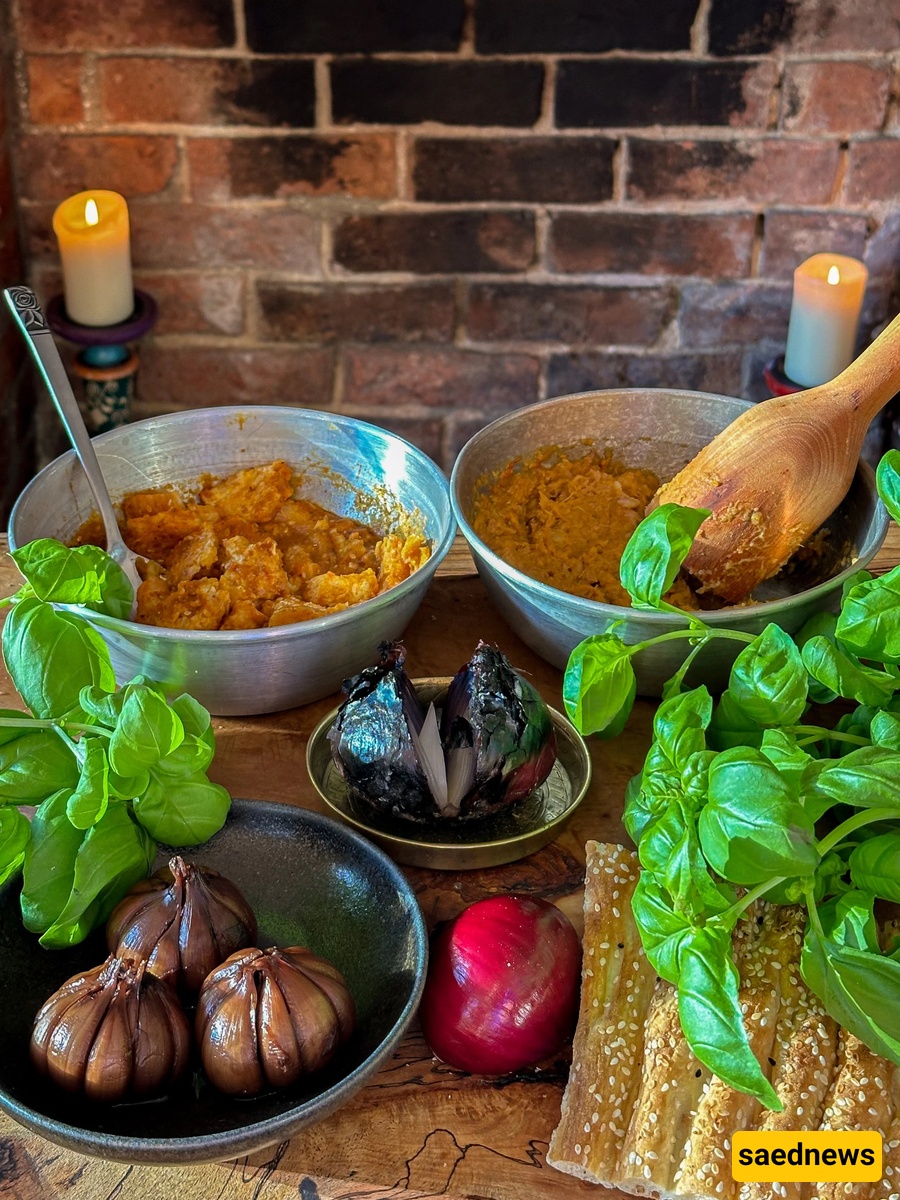
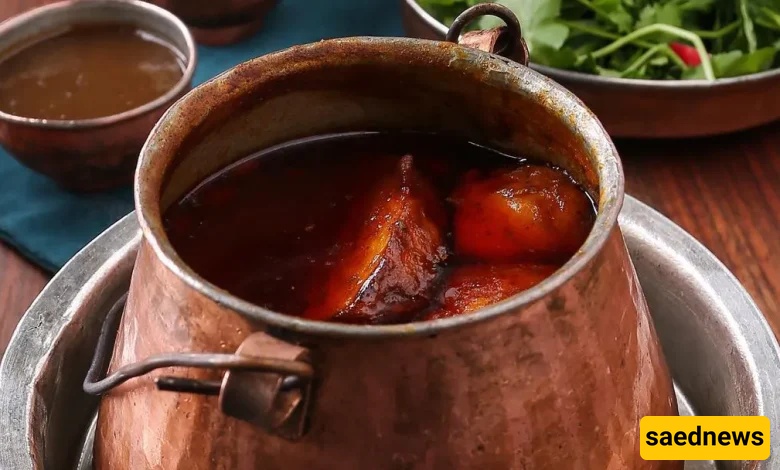
Today, Abgoosht has evolved, with regional and family variations that add more ingredients and layers of flavor, yet it remains hearty, wholesome, and endlessly comforting. Its beauty lies in its flexibility—you can adapt it to whatever you have in the kitchen.
For a vegetarian version, simply skip the meat; the beans alone offer plenty of protein and richness. You can use any variety—dried or canned, depending on what’s on hand.
If you’re lucky enough to have individual Dizi pots, portion the ingredients into each one for a traditional serving. Otherwise, just multiply the recipe by the number of portions you’d like, combine everything in a single pot, and let it simmer into the ultimate Persian comfort food.
Prep time | Cook time (regular pot) | Cook time (Dizi pot, oven/BBQ) | Serves |
|---|---|---|---|
5 minutes (per portion) | ~2 hours | ~3 hours | per portion (multiply as needed) |
Quantity | Ingredient |
|---|---|
80 g / 2.8 oz | lamb shoulder, shank or ribs (or beef) |
1/4 | onion (≈ 30 g), roughly chopped |
1 heaped tbsp | chickpeas (canned or pre-soaked dried) |
1 heaped tbsp | beans (canned or pre-soaked dried; navy beans used here) |
1 | dried lime (Limu Omani), optional but recommended |
1 | garlic clove |
1/2 medium | potato (≈ 40 g), peeled or scrubbed |
1/2 | tomato (≈ 40 g), roughly chopped |
1 tbsp | tomato paste |
1/2 tsp | ground turmeric |
to taste | black pepper |
to taste | salt |
— | bread to serve (Iranian sangak or barbari ideal) |
Notes: For larger batches multiply ingredients by number of portions. If using dried (uncooked) chickpeas/beans, soak overnight and drain before use.
Regular heavy pot (stovetop) — simplest option.
Dizi (stone) pots — traditional; cook individual portions in oven or on BBQ.
Oven: 160°C / 325°F (Gas mark 3) for Dizi.
BBQ: place pots on grate or between charcoal for slow cooking (monitor heat).
If using dried chickpeas and/or beans, soak them in plenty of water overnight. Change water once or twice. Drain before using.
Cut meat into large cubes (leave on ribs if using ribs—the bones add flavor). Fatty cuts yield richer broth; lamb tail (dombeh) is prized in Iran for its fat.
If using dried lime, poke holes in it with a paring knife so flavor releases into the stew.
Multiply ingredient quantities by the number of portions you plan to make and place everything in a large pot. Add just enough water to cover the ingredients.
Bring to a boil, then reduce to a low–medium simmer. Cook gently for about 2 hours, checking occasionally and adding water if the level falls too low.
Once meat is tender, proceed to serving (see “Serve” below).
Place ingredients in individual Dizi pots (one portion per pot or adjust size). Add water until just covered.
Arrange pots on a tray and place in a preheated oven at 160°C / 325°F (Gas mark 3).
Bake for 3 to 3.5 hours, checking once around halfway and adding water if needed. Meat should be very tender and flavors well melded.
Prepare charcoal until it is white/gray and hot. Place pots on the grate or in between the coals (start on grate while coals are hottest).
Let Abgoosht simmer gently for roughly 3 hours, managing charcoal and adding more as needed. Watch water level and add occasionally if required.
When meat is very tender, remove pots (or pot) from heat and let rest about 10 minutes.
Traditional service: First ladle the broth into individual bowls and serve with torn pieces of bread (sangak or barbari) to soak the broth.
Next, remove the solids (meat, beans, potatoes). Mash or pound them together (traditionally with a mortar/pestle or in the pot) into a coarse paste — this mixture is eaten with bread as a second course.
Serve mashed solids alongside the broth course, with fresh herbs (basil, tarragon), pickled/red onions and extra bread.
Vegetarian option: Omit the meat and use extra beans and chickpeas; add vegetable stock and a splash of tomato paste for depth. Long simmer will still yield a richly flavored broth.
Legume swaps: Any tender bean works (navy, cannellini, chickpea). If using canned, reduce initial water and simmer until flavors marry (shorter cook time).
Limu Omani (dried limes): Widely available at Persian or West Asian markets. Poke or crack them before adding—this releases their sour, fermented citrus character.
Salt & seasoning: Adjust salt toward the end once the broth has reduced; dried lime can add bitter/sour intensity.
If stew dries out: Add simmering water or stock; aim for a broth that’s generous (served first) and solids that remain intact for mashing.
Stone pot owners: Dizi pots impart a unique minerality and make a lovely presentation but are optional—any heavy pot works.
Abgoosht stores well. Refrigerate broth and solids separately up to 3–4 days. Reheat gently; refresh roasted or crisp bread before serving.
Solids (mashed) can be reheated on low and the broth re-warmed; add a splash of water/stock if too thick.
Serve the broth course with torn sangak or barbari for dunking.
Serve the mashed solids with fresh herbs (basil, tarragon), pickled cucumbers or torshi, and raw/red onions.
A side of yogurt with mint or cucumber is a nice cool counterpoint.
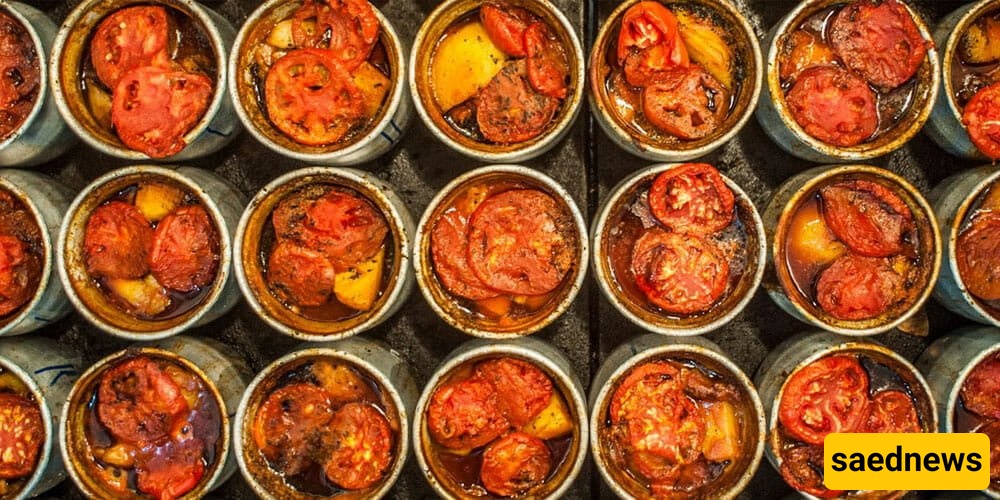
Abgoosht (Aabgoosht) literally means “water meat” and began as a simple mixture of meat, legumes and water; modern variants are richer but remain a high-energy comfort food.
Every family and region in Iran may have its own approach—this recipe is flexible and forgiving.
If you have traditional Dizi pots, you can cook single portions in them; otherwise use a large pot and scale recipes for multiple portions.