Saed News: Cancer is, in fact, a genetic disorder that begins at the cellular level and at one or more points of the genetic content.
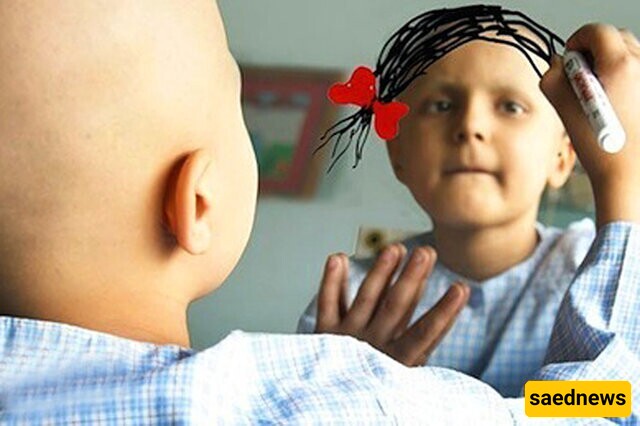
According to SAEDNEWS, quoting from ISNA, cancer is indeed a genetic disorder that starts at the cellular level and in one or more points of the genetic content. These disorders, such as breaks or abnormalities in the sequence and composition of DNA, can be acquired due to environmental factors like radiation, chemicals, hormones, pollution, tobacco use, stress, predisposing underlying diseases, and so on. Alternatively, they can be inherited as a genetic predisposition from parents and may emerge during a person’s life, depending on the nature of the disorder and the timing of its occurrence.
To better understand the various aspects of hereditary and non-hereditary cancers, we had an interview with Dr. Hassan Roodgari, a cancer genetic specialist and a researcher at the University of Aberdeen, UK, which follows:
20% of cancers are hereditary and predictable
Dr. Roodgari stated in an interview with ISNA: "More than 80% of the occurrence of various cancers worldwide are acquired types and are usually unpredictable until they appear, although risky lifestyles can significantly increase the chances of their occurrence. However, for hereditary cancers, it is possible to calculate the risk and reduce the likelihood of occurrence (through invasive and non-invasive preventive methods) and the chances of early diagnosis to increase the patients' lifespan. Notably, the age, nature, intensity of onset, and recurrence of cancer in hereditary types can differ from acquired ones and can be estimated."
He added, "Despite significant advances in science, cancer remains an incurable or hard-to-cure disease that is progressive, severely affecting the individual's health and putting them at risk. The uncontrolled proliferation and spread of cancerous cells, which can escape all natural immune systems, leads to an increase in the individual's energy consumption and strength, eventually causing extreme weakness. Without effective medical intervention, this can lead to metastasis to other vital organs and, ultimately, death."
Dr. Roodgari emphasized the psychological, economic, and social side effects of cancer, stating, "Part of the side effects of cancer relates to the disease itself, while others are due to the treatment's adverse effects and the weakening of the patient’s physical and psychological condition. Due to the difficulty of the disease and the patient's incapacitation, reduced life expectancy, symptoms and side effects from heavy chemotherapy drugs, the economic and social pressure from treatment costs, and the detachment from work and normal activities, patients often experience multiple, complex physical, psychological, economic, and personal damages, requiring specialized care that must be provided in a multidisciplinary approach."
He further pointed out, "Unfortunately, due to severe deficiencies in the cancer drug supply system, patients and their families become heavily involved in the process of obtaining medications, and they must ensure the authenticity and reliability of these drugs. High costs, especially for foreign medications and insufficient domestic pharmacopeia, have led to the emergence of an unreliable black market for cancer drugs. In developed countries, hospital pharmacies are responsible for providing specialized cancer drugs, and patients and their families do not directly deal with this issue. However, in our country, alongside the sorrow of having a severely ill loved one, people must worry about obtaining medications and sometimes end up spending millions of dollars out of pocket without insurance coverage for a treatment cycle, even selling their properties to fund the treatment."
The likelihood of an increase in cancer cases in Iran in the coming years
Dr. Roodgari, who is also the Secretary of the Research Council of the Medical System Organization, discussed the state of cancer prevalence in Iran, stating: "According to the latest data from the Ministry of Health, about 100,000 people are diagnosed with cancer in Iran annually, which is lower than the prevalence in advanced Western societies. However, cardiovascular diseases, road accidents, and other incidents remain the leading causes of death in Iran. It should be noted that due to the aging population in Iran and the spread of risky behaviors such as poor diet, air pollution, physical inactivity, and increased stress factors, this number is expected to rise in the coming years."
He continued, "According to the Ministry of Health, cancer-related deaths or disabilities result in the loss of 450,000 years of life in Iran, which is equivalent to almost 21 years per patient. The direct and indirect costs of cancer are estimated at around 10 trillion IRR per year, one-third of which relates to treatment and drug expenses. Considering these numbers and the substantial human and financial costs, greater attention should be given to prevention and early diagnosis rather than just treatment. Therefore, identifying risk factors in the country, reducing their effects, recognizing high-risk groups, and implementing national screening programs for cancers that allow for prevention, risk reduction, early diagnosis, and more effective treatments should be a priority in healthcare systems."
Dr. Roodgari also pointed out the importance of screening programs in developed societies that help detect cancers early and reduce human and economic costs. Unfortunately, such programs are still not implemented on a national scale in Iran, although they might exist in regional studies.
How to prevent non-hereditary cancers
Regarding non-hereditary cancers, Dr. Roodgari mentioned, "By reducing risk factors in general and increasing preventive factors, we can lower the risk of developing cancer. Fortunately, most people are familiar with the major contributing factors, and we only need individual willpower and national planning to avoid these factors or reduce their effects."
He added, "In general, providing informative education about cancer-causing factors and preventive measures can guide the public towards a healthier lifestyle free of carcinogenic agents. Additionally, setting strict health and preventive regulations by responsible authorities plays a crucial role in reducing the risk of cancer in the country."
Dr. Roodgari concluded with some simple guidelines for reducing cancer risks, such as increasing the consumption of organic fruits and vegetables, drinking more liquids (especially water and healthy milk), reducing exposure to urban air pollution, cutting down on calorie-dense foods like fast food, increasing physical activity, avoiding tobacco and alcohol, and establishing specialized clinics for hereditary cancer risk reduction.
Regarding hereditary cancers, Dr. Roodgari stated, "For hereditary cancers, prevention and early detection are much more feasible than for acquired types. With the help of specialized guidelines, we can estimate the risk, monitor diagnostic follow-ups, and carry out early screening to identify and treat cancer at early stages. In some cases, preventive medical or surgical methods can be used to reduce the risk by up to 100%."
He concluded by stressing the importance of genetic counseling clinics and clinical genetic specialists for hereditary cancers in Iran, adding, "Currently, genetic counseling and specialized genetic clinics are not yet fully established in the country, and cancer genetic counseling is often provided by general practitioners or non-medical professionals with minimal training. There is a strong need for a specialized network of hereditary cancer clinics and trained professionals in Iran."