SAEDNEWS: If you’re planning to buy a new laptop during this period, we’ve reviewed the latest laptop hardware, features, and mobile computing technologies to help you choose a modern, up-to-date device.
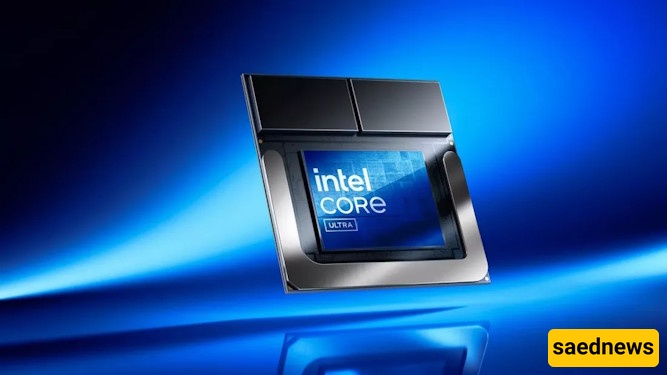
According to Saednews, Laptops are entering a new phase of technological development. Until recently, most improvements focused on boosting processor and graphics performance. Today, manufacturers are placing greater emphasis on artificial intelligence, advanced display technologies, energy efficiency, repairability, and flexible hardware designs. For anyone considering a new laptop, understanding these developments can make it easier to choose a device that will remain useful for years to come.
Modern laptops are evolving beyond traditional CPU and GPU upgrades. New features include dedicated AI processors, next-generation graphics, adaptive displays, faster charging technologies, intelligent power management, and modular components.
One of the most significant developments in laptop hardware is the integration of dedicated AI processing capabilities. Major chipmakers such as Intel, AMD, and Apple now incorporate Neural Processing Units (NPUs) into their processors. These specialized components can handle AI workloads directly on the device, reducing the need to depend entirely on cloud-based services.
Intel's Core Ultra platform represents an important step toward AI-focused computing. The combination of the CPU, GPU, and NPU enables laptops to perform tasks such as background-noise removal, speech recognition, real-time translation, and content creation more efficiently.
AMD has expanded its AI-focused processor lineup with the Ryzen AI 300 series. The Ryzen AI 9 HX 370 can deliver up to 45 trillion operations per second (TOPS) through its NPU, making it a strong option for creative applications and compact gaming systems.
Apple's M5 generation places strong emphasis on both efficiency and on-device AI processing. MacBook systems using this technology can perform demanding activities such as video editing and facial recognition without always requiring an internet connection.
Graphics technology has also advanced considerably, particularly with NVIDIA's RTX 50 series. Features such as DLSS 4 and fifth-generation Ray Tracing are designed to improve visual quality and performance in modern games and 3D applications.
The RTX 5090 Laptop GPU combines NVIDIA's Blackwell architecture with 24GB of GDDR7 memory. It is intended for high-performance gaming notebooks and professional workloads. In suitably configured systems, including large gaming laptops, this level of GPU performance can support demanding games at 4K resolutions and very high frame rates.
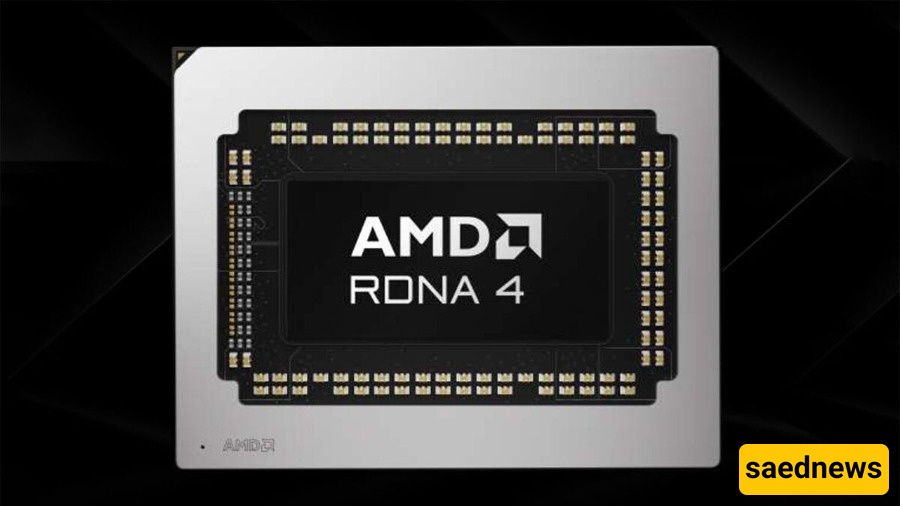
AMD continues to develop its RDNA graphics architecture alongside 3D V-Cache technology. These developments can improve performance and efficiency, particularly in systems that depend more heavily on integrated graphics. This makes the technology relevant to both compact laptops and more affordable gaming-oriented devices.
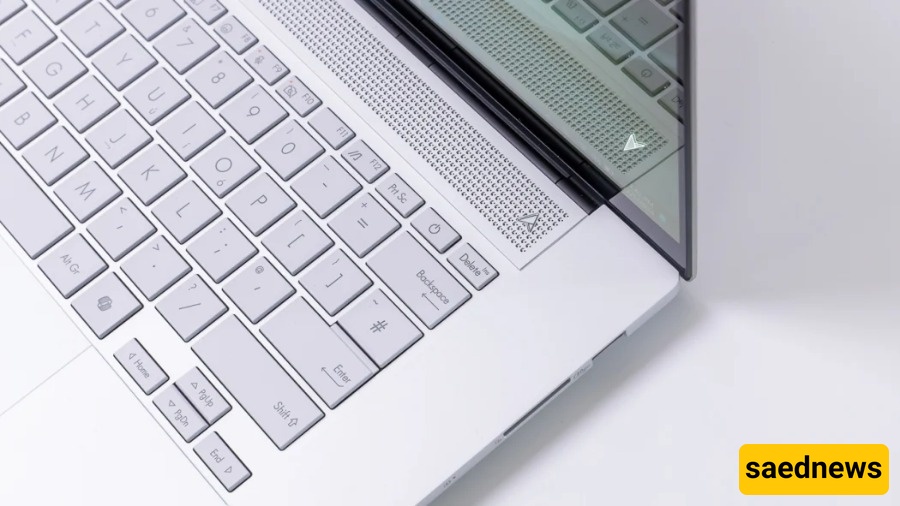
Laptop screens are becoming more sophisticated. Resolution and brightness remain important, but modern displays are increasingly defined by adaptive refresh rates, flexible form factors, color accuracy, and energy efficiency.
Devices such as the Lenovo Yoga Book 9i demonstrate how dual-screen and flexible display concepts can change the traditional notebook design. These systems can provide a conventional laptop-style setup while offering additional screen space for multitasking or tablet-like use.
Modern displays can dynamically adjust their refresh rates depending on what is happening on the screen. Panels capable of moving between extremely low refresh rates and speeds of up to 165Hz can provide smooth gaming and video playback while conserving energy during activities such as reading or viewing static documents.
Some gaming notebooks now offer refresh rates as high as 360Hz. However, these extremely high rates are primarily useful for competitive gamers and provide limited practical benefits for most everyday users.
Tandem OLED technology is becoming increasingly important in premium laptops and other portable devices. By using multiple organic light-emitting layers, this approach can deliver higher brightness and improved efficiency while potentially helping to control heat compared with some conventional OLED designs.
Battery life remains one of the most important considerations when buying a laptop. Manufacturers are therefore exploring new battery materials and smarter charging systems designed to improve both endurance and charging speed.
Companies such as Panasonic and BYD have been researching solid-state battery technologies for future portable electronics. Compared with conventional lithium-ion designs, solid-state batteries have the potential to provide higher energy density while offering improvements in safety and thermal stability.
Graphene and other advanced materials are also being investigated for use in battery cells. Their electrical properties could improve conductivity and charging performance, potentially contributing to much faster charging technologies in future laptops.
Modern laptops can use intelligent power-management systems to analyze factors such as workload, display refresh rate, usage behavior, and environmental conditions. By dynamically adjusting power consumption, these systems aim to extend battery life without significantly reducing performance.
Under suitable conditions, some laptop configurations can already approach or exceed 20 hours of battery life, although actual endurance varies considerably depending on the hardware and workload.
Environmental sustainability and product repairability are becoming increasingly important in the computer industry. Modular designs provide an alternative to replacing an entire laptop when an individual component becomes outdated or fails.
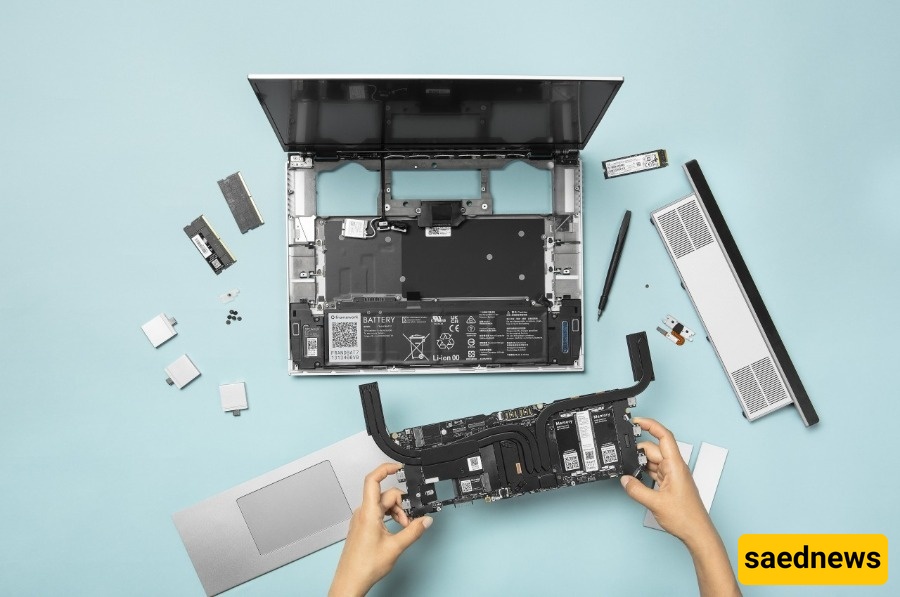
Companies such as Framework have demonstrated how modular laptop designs can allow users to replace or upgrade components including memory, storage, ports, and other hardware. This can extend the useful life of a computer while making repairs and upgrades more accessible.
DDR5 memory prices have attracted attention as higher component costs can influence the prices of high-end laptops. Upgradeable systems can offer an advantage by allowing users to increase RAM capacity when necessary instead of replacing the entire computer.
Laptop manufacturers are also experimenting with recycled materials and lower-impact manufacturing processes. Companies such as Razer and HP have incorporated recycled materials, including recycled aluminum, into selected products. These initiatives reflect the industry's broader effort to reduce the environmental impact of electronic devices.
The combination of AI processors, advanced graphics, adaptive displays, improved batteries, and modular hardware is changing the traditional idea of a personal computer. Future laptops are expected to become smarter, lighter, more efficient, and increasingly responsive to the way people use them.
Ultra-portable gaming laptops are also becoming more appealing to creators and professionals who need both mobility and substantial computing power.
Manufacturers such as Acer, MSI, and Dell are exploring intelligent features that can respond to user movement and positioning. Over time, laptops could automatically adjust fan behavior, screen brightness, graphics performance, and other settings based on factors such as ambient lighting, temperature, workload, and user activity.
The laptop industry is moving beyond the traditional race for faster CPUs and GPUs. AI-enabled processors, RTX 50 graphics, advanced OLED panels, faster charging technologies, intelligent energy management, and modular hardware are reshaping what modern laptops can offer.
For buyers, the most important lesson is that laptop specifications should no longer be judged solely by processor and graphics performance. AI capabilities, display quality, battery efficiency, repairability, upgrade options, and intelligent power management are becoming increasingly important when selecting a laptop for the future.