SAEDNEWS: Today, with the rise of online stores and various payment gateways, fraudulent activities and scams have become increasingly common. This report focuses on phishing scams and ways to prevent them.
According to Saednews, Nowadays, with the growing number of online stores, there is no longer any need to deal with traffic, excessive heat, long journeys, or other potential risks just to purchase the products we need. Instead, we can select and pay for products online and have them delivered directly to our doorstep.
This convenience is undoubtedly useful and important. From anywhere in the country, you can order the products you need and receive them at the postal address you provide a few days later. Although online shopping may feel exciting at first, it can become routine over time. In the past, our ancestors often had to travel for several days—and sometimes even weeks—across deserts and long distances simply to obtain the goods they needed.
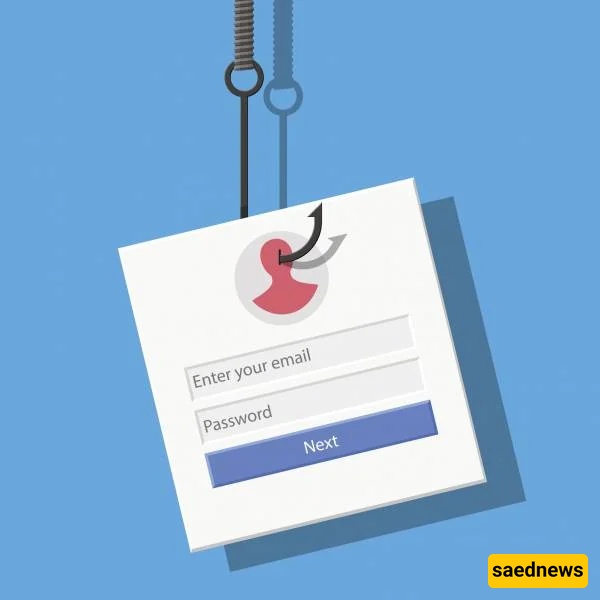
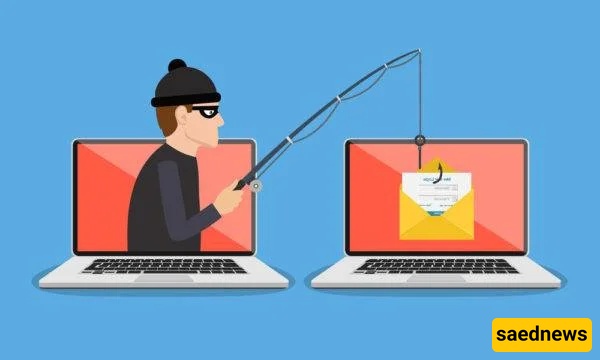
However, there are always individuals who take advantage of such conveniences and attempt to scam or steal from people using various methods. One of the methods they use is obtaining banking and personal information through deceptive techniques. This type of cyberattack is known as phishing.
People who carry out phishing attacks are commonly called phishers, while the overall process is referred to as phishing.
Phishing is a malicious technique in which criminals attempt to obtain your banking or personal information through different deceptive methods. These attacks have become increasingly common in recent years. Despite numerous warnings from the media and cybersecurity organizations, many people still fall victim to phishing scams.
For this reason, it is important to understand what phishing is, how it works, the different types of phishing, and how you can protect yourself.
As mentioned above, phishing is a modern form of fraud in which criminals use various techniques to gain access to your personal information and then attempt to exploit it. Common types of phishing include:
Bank card phishing
Fake payment gateway phishing
Phone phishing
SMS phishing
Account phishing, targeting services such as Gmail, Yahoo, Facebook, Instagram, WhatsApp, and other online platforms
There are many ways in which phishers can attempt to steal your information. Because their methods are often designed to look legitimate, it can be surprisingly easy to fall into their traps.
Some of the most common phishing techniques include:
Many phishers use links that appear legitimate and do not immediately look suspicious. These links may be distributed through social media, malicious emails, promotional text messages, websites, and other platforms.
Clicking such a link may either download malicious software without your knowledge or redirect you to a completely fake website. These fraudulent pages can be designed to look almost identical to legitimate websites.
Phishers may create professional-looking websites that imitate legitimate businesses or online stores. They may advertise attractive products at unusually low prices to convince visitors to make a purchase.
After entering the website and making a payment, victims may unknowingly provide their banking or personal information to the attackers.
A basic rule of online security is to avoid clicking unknown links whenever possible. Shortened URLs can hide the actual destination of a link, making it difficult to determine whether the website is trustworthy.
For this reason, avoid opening unknown or shortened links unless they come from a source you know and trust.
Sometimes attackers obtain email addresses belonging to customers of a particular company. They may then send messages from addresses designed to resemble the legitimate company's email address.
These emails can contain links leading to fake websites that are designed to steal login credentials, banking details, or other sensitive information.
Always check the sender's email address carefully before clicking links or providing any personal information.
You should never provide sensitive personal information through an unsolicited phone call or text message. This includes banking credentials, passwords, identification details, and other sensitive information.
Legitimate organizations generally have established procedures for handling sensitive information and will not normally ask you to disclose confidential banking credentials through an unexpected phone call or text message.
If someone contacts you claiming to represent a bank, government organization, or other institution, verify their identity independently using an official website or trusted contact information.
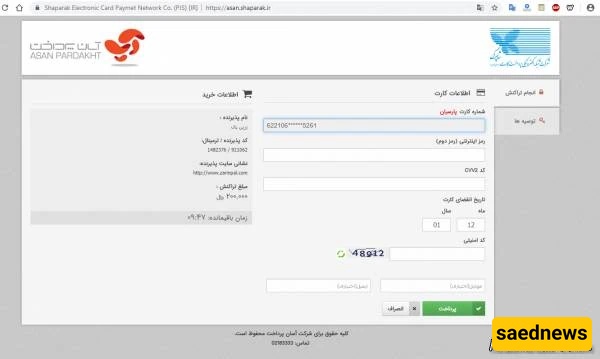
One of the common ways online criminals attempt to steal banking information is through fake payment pages. Although awareness and security measures have reduced many such scams, fraudulent payment pages remain a serious threat.
Learning how to identify a legitimate payment page is therefore an important part of safe online shopping.
HTTP and HTTPS are protocols used for communication between your browser and a website.
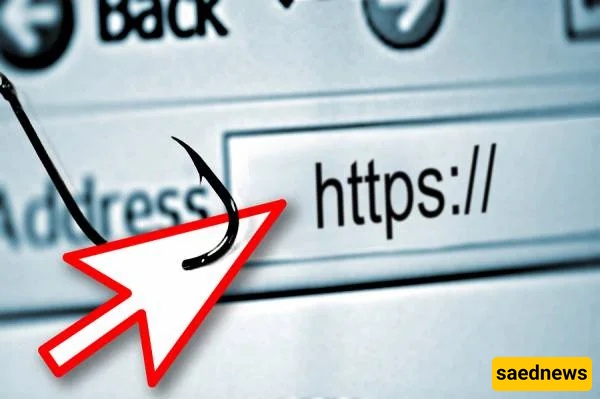
HTTPS encrypts the connection between your browser and the website, helping protect information while it is being transmitted. HTTP does not provide the same encryption.
However, HTTPS alone does not prove that a website is legitimate. A phishing website can also use HTTPS and obtain a valid security certificate.
Therefore, you should never assume that a payment page is safe simply because it begins with https://.
Professional phishers can create fake websites that use HTTPS and look almost identical to legitimate payment pages.
This is why you should carefully examine the entire URL before entering your banking information.
For example, an address such as:
https://bpm.shapaark.com
may look convincing at first glance, but the actual domain is shapaark.com, not the legitimate payment service you may have intended to visit.
Always check the domain name character by character and make sure it belongs to the official organization or payment provider.
Phishing is one of the most common forms of online fraud, and attackers continually develop new ways to make fraudulent websites, emails, messages, and payment pages appear legitimate.
To protect yourself, shop through reputable websites, avoid suspicious links, verify website addresses carefully, and never provide sensitive banking or login information in response to unexpected messages or calls.
Most importantly, remember that HTTPS indicates an encrypted connection—it does not guarantee that the website itself is trustworthy. Taking a few extra seconds to verify a website can help prevent significant financial and personal losses.