SAEDNEWS: Ghormeh Gheymeh is one of the most traditional Iranian stews, but sometimes its flavor can become unexpectedly sweet. In this article, we explore the reasons behind overly sweet Ghormeh Gheymeh and discuss both quick fixes and proper methods for restoring its balanced, savory flavor.

According to Saednews, Khoresh Gheymeh is one of the most traditional and popular Persian stews. It has a balanced flavor profile that combines tartness, saltiness, richness, and a subtle sweet-and-sour note. This classic Iranian dish is typically made with split peas, stewing meat, fried onions, tomato paste, and dried Persian limes (limoo omani). Its distinctive taste comes from the delicate balance between these ingredients.
Sometimes, however, that balance can be disrupted, causing the stew to become noticeably sweet. If your Khoresh Gheymeh has turned out sweeter than expected, there are several ways to bring its flavor back into balance. Here are the most common causes and practical methods for correcting the sweetness.
Before trying to fix an overly sweet stew, it helps to identify what caused the sweetness in the first place. Usually, one or more specific ingredients are responsible.
Not every dried Persian lime sold in stores has a strongly sour flavor. Some lighter-colored or broken limes can have a mild or even slightly sweet taste. If these are used in Khoresh Gheymeh, they may add sweetness instead of the desired tartness.
This is one of the most common reasons the stew can taste too sweet.
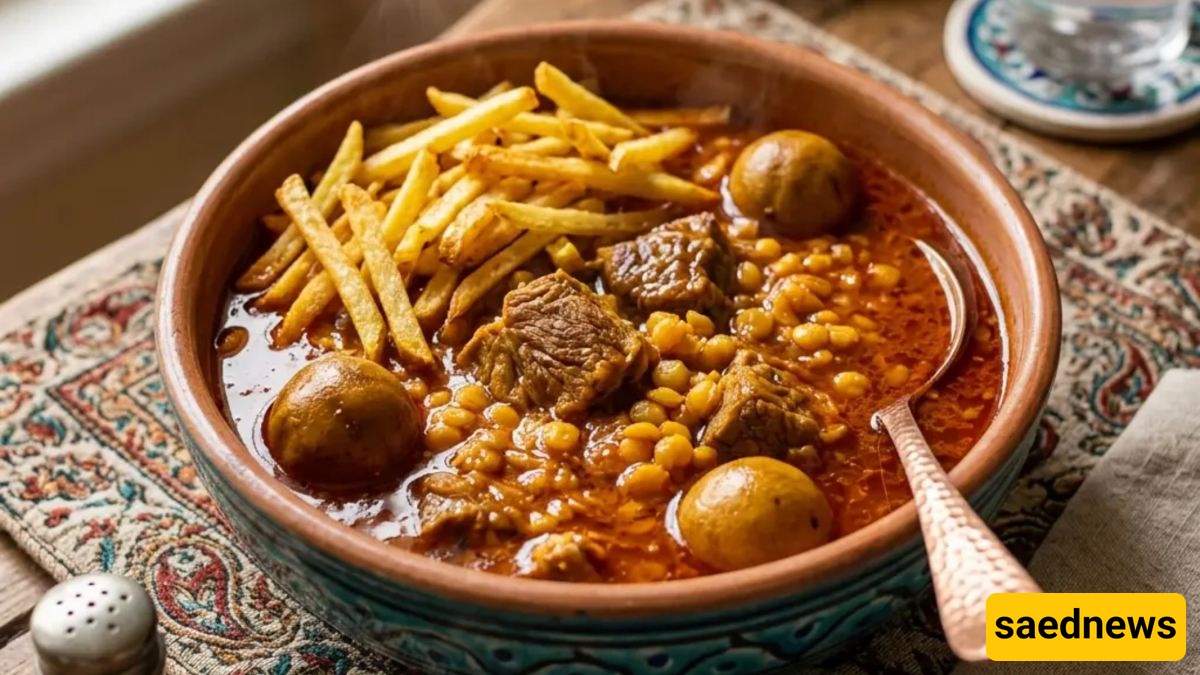
Some commercially produced tomato pastes contain added sugar. Using more tomato paste than necessary can also intensify the natural sweetness of the tomatoes and shift the overall flavor of the stew toward sweetness.
Tomato paste should generally be sautéed well in oil before being added to the stew. This helps develop its color and flavor, but the quantity should still be kept under control.
Frying onions until they become very dark and deeply caramelized can add considerable sweetness to the stew. For Khoresh Gheymeh, the onions are usually best fried until golden and translucent rather than dark brown.
Very dark fried onions can also alter the stew's color and introduce an overly sweet or slightly burnt flavor.
Fried potatoes are an important part of Khoresh Gheymeh, but using too many or frying them excessively can contribute a mild sweetness. Likewise, if potatoes are left simmering in the stew for too long, their starch can be released and make the overall flavor seem sweeter and heavier.
Once you know what caused the sweetness, you can choose one or combine several of the following methods depending on how strong the problem is.
The fastest and most effective way to counter excessive sweetness is to introduce natural acidity.
Add fresh lemon juice, sour grape juice (abghooreh), or bitter orange juice gradually. Add a small amount, stir well, wait a few minutes, and then taste the stew before adding more.
Adding too much at once can make the stew excessively sour and create a new flavor imbalance.
If the dried limes already in the stew taste sweet, remove them and replace them with several fresh, sour dried Persian limes.
Piercing the limes with a knife before adding them allows their flavor to infuse the stew more effectively. They will add both acidity and the characteristic aroma associated with Khoresh Gheymeh.
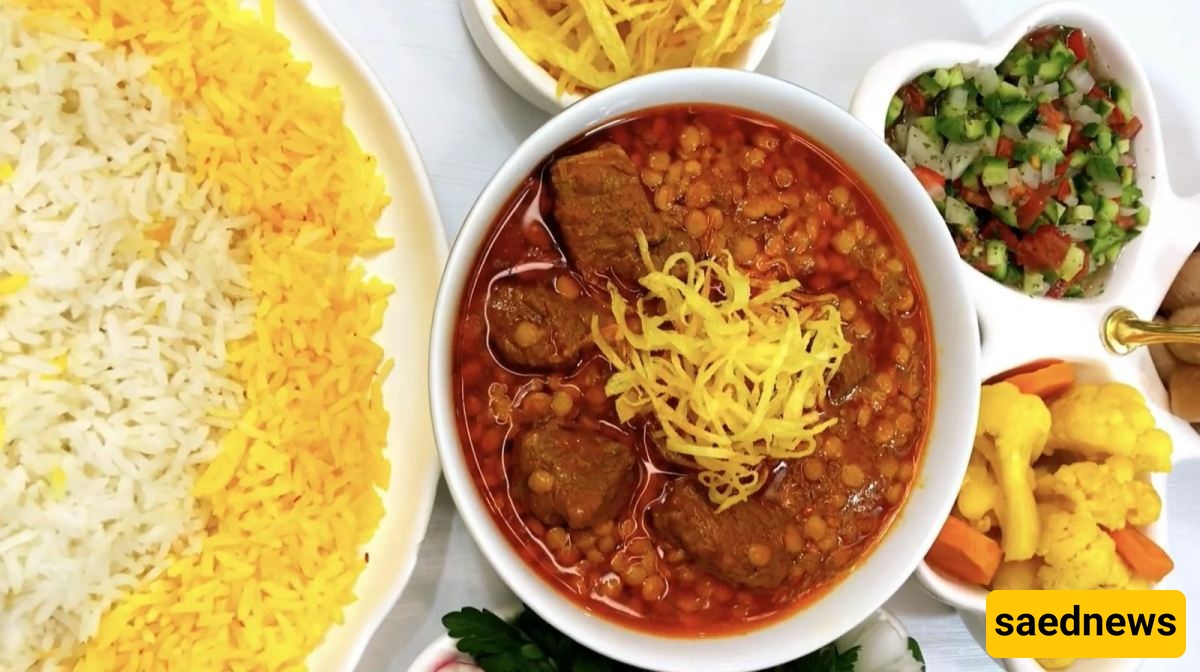
Sauté a small amount of tomato paste separately in oil until its color deepens and its raw flavor disappears, then add it to the stew.
Tomato paste contributes color and acidity and can help bring the overall flavor back toward balance. However, too much can significantly change the character of the stew.
A small amount of dried herbs, such as dried mint or tarragon, can help balance the perception of sweetness while adding more aroma and complexity.
Dried mint is particularly suitable for Persian stews and can complement the existing flavors of Khoresh Gheymeh.
If the stew is also under-seasoned, adding a small amount of salt can help make the sweetness less prominent.
Add it gradually and taste as you go. Too much salt will not solve the problem and can simply make the stew unpleasantly salty.
If the sweetness has become concentrated because too much liquid has evaporated, adding a little hot water can reduce the concentration of the sweet flavors.
Allow the stew to simmer for several minutes afterward. Using hot rather than cold water helps prevent a sudden drop in temperature.
If the stew has become excessively sweet, you can fry a few additional potatoes and add them to the pot.
This increases the overall volume of the stew and can help soften the intensity of the existing flavors. It can be especially useful when preparing a larger quantity for guests.
Cooked split peas can also help bring the flavor into balance. If the stew contains relatively few split peas, adding some extra cooked peas can increase its volume, improve its texture, and make the sweetness less dominant.
If the sweetness comes from a large amount of added sugar, removing it completely can be difficult. However, natural acidic ingredients and careful dilution can significantly reduce the sweetness and restore a more balanced flavor.
Generally, no. The flavor of Khoresh Gheymeh is better balanced using ingredients such as fresh lemon juice, sour dried Persian limes, and tomato paste rather than adding sugar.
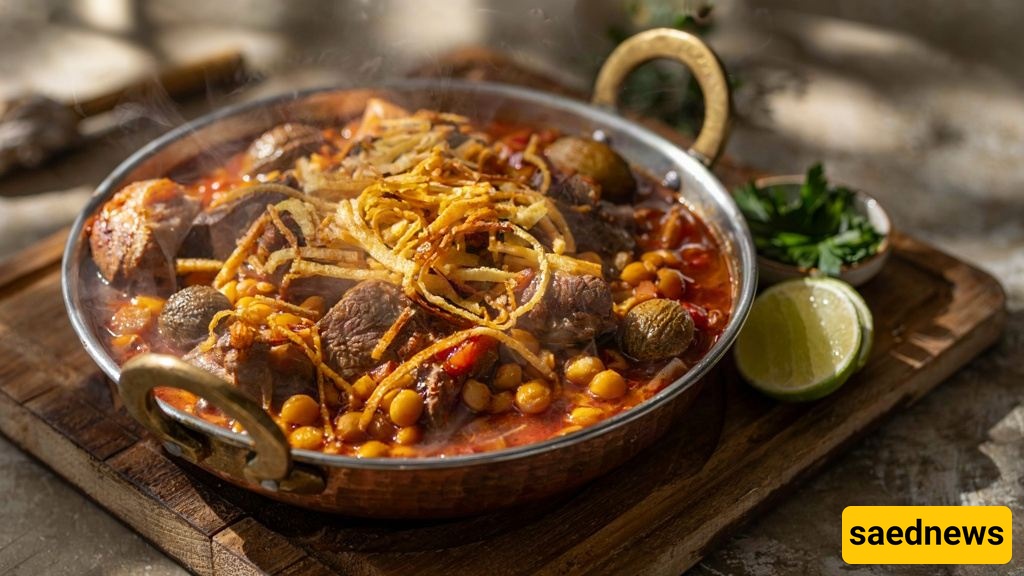
Fresh lemon juice and naturally sour dried Persian limes are among the most suitable choices. Sour grape juice (abghooreh) is another good alternative.
When correcting an overly sweet Khoresh Gheymeh, make changes gradually. Start with a small amount of lemon juice or another souring ingredient, taste the stew, and adjust step by step. The goal is not simply to eliminate sweetness, but to restore the traditional balance between sour, savory, rich, and mildly sweet flavors.