SAEDNEWS: Halloumi cheese is one of the most traditional and well-known Mediterranean cheeses, widely enjoyed in countries such as Cyprus, Greece, and Turkey. Known for its distinctive flavor, firm texture, and ability to be grilled or fried at high temperatures without melting, halloumi has become popular around the world.
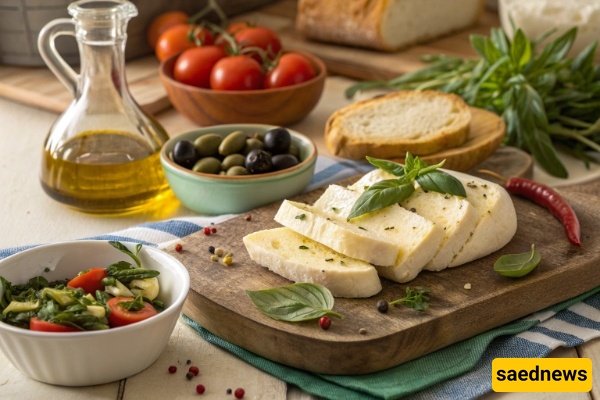
According to Saednews, Halloumi cheese holds a special place in Mediterranean cuisine and is also popular among people following vegetarian and health-conscious diets. Thanks to its rich nutritional profile, including protein, calcium, and other essential nutrients, it can be a valuable part of a balanced diet. This article introduces halloumi cheese, explores its nutritional properties and potential benefits, explains how it is made, and provides practical tips for enjoying and storing it.
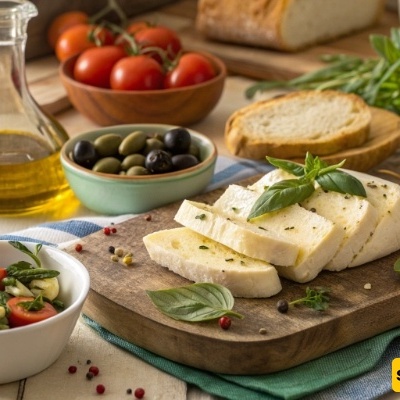
Halloumi, also known as grilled cheese, is a semi-hard cheese that originated in Cyprus. It is traditionally made from sheep’s milk, goat’s milk, cow’s milk, or a combination of these. Because of its distinctive production process, halloumi can maintain its shape even when grilled or fried.
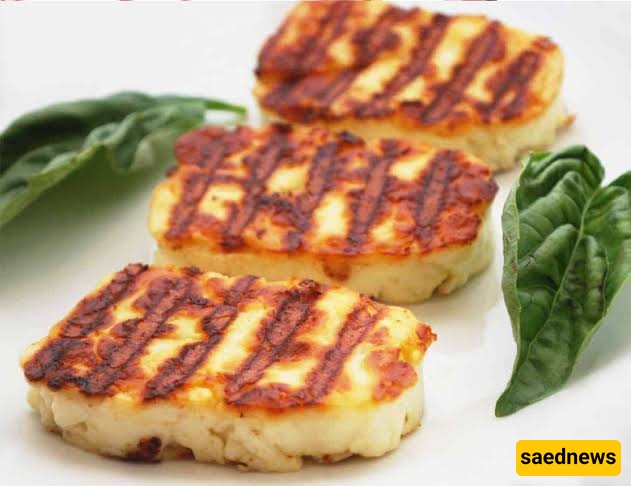
Halloumi generally has a mildly salty flavor and is particularly valued for its ability to withstand high temperatures. Unlike many cheeses that melt when heated, halloumi remains firm when grilled or fried, developing a golden exterior while retaining its characteristic texture.
Although halloumi was traditionally produced in Cyprus, it is now widely made and consumed across Mediterranean and Middle Eastern countries. It is commonly used in salads, sandwiches, grilled dishes, vegetable meals, and a variety of main courses.
Main ingredients: Cow’s milk, sheep’s milk, goat’s milk, or a combination
Texture: Firm and semi-hard
Flavor: Salty with a mildly tangy taste
Heat resistance: Can be grilled or fried without melting
Culinary uses: Suitable for salads, sandwiches, grilled dishes, and vegetable-based meals

Halloumi is available in several varieties. They can differ in their milk composition, salt content, texture, and suitability for cooking.
Traditional halloumi is mainly made from sheep’s and goat’s milk. It has a stronger, saltier flavor and a firm, dense texture. Because it holds its shape particularly well when exposed to heat, it is an excellent choice for grilling or frying.
This variety combines cow’s and sheep’s milk and is widely available in international markets. Its flavor is generally milder than traditional halloumi, and it may contain less salt. It can be a good option for people who prefer a more delicate cheese flavor.
Reduced-salt halloumi contains less sodium than standard varieties and may be more suitable for people who need to monitor their salt intake. Some products are also available in lower-fat versions.
Some halloumi products are specifically formulated for grilling or frying. They typically have a firmer texture that allows them to withstand high temperatures while retaining their shape.
In addition to its distinctive flavor and texture, halloumi provides several important nutrients. It contains protein, calcium, phosphorus, and vitamins that can contribute to bone health, muscle function, and overall nutrition.
Although halloumi is relatively high in calories and fat, consuming it in moderation can allow it to fit into a balanced daily diet. It is low in dietary fiber but provides protein and fat, which can contribute to energy intake.
Because of its protein content, halloumi can be a convenient food for active individuals, athletes, vegetarians, and people looking to include more protein in their diet.
Nutrient | Approximate amount |
|---|---|
Energy | 320 kcal |
Protein | 22 g |
Fat | 25 g |
Carbohydrates | 2 g |
Sodium | 1,100 mg |
Calcium | 740 mg |
Phosphorus | 400 mg |
Vitamin B12 | 1.5 mcg |
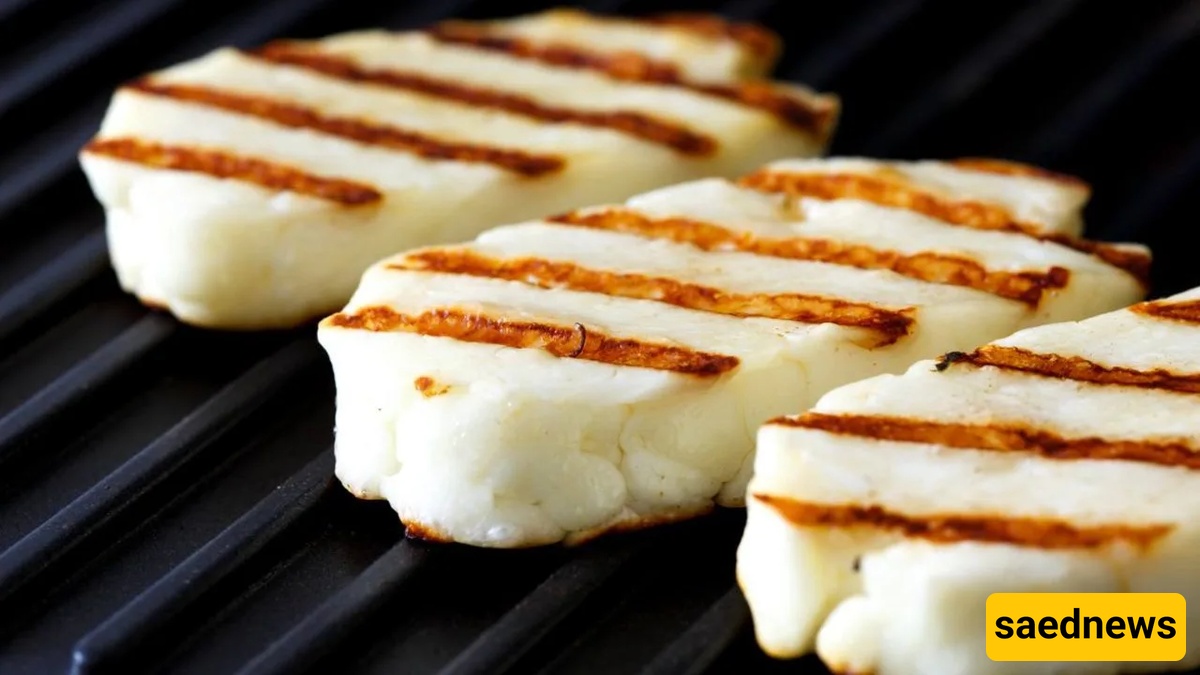
Halloumi can be produced at home using fresh cow’s milk, sheep’s milk, goat’s milk, or a combination. The milk is first heated and combined with salt and rennet to form curds. The curds are then pressed into molds.
After pressing, the cheese is traditionally placed in a saltwater brine, where it develops its characteristic flavor and texture. This traditional production process is also responsible for halloumi’s ability to withstand grilling and frying without melting.
Halloumi contains several nutrients, including protein, calcium, phosphorus, and vitamin B12. These nutrients can contribute to normal bone health, muscle function, energy metabolism, and overall nutritional intake.
The calcium and phosphorus found in halloumi contribute to maintaining healthy bones and teeth. Including calcium-rich foods in a balanced diet is important throughout childhood, adolescence, adulthood, and later life.
Halloumi is relatively rich in protein, which is needed for maintaining and repairing body tissues and supporting normal muscle function. Its combination of protein and fat also provides energy, making it a convenient option for active individuals.
Calcium and phosphorus play important roles in normal physiological processes, including muscle function and energy metabolism. Halloumi can contribute to overall dietary intake of these nutrients.
Halloumi contains vitamin B12, a nutrient involved in normal red blood cell formation, neurological function, and energy metabolism. Dairy products can be one dietary source of this vitamin.
Halloumi can contain a considerable amount of sodium because it is commonly preserved in brine. For this reason, portion size is important, particularly for people who are limiting their sodium intake. Pairing halloumi with vegetables, whole grains, and other minimally processed foods can help create a more balanced meal.
Because of its firm texture and resistance to heat, halloumi is highly versatile in the kitchen. It can be grilled, pan-fried, or incorporated into salads, sandwiches, vegetable dishes, and appetizers.
Slice halloumi and cook it on a grill or in a frying pan with a small amount of oil until the surface becomes golden and lightly crisp.
Adding grilled halloumi to salads increases their protein content and provides a satisfying, chewy texture. It pairs particularly well with tomatoes, cucumbers, leafy greens, olives, and fresh herbs.
Grilled halloumi can be used as a vegetarian alternative to meat or as an additional cheese component in sandwiches and burgers.
Halloumi works well with both fresh and roasted vegetables. Combining it with peppers, zucchini, tomatoes, eggplant, or leafy greens can create a flavorful and nutritious meal.
The salty flavor of halloumi contrasts particularly well with sweet fruits such as watermelon, figs, grapes, and peaches. This combination makes an appealing appetizer or light meal.
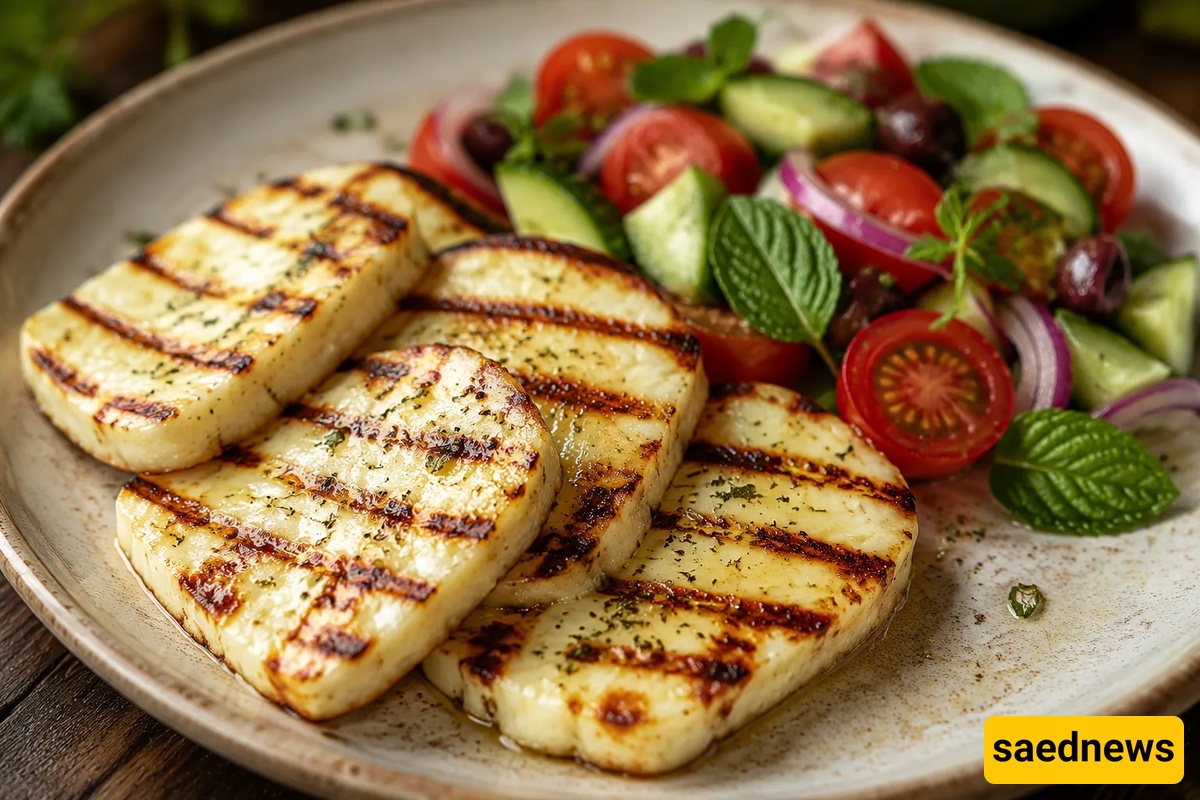
Avoid prolonged exposure to direct, high heat to prevent the cheese from becoming excessively tough.
Store halloumi in the refrigerator and keep it properly sealed to maintain freshness.
Because it can be high in sodium and calories, enjoy halloumi in moderate portions.
Pair it with vegetables, legumes, whole grains, or fresh fruit for a more balanced meal.
If the cheese tastes particularly salty, rinsing or briefly soaking it before cooking may help reduce some of the surface salt.
Halloumi is a distinctive Mediterranean cheese known for its firm texture, salty flavor, and unusual ability to withstand grilling and frying without melting. Its protein, calcium, phosphorus, and vitamin B12 content can make it a useful addition to a balanced diet. From salads and sandwiches to vegetable dishes and fruit-based appetizers, halloumi offers numerous ways to add flavor and texture to everyday meals. Because it can also be relatively high in fat and sodium, moderation and balanced meal combinations are important.