SAEDNEWS: Muesli is a simple and nutritious food made from raw oats, nuts, seeds, dried fruits, and sometimes milk or yogurt.
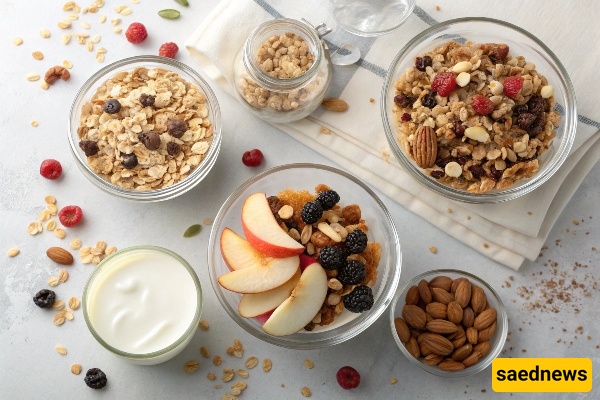
According to Saednews, As healthy living becomes increasingly popular, greater attention is being paid to daily nutrition. Choosing foods that are not only easy to prepare but also rich in essential nutrients has become a major priority for many people. Among these options, muesli has gained considerable popularity as a healthy, light, and nutritious breakfast. This simple combination of oats, dried fruit, and nuts provides energy for the day while also supporting overall health.
Originally associated with Central Europe, muesli is particularly popular in Switzerland and Germany. In recent decades, it has become a common breakfast and snack choice for families around the world.
Traditional muesli is generally prepared without added sugar or oil, which distinguishes it from many commercial breakfast cereals. Unlike many similar products, traditional muesli is not baked or heavily processed, helping it retain much of its nutritional value.
Common ingredients in muesli include:
Raw or lightly processed rolled oats
Dried fruits such as raisins, dried apricots, cranberries, or dates
Nuts such as almonds, walnuts, hazelnuts, or sunflower seeds
Seeds such as basil seeds, chia seeds, or sesame seeds
Milk, yogurt, or fruit juice, sometimes used for serving
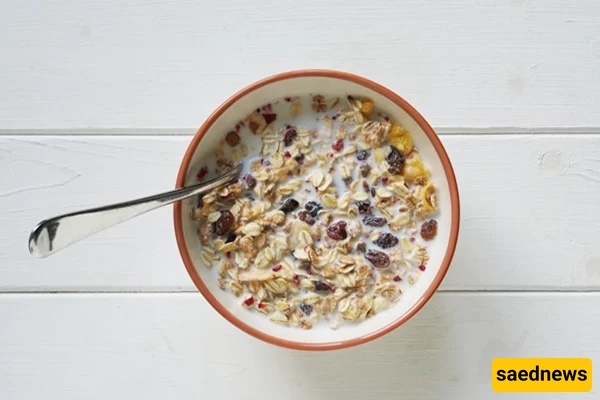
Muesli is often soaked in milk or yogurt to soften the texture of the oats. It is a quick and healthy breakfast option, and its combination of sustained energy and relatively low glycemic impact can also make it a suitable snack during the day.
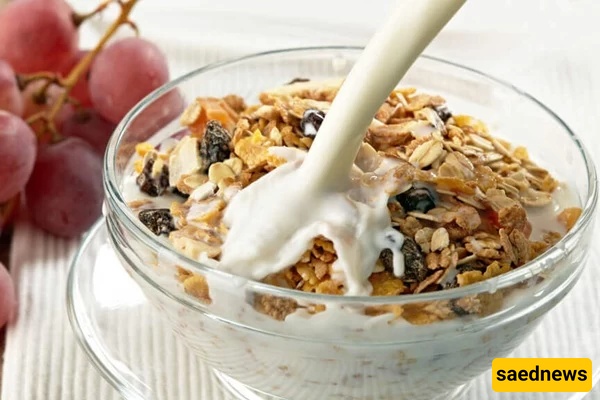
Muesli is a light yet nutrient-dense meal that can provide a range of nutritional benefits. Its combination of fiber, vitamins, minerals, protein, and healthy fats makes it a valuable choice for a balanced diet. Because its ingredients can be varied, muesli can also be adapted for both adults and children.
Muesli can be rich in both soluble and insoluble fiber. The insoluble fiber found in oats and dried fruit adds bulk to stool and helps promote regular bowel movements, which may help prevent constipation and support digestive health.
Soluble fiber can form a gel-like substance in the digestive tract, slowing the absorption of sugars and fats while supporting beneficial gut bacteria. This may contribute to maintaining a healthy gut microbiome.
Oats are a rich source of beta-glucan, a type of soluble fiber that can help reduce LDL, often referred to as “bad” cholesterol. Lower LDL levels may reduce the risk of fatty plaque buildup in the arteries.
Nuts such as almonds and walnuts also contain unsaturated fats, which can contribute to cardiovascular health when included as part of a balanced diet.
Muesli made primarily from whole grains, nuts, seeds, and unsweetened dried or fresh fruit can have a relatively low glycemic impact compared with many sugary breakfast cereals. This can help promote a more gradual rise in blood glucose.
The protein and healthy fats found in nuts and seeds can also increase satiety, potentially helping reduce the desire for less nutritious snacks.
Muesli can combine complex carbohydrates, plant-based protein, and healthy fats in a single meal. When served with milk or yogurt, it can also provide additional protein.
This nutritional balance can help provide sustained energy and may support concentration and mental performance throughout the day. For this reason, muesli can be a convenient breakfast or pre-workout meal for active people.
Nuts such as walnuts and almonds, along with seeds such as chia seeds, provide healthy unsaturated fats, including omega-3 fatty acids in the case of certain ingredients.
These nutrients can support cardiovascular health as part of an overall balanced diet. Regular consumption of nuts and seeds has been associated with better heart health.
The high fiber content of many muesli recipes can help you feel full for longer, potentially reducing the desire to eat high-calorie snacks between meals.
Complex carbohydrates can also provide a steady source of energy. For people trying to manage their weight, muesli paired with low-fat or plain yogurt and fresh fruit can make a nutritious and satisfying breakfast.
Muesli can provide several micronutrients involved in normal immune function. Zinc and selenium, found in various seeds and nuts, contribute to the proper functioning of the immune system.
Vitamin E, an antioxidant found in many nuts and seeds, helps protect cells from oxidative stress and contributes to normal immune function.
The B vitamins, zinc, and beneficial fatty acids found in ingredients commonly used in muesli can contribute to healthy skin and hair.
Biotin, also known as vitamin B7, is particularly important for normal hair and skin health, while adequate intake of essential nutrients supports healthy nails as well.
One of the advantages of muesli is its flexibility. It can be customized for different dietary preferences, including vegetarian, vegan, gluten-free, or high-protein diets.
For example, plant-based milk such as almond or soy milk can be used instead of dairy milk, making muesli suitable for people who avoid lactose.
To get the most nutritional value from muesli, choose varieties that are low in added sugar and free from unnecessary artificial additives. Adding fresh fruits such as strawberries, blueberries, or bananas can further increase the meal's nutritional value.
Overall, muesli can be a convenient and versatile breakfast option. By choosing whole-food ingredients and keeping added sugars to a minimum, it can provide fiber, healthy fats, protein, vitamins, and minerals while helping you start the day with a satisfying and nutrient-rich meal.