SAEDNEWS: At first, leaving a store, factory, or commercial building door open may seem harmless. But when it happens hundreds or thousands of times a day, the impact can become significant.
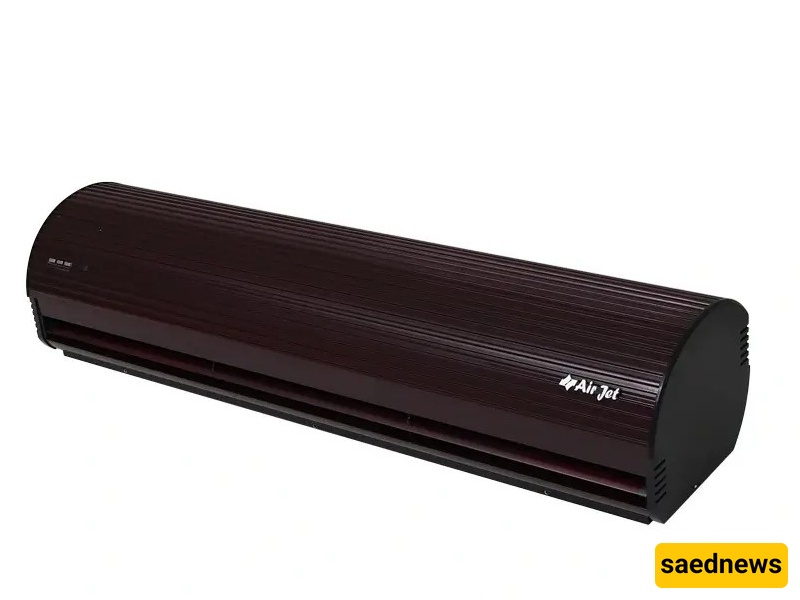
According to Saednews, At first glance, leaving the entrance of a store, factory, or commercial building open may not seem like a significant issue. People enter and leave, the door closes again, and daily activities continue as usual. However, when this happens hundreds or even thousands of times a day, the impact can become much more noticeable.
Every time a large entrance door opens, air is exchanged between two environments with different conditions. During summer, warm outdoor air can enter a cooled interior, while in winter, cold air can move into a heated space. At busy entrances, this exchange may occur almost continuously.
Temperature changes are not the only concern. Dust, outdoor pollutants, insects, and changes in indoor air conditions can also enter through the same opening.
This is where a relatively simple but useful technology comes into play: the air curtain.
An air curtain creates a controlled stream of air across an entrance, helping reduce unwanted air exchange between indoor and outdoor spaces without physically blocking the movement of people, vehicles, or equipment.
When heating and cooling systems are designed, attention is usually given to walls, windows, insulation, and ventilation equipment. Frequently used entrance doors, however, present a different challenge.
A window can remain closed, a wall can be insulated, and many other air-transfer paths can be controlled. An entrance door in a busy store or factory, on the other hand, may need to open repeatedly throughout the day.
In some buildings, doors may even remain open for several hours.
As a result, the entrance can become one of the key areas where controlling air movement may influence indoor comfort and the overall performance of heating and cooling systems.
There are several ways to address this issue, including proper entrance design, automatic doors, and specialized airflow-control equipment. Air curtains are one solution that can be considered for these environments.
An air curtain is generally installed above a doorway and directs a continuous stream of air downward at a controlled speed and angle. This creates an invisible air barrier across the entrance and helps reduce direct mixing between the air on either side of the door.
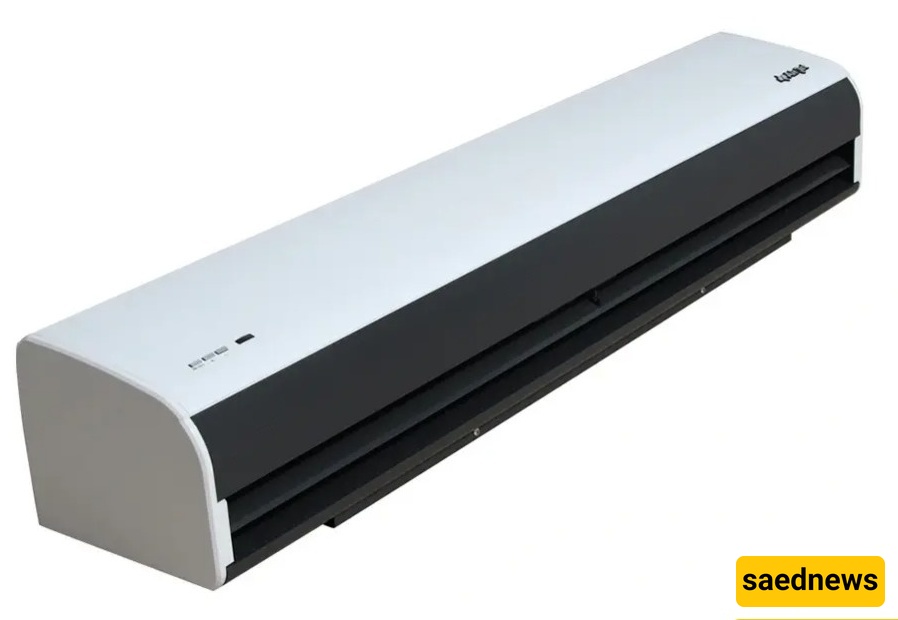
This means people can walk through the entrance without encountering a physical barrier, although they may notice the airflow as they pass underneath the unit.
However, this simple description should not make equipment selection seem straightforward. Actual performance depends on several factors, including door height and width, climate, temperature differences, surrounding air pressure, and traffic levels.
In other words, simply installing a unit above a doorway does not automatically guarantee effective performance.
Retail stores are among the most familiar applications for air curtains.
During business hours, entrance doors may open and close repeatedly. In shopping centers and high-traffic stores, the movement of customers can be almost continuous.
Under these conditions, maintaining a comfortable indoor temperature becomes increasingly important. Customers expect the interior environment to remain comfortable as they enter.
Appropriate equipment at the entrance can help reduce the effects associated with the direct entry of outdoor air.
However, an air curtain should not be expected to solve all of a building's energy-consumption problems by itself. Insulation, heating and cooling systems, door design, local climate, and building operation all contribute to the overall result.
An air curtain is best viewed as one component of a broader strategy for managing indoor environmental conditions.
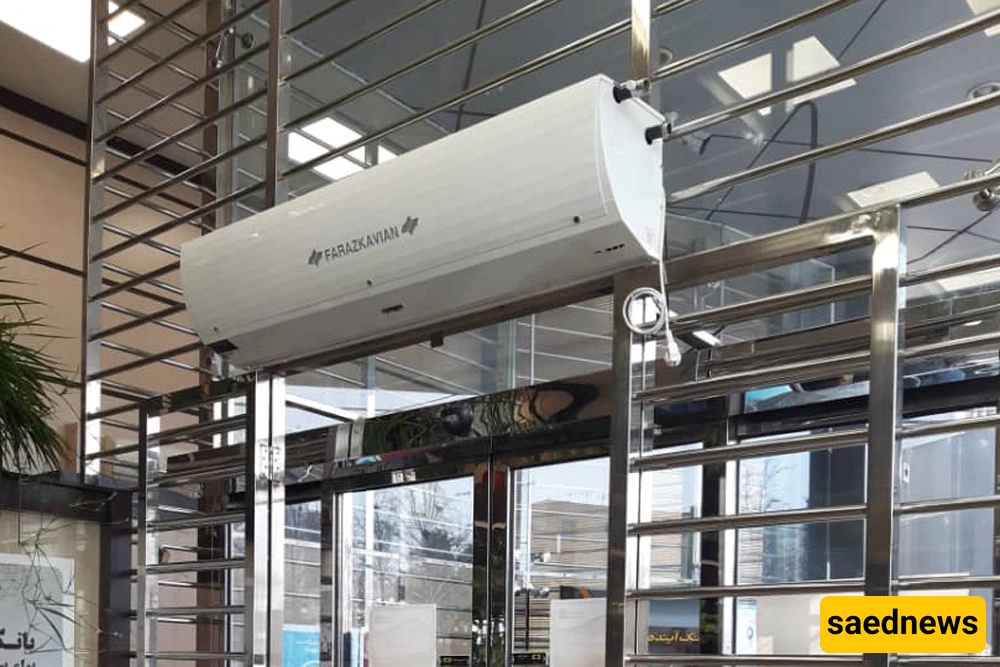
In industrial environments, open-door issues can become considerably more significant.
Production halls, warehouses, and logistics centers may have very large entrances that need to remain open frequently to allow forklifts, trucks, and other transport equipment to pass through.
Under these conditions, the volume of air moving through an entrance can be far greater than in a typical office building.
For this reason, equipment selection in industrial projects generally requires more careful evaluation.
Assessing the actual entrance conditions, selecting the appropriate capacity, and paying attention to installation requirements can all have a major impact on performance.
A lower purchase price may sometimes lead to higher long-term costs if the equipment does not perform effectively. On the other hand, choosing a unit with substantially more capacity than necessary is not necessarily an economical decision either.
The best starting point is not the product itself—it is the building entrance.
Before choosing a particular model or brand, several questions should be considered:
What are the width and height of the doorway?
How frequently is the door opened and closed during the day?
What is the building used for?
How large is the temperature difference between indoors and outdoors?
Is there significant wind or air pressure at the entrance?
Will the equipment be installed in a commercial, industrial, or public environment?
What are the installation conditions?
What level of control and additional features are required?
The most important point is that ventilation and airflow-control equipment should not be selected based solely on appearance or price. The right choice is one that matches the actual requirements of the building and works effectively alongside the other systems already in place.