SAEDNEWS: The red light usually indicates a rise in internal temperature or a component issue. Simple solutions can often fix the problem.
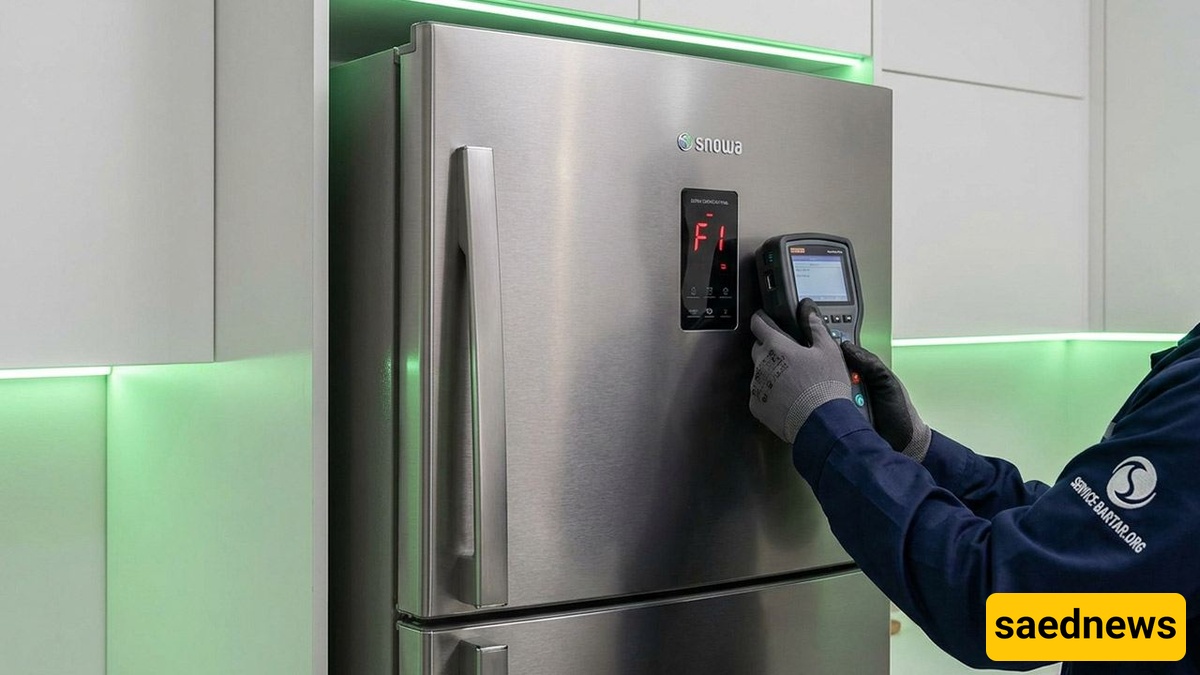
According to Saednews, Before anything else, it is important to know that the red light on Snowa refrigerators usually indicates a warning or an error. This light can appear for several reasons, ranging from simple issues to more complex technical problems. Below is a complete explanation of the possible causes, troubleshooting steps, and solutions.
A continuously illuminated red light usually indicates that the internal temperature of the refrigerator or freezer has increased beyond the normal range.
A flashing red light often points to a more serious problem, such as a faulty sensor, compressor issue, or electronic control board malfunction.
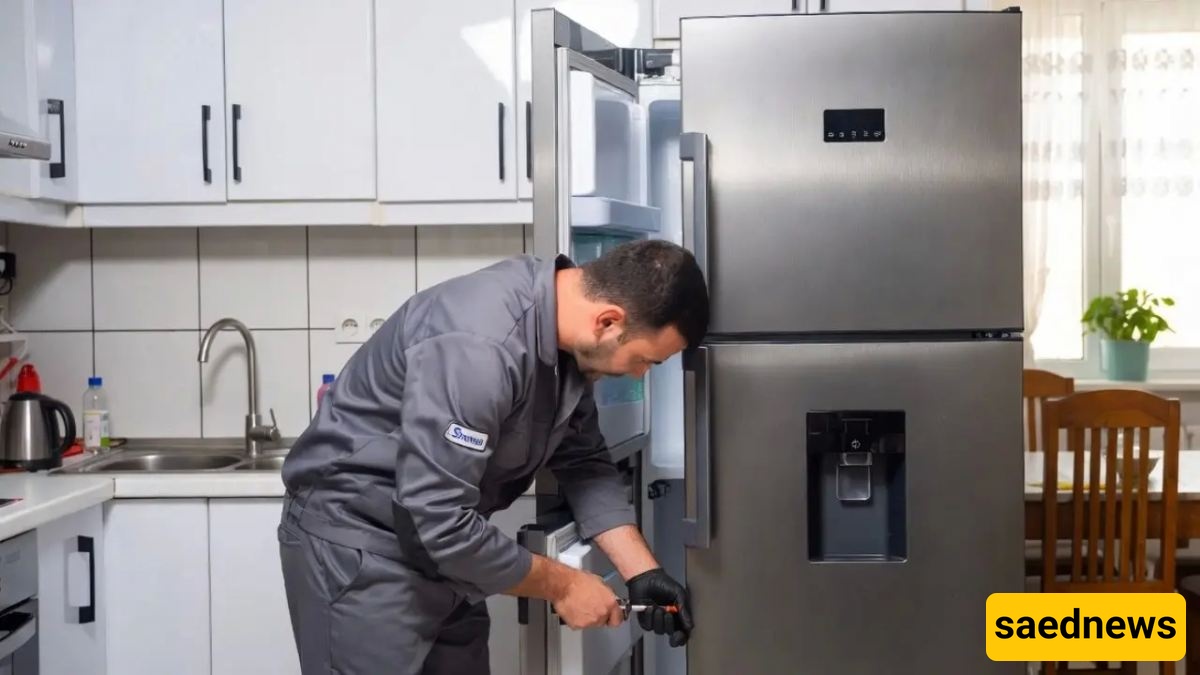
The most common reason for the red warning light is a rise in the temperature inside the refrigerator or freezer. This can happen due to several reasons:
The refrigerator door has been left open for a long time: Warm air enters the appliance, causing the internal temperature to rise.
Placing hot food inside the refrigerator: Hot meals can quickly increase the internal temperature.
Damaged door gasket: A worn-out or torn rubber seal allows cold air to escape and warm air to enter.
Blocked air circulation: Overloading the refrigerator or blocking air vents can prevent proper cold air distribution.
The temperature sensor is a critical component that measures the internal temperature and sends information to the main control board. If this sensor fails, it can trigger the red warning light.
Incorrect temperature readings on the display panel
Compressor running continuously without stopping
Food freezing inside the refrigerator compartment
Snowa refrigerators are generally equipped with an automatic defrost system. If this system fails, ice can build up on the evaporator and block airflow.
Defective defrost heater
Faulty defrost timer
Damaged defrost sensor
Blown thermal fuse
The compressor is the main component responsible for cooling. A malfunctioning compressor is considered one of the most serious refrigerator problems. If the compressor cannot operate properly, the refrigerator will not be able to produce enough cold air, causing the red warning light to appear.
Compressor does not operate or lacks normal operating sounds
Compressor becomes excessively hot
Compressor repeatedly starts and stops
Refrigerant gas (commonly known as Freon) plays an essential role in the cooling process. If the gas leaks, the refrigerator loses its ability to maintain proper cooling.
Gradual decrease in cooling performance
Compressor running constantly without turning off
Oil stains or greasy marks around the back of the refrigerator
The main control board manages different refrigerator functions. A damaged control board can activate the red warning light and cause overall performance problems.
The evaporator fan distributes cold air throughout the refrigerator and freezer compartments. If this fan stops working, cold air cannot reach different sections properly.
Step-by-Step Troubleshooting Guide for a Snowa Refrigerator
Make sure the door is completely closed and there is no gap allowing cold air to escape.
Verify the temperature settings on the control panel.
Recommended temperatures:
Refrigerator section: 3–5°C
Freezer section: -18°C
Ask yourself:
Have you placed hot food inside the refrigerator?
Are the air vents blocked by food items?
Place a thin piece of paper between the refrigerator door and the body.
Close the door.
Pull the paper out.
If the paper slides out easily, the door gasket may be worn out and should be replaced.
Disconnect the refrigerator from the power supply.
Open the freezer compartment.
Check whether excessive ice has accumulated on the evaporator.
A large amount of ice may indicate a defrost system failure.
Listen carefully to the compressor. Is it running?
Touch the compressor carefully (it may be hot). Check whether it is overheating.
If the compressor does not work or becomes extremely hot, it may require repair or replacement.
Inspect the back of the refrigerator:
Look for oil stains.
Check the pipes for corrosion or damage.
If cooling performance has gradually decreased, a refrigerant leak may be the cause.
Return the temperature settings to standard levels.
Remove unnecessary items and allow cold air to circulate freely.
If the rubber seal is damaged or worn, replace it.
Unplug the refrigerator for about 10 minutes, then reconnect it.
A qualified technician should replace faulty sensors.
This may involve replacing the defrost heater, timer, or sensor.
Compressor problems usually require professional repair or replacement.
This must be performed by a specialized technician.
Control board repairs require technical knowledge and specialized tools.
When Should You Contact a Refrigerator Technician?
You should call a professional repair technician if:
The red light remains on after basic troubleshooting.
The compressor does not work or produces unusual sounds.
The refrigerator does not produce any cooling.
You notice signs of refrigerant leakage.
You smell a burning odor from the refrigerator.
The red light continues flashing.
Preventive Tips to Avoid the Red Warning Light
Keep the refrigerator temperature between 3–5°C and the freezer at around -18°C.
Make sure the refrigerator door is fully closed after every use.
Allow food to cool before putting it into the refrigerator.
Organize items so that air vents remain open and cold air can circulate.
Clean the condenser coils at the back of the refrigerator every six months.
Check the door gasket once a year and replace it if necessary.
Have the refrigerator professionally serviced every 1–2 years to prevent major problems.
The red light on a Snowa refrigerator usually appears as a warning that the appliance has detected a temperature problem or a technical malfunction. Common causes include high internal temperature, faulty sensors, defrost system failure, compressor problems, refrigerant leakage, electronic board issues, or fan failure.
Simple checks such as adjusting temperature settings, checking the door seal, and restarting the refrigerator may solve minor issues. However, if the warning light continues, professional inspection is recommended to prevent further damage.