SAEDNEWS: There are various reasons for pain in the calf during walking. Stay with us to learn about the causes of this condition and ways to relieve and improve it.

According to Saednews, The benefits of walking in the treatment of knee osteoarthritis are well established. However, if after about five minutes of walking you experience pain or cramping in your calf muscles, or intermittent claudication (limping while walking), it may indicate that not enough blood is reaching your legs.
The leg muscles require a significant amount of blood during walking. If the arteries that supply blood to the legs become narrowed or blocked, they can no longer deliver sufficient blood flow. As a result, the calf muscles may become damaged, and pain can occur during walking.
There are several possible causes of calf pain while walking, including:
Tendinitis:
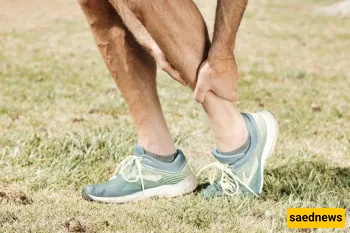
A condition caused by overuse, aging, or diseases such as diabetes or rheumatoid arthritis. Repetitive movements can irritate tendons or cause small tears, leading to pain, stiffness, and reduced range of motion.
Osteoarthritis:
A degenerative disorder that wears down the cartilage between joints. When it affects the hips or knees, walking and standing become painful due to bone friction, sometimes accompanied by a grinding sensation.
Bursitis:
Inflammation of fluid-filled sacs in the joints caused by injury, infection, or repetitive activity. Symptoms include pain, tenderness, swelling, and warmth.
Lumbar spinal stenosis:
A narrowing of the spinal canal in the lower back that compresses nerves going to the legs. It may cause pain, numbness, or cramping while walking.
Medial tibial stress syndrome (shin splints):
Common in runners and physically active people, causing pain along the inner lower leg due to repetitive stress or sudden increases in exercise intensity.
Stress fractures:
Tiny cracks in the bone caused by overuse or sudden increases in activity. Pain typically worsens with activity and improves with rest.
Osgood-Schlatter disease:
An overuse injury affecting growth areas of the tibia, mainly in adolescents, causing pain and swelling below the knee.
Achilles tendon rupture:
A partial or complete tear of the Achilles tendon, often causing severe pain and difficulty walking or pushing off the foot.
Peripheral artery disease (PAD):
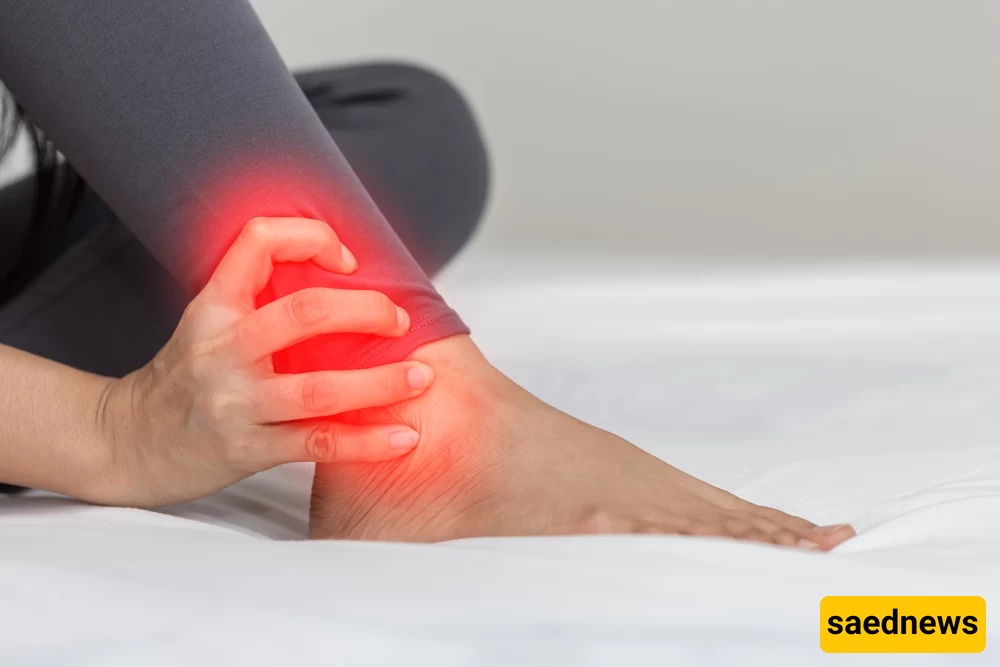
Narrowing of leg arteries due to fat buildup, reducing blood flow and causing pain, cramping, and numbness, especially during walking.
Blood clots:
A serious condition where clots block blood flow, leading to pain, swelling, redness, and warmth in the affected leg. This requires urgent medical attention.
Many people mistakenly believe calf pain is caused by calcium deficiency, but this is incorrect. A more common cause is inadequate warm-up before exercise. Starting walking without proper preparation can lead to muscle strain and pain.
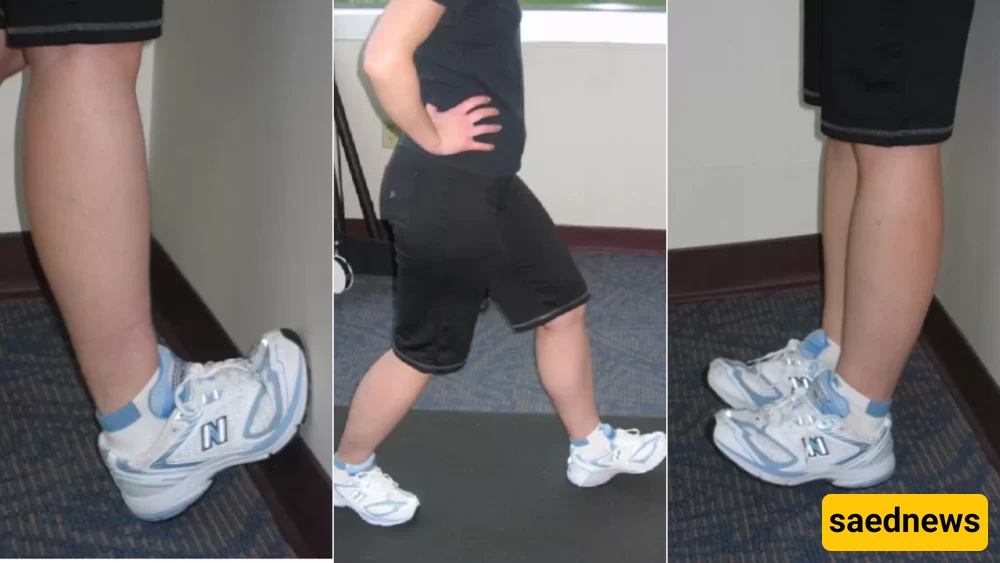
Warming up for 5–10 minutes and cooling down gradually after walking helps prevent injury. Increasing activity intensity gradually is also important to avoid muscle damage and lactic acid buildup.
If pain persists or is associated with symptoms such as limping, numbness, or severe cramping, medical evaluation may be necessary. In some cases, imaging tests like angiography are used to detect arterial blockages.
Treatment options may include medication, physical therapy, angioplasty with stents, or in severe cases, bypass surgery.
Rest and recovery
Proper warm-up and cool-down
Strengthening and stretching exercises
Wearing supportive footwear
Professional physical therapy when needed
Calf pain after walking can have many causes, ranging from mild muscle strain to serious vascular conditions, so persistent symptoms should not be ignored.